The Ultimate Guide to Buying a Sofa You Cannot Sit On: A Singaporean's Perspective
For many of us living in Singapore's vibrant urban landscape, from the high-rise condos of Punggol to the established HDB flats of Tampines and Bedok, the challenge of furnishing a home is uniquely local. We contend with limited square footage, strict HDB regulations, and the logistical puzzle of working through narrow corridors and lift dimensions. This reality often forces us into a frustrating predicament: finding the perfect sofa without ever being able to sit on it. Whether you're ordering from an international brand with a local showroom or a direct-to-consumer piece from a Foshan factory, the experience is common. The tactile sensation of the fabric, the firmness of the cushion, the exact angle of the backrest—all these elements remain a mystery until the delivery truck arrives. This guide will walk you through the precise, objective criteria you can assess remotely to make an informed decision, ensuring your new sofa fits your space, your style, and your lifestyle perfectly.
How Do You Know a Sofa is Comfortable Without Sitting on It?
The absence of a physical test doesn't mean you're left to pure guesswork. Comfort can be deconstructed into a series of measurable specifications. The key is to shift your focus from subjective feelings to objective data. Start by examining the sofa's core construction. A high-quality piece will have a detailed specification sheet outlining materials for the frame, cushions, and upholstery. For the frame, look for solid wood construction, such as kiln-dried oak or beech. These woods resist warping and provide a stable, durable base. Ask about the joinery methods; corner blocks, dowels, and screws are signs of a well-constructed frame that will last for years. For cushions, the density of the foam is a critical number. A seat cushion with a density of 1.8 kg/m³ or higher will offer better support and maintain its shape longer than one with a lower density. Similarly, inquire about the cushion filling. A mix of high-resilience foam and feathers (often in a ratio like 70:30) provides a balance of support and softness. The type of springs, if any, also matters. Zig-zag springs (Sinuous springs) are common in modern sofas and can offer good support if they are of a heavy gauge (8-9 gauge is typical for quality). By scrutinizing these numbers, you build a strong, evidence-based case for a sofa's comfort long before you ever sit on it.
Measuring Twice: The Singaporean Space Challenge
In Singapore, space is a premium commodity. A sofa that looks perfect online can quickly become a nightmare if it doesn't fit through your front door or into your living room. This is where meticulous measurement becomes your most powerful tool. You need to measure three distinct spaces: the sofa itself, your access points, and the intended placement area. For the sofa, get the exact dimensions in centimetres: width, depth, and height. Don't forget to measure the height of the sofa's arms and the backrest, as these can impact how it fits under a window or against a wall. For access points, measure the width and height of your main door, any internal doorways, and most importantly, the dimensions of your building's lift. In many older HDB blocks and condos, the internal lift dimensions are approximately 110cm x 110cm. A sofa with a width of 140cm will not fit. You should also measure the width of your corridor or hallway. A standard 3-room HDB flat might have a corridor width of about 100cm. A bulky, deep sofa will be nearly impossible to manoeuvre. For the placement area, measure the length and width of your living space. Consider the sofa's depth and ensure there is enough room to walk around it comfortably, at least 60cm of clearance on all sides. A good rule of thumb is to map out the sofa's footprint with painter's tape on your floor to visualise the space it will occupy. This process eliminates guesswork and ensures the sofa you buy is the one that will actually fit in your home.
Dissecting the Details: Fabric, Frame, and Finish
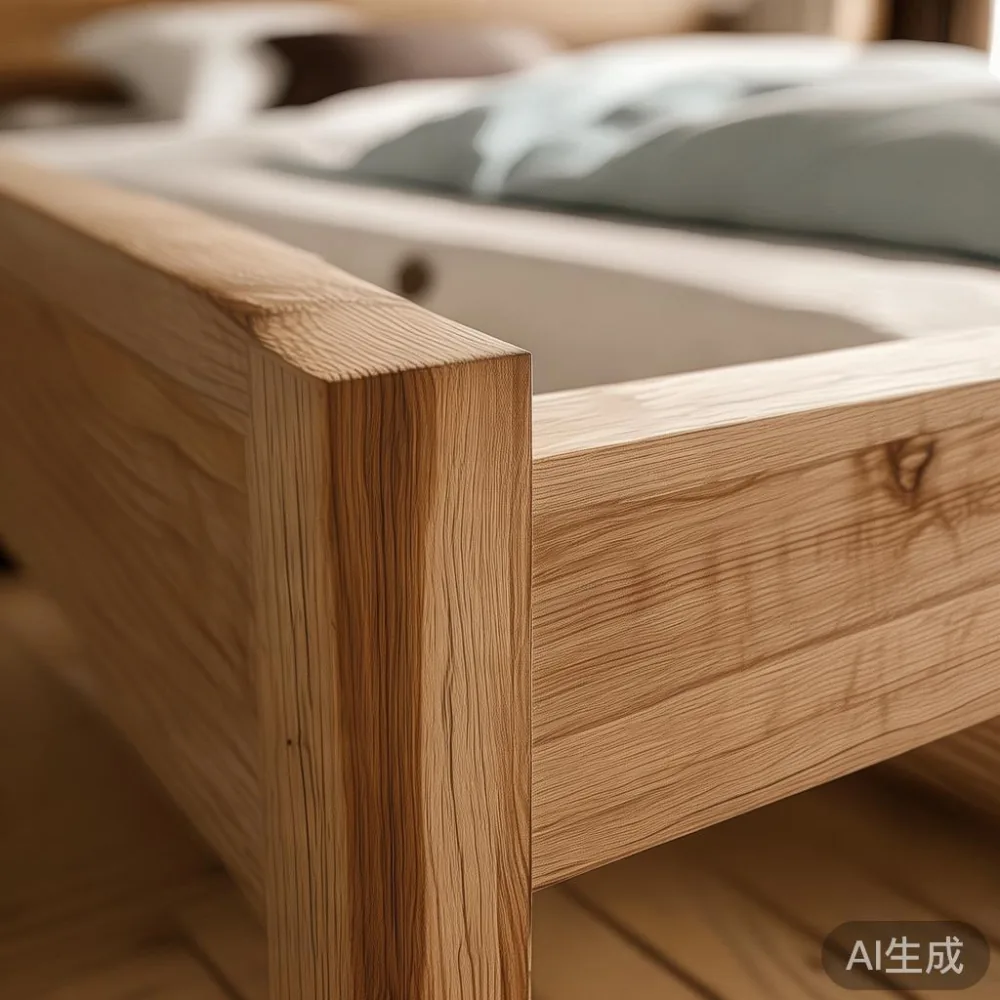
A sofa's aesthetic and durability are determined by its finer details. When buying online or from a catalogue, you must become a detective, examining every specification. Let's start with the upholstery. The fabric type is paramount. Linen offers a beautiful, natural texture but wrinkles easily. Cotton is soft and breathable but can be prone to staining. Microfiber is durable, stain-resistant, and easy to clean, making it a practical choice for homes with children or pets. Velvet provides a luxurious, soft feel but can show marks. Ask for the fabric's rub count (Martindale rub test). A count of 30,000 or higher is suitable for residential use and indicates good durability. For leather, determine the type; top-grain leather is the most durable, while bonded leather is a lower-cost, less durable option. Next, examine the frame. As mentioned, solid wood is the gold standard. Avoid sofas made with particleboard or MDF, as they lack the longevity of solid wood. The finish of the wood is also important. A light luxury aesthetic, like a French provincial style, often features a distressed white or cream finish with visible wood grain, creating an elegant, aged look. A post-modern light luxury approach might favour a darker, more monochromatic finish with clean lines. These choices will define the sofa's presence in your room and should align with the style of your other furniture, such as your dining table or bed frame.
Understanding the True Cost: Price, Warranty, and Logistics
The sticker price of a sofa is just one part of the total investment. A savvy buyer looks beyond the initial number to understand the full financial picture. In Singapore, the Goods and Services Tax (GST) of 9% is applied to the purchase price of all furniture, so ensure this is factored into your budget. However, the real costs often lie in delivery and potential future repairs. This is where a company's warranty policy becomes a critical factor of quality. A reputable manufacturer will stand behind their product. Look for a structural warranty of at least 5 to 10 years. This warranty covers the frame, springs, and other foundational components, protecting you from defects in materials or workmanship. A lifetime refinishing warranty is an even stronger indicator of quality, suggesting the manufacturer has so much confidence in their wood's durability that they will refinish it if it ever chips or fades. Delivery is another major consideration. In Singapore, a standard sofa delivery can cost between SGD 80 and SGD 200, depending on the size and location. Many brands offer free shipping for orders over a certain value, such as SGD 350, which can significantly reduce your cost. Also, consider the delivery time. A sofa coming from a Foshan factory might take 8 to 12 weeks to arrive in Singapore after ordering. Factor this timeline into your planning, especially if you are furnishing a new home. Understanding these details ensures you are not surprised by hidden costs and that your investment is protected for the long term.
Is It Possible to Find a Stylish Sofa Under $2000 in Singapore?
Absolutely. The idea that style and quality come with an exorbitant price tag is a common misconception. Singapore's market is diverse, offering a wide range of options that balance aesthetics with affordability. You can certainly find beautiful pieces under 2000 Rustic furniture or other styles that fit a modest budget. The key is knowing where to look and what to prioritise. For instance, a solid wood sofa from a direct-to-consumer brand like MIDHILL might offer exceptional value for money by cutting out the middleman. While the initial cost might seem similar to mass-market alternatives, the superior materials and construction mean you are getting a longer-lasting product. You might also consider a sofa with a simpler silhouette. Instead of a large, L-shaped sectional, a two or three-seater sofa with clean lines can make a significant impact without overwhelming a smaller space or your budget. Another strategy is to focus on timeless designs. A classic design, like a French provincial for apartment living, can transcend fleeting trends and remain stylish for years, offering better long-term value. By prioritising quality materials, a timeless design, and smart shopping, finding a stylish and durable sofa for under SGD 2,000 is not just possible, it's a very achievable goal for the discerning Singaporean homeowner.
Building a Cohesive Home: The Sofa as a Foundation
Your sofa is often the centrepiece of your living room, so it's important to consider how it will fit with your existing or future furniture. This is where thinking about your home's aesthetic becomes important. If you are aiming for a light luxury feel, you might choose a sofa with elegant proportions and fine upholstery. This style can be beautifully complemented by other pieces in your home. For example, a European light luxury for dining room set, featuring a sleek marble table and minimalist chairs, can create a sophisticated flow from your living area to your dining space. Similarly, a solid wood bed frame with a similar finish to your sofa legs can create a sense of unity across your bedroom and living room. When selecting your sofa, think about the other items in your home. The colour palette, the types of wood, and the level of ornamentation should all work in harmony. A post-modern light luxury sofa, with its geometric form and neutral tones, would pair well with a minimalist dining table and a wardrobe with simple, handle-less doors. By viewing the sofa not as an isolated purchase but as part of a larger whole, you can create a home that is not just furnished, but thoughtfully designed.
The Value of a Trusted Partner
Working through the world of online furniture purchases can be daunting, especially when you can't physically inspect the product. This is where the reputation and policies of the seller become invaluable. A company that has been established for a significant period, such as one founded in 2008, has likely refined its processes and built a track record of customer satisfaction. Look for brands that offer transparent policies that protect the buyer. A 10-year structural warranty is a strong commitment to quality, indicating the manufacturer believes in the durability of their product. A 14-day return policy provides a safety net, allowing you to change your mind if the sofa doesn't meet your expectations upon delivery. Free shipping over a certain amount, like SGD 350, is a practical benefit that simplifies the purchasing process. These policies are more than just marketing points; they are reflections of a company's confidence in its products and its respect for its customers. When you choose a supplier with these attributes, you are not just buying a piece of furniture; you are entering into a partnership with a brand that values quality and customer service, ensuring a smoother, more reliable experience from order to delivery.
Real-World Experience: A Test of Patience and Precision
My colleague recently went through the process of buying a large sofa for her new condo in Punggol without ever having sat on it. Her experience highlighted both the challenges and the rewards of a meticulous approach. She spent weeks researching online, narrowing her choices based on the exact criteria we've discussed. She measured her lift (120cm x 120cm), her doorways (85cm wide), and her living room area (450cm x 380cm) multiple times. She ultimately chose a sofa from a well-regarded brand, attracted by its solid oak frame and a 10-year warranty. The delivery was scheduled for 8 weeks later, and she anxiously awaited its arrival. When the sofa finally came, the delivery team confirmed it was 180cm wide—just 2cm too wide to fit through her main door. It was a heart-stopping moment. Fortunately, the sofa was designed with removable legs, and with them taken off, it slid through with a few centimetres to spare. This real-world test underscored the absolute importance of checking every single dimension, including removable parts. Her story is a powerful reminder that while buying a sofa you can't sit on requires a leap of faith, that faith is built on a foundation of precise measurements, thorough research, and choosing a partner with reliable policies and a proven track record of quality.
Looking Ahead: Trends and Timelessness
As we move into 2026, furniture trends continue to evolve, but the core principles of quality and fit remain constant. You might see articles about the best Scandinavian sofa for 2026, emphasising clean lines, sustainable materials, and a focus on comfort. While these trends can be inspiring, it's wise to choose a piece that will look good in your home for a decade, not just for the next year. Timeless designs, such as a classic chesterfield or a simple, well-proportioned two-seater, are often smarter long-term investments. They transcend trends and can be easily updated with cushions, throws, and rugs. When considering future trends, think about how a new sofa might interact with your existing bed frame or dining table. A bold, colourful sofa might clash with a more traditional bed frame style. Conversely, a neutral, understated sofa can complement a wide variety of other furniture pieces, giving you the flexibility to change other elements of your decor over time. The key is to balance a personal style preference with a consideration for longevity and versatility. By focusing on a well-constructed, well-fitting sofa in a timeless design, you create a foundation for your home that can adapt and evolve with you for years to come.
The Final Word on Sofa Shopping
Purchasing a sofa without sitting on it is a challenge that requires a methodical and detail-oriented approach. It forces you to rely on objective data rather than subjective impulse. By focusing on the sofa's construction—analysing the frame material, cushion density, and spring system—you can make a strong prediction about its comfort. By meticulously measuring the sofa, your access points, and your available space, you can eliminate the risk of a delivery disaster. By scrutinising the fabric, finish, and design, you can ensure the sofa will be a beautiful and fitting addition to your home. Finally, by understanding the total cost, including GST, delivery fees, and the value of a solid warranty, you can make a financially sound decision. This process transforms a leap of faith into a calculated choice, ensuring that when your new sofa finally arrives, it fits perfectly, feels right, and becomes a cherished part of your Singaporean home for many years to come.
Exploring Complementary Furniture for a Cohesive Look
Once you've secured the perfect sofa, the next step is to build a cohesive living space. Your choice of sofa sets a tone that other furniture pieces should complement. For instance, if you've opted for a French provincial for apartment living, you might look for a matching MIDHILL coffee table review that features similar elegant curves and a distressed finish. This creates a unified, harmonious look throughout your room. Consider how other elements will interact with your new sofa. A solid wood bed frame in the master bedroom with a wood tone that echoes the sofa's legs can create a subtle connection between the two most important rooms in your home. Similarly, the choice of a dining table should be considered. A European light luxury for dining room set, perhaps with a marble top and sleek lines, can provide a beautiful contrast to a more traditional sofa, creating an interesting and dynamic interior. By thoughtfully selecting complementary pieces, you create a home that feels intentional and well-designed, where every item, from the sofa to the nightstand, works together to create a space that is both functional and beautiful.