How to Read a Furniture Warranty Without Getting Caught Out
Purchasing large household items involves significant financial commitment and long-term planning. Many buyers in Singapore focus heavily on aesthetics and immediate cost, often overlooking the documentation that protects their investment over time. A warranty document contains specific clauses that define what is covered, what is excluded, and the duration of protection. Understanding these terms prevents unexpected expenses when structural issues arise years after delivery. This guide examines the fine print commonly found in furniture agreements, with a focus on residential contexts found in areas like Tampines, Bedok, and Punggol.
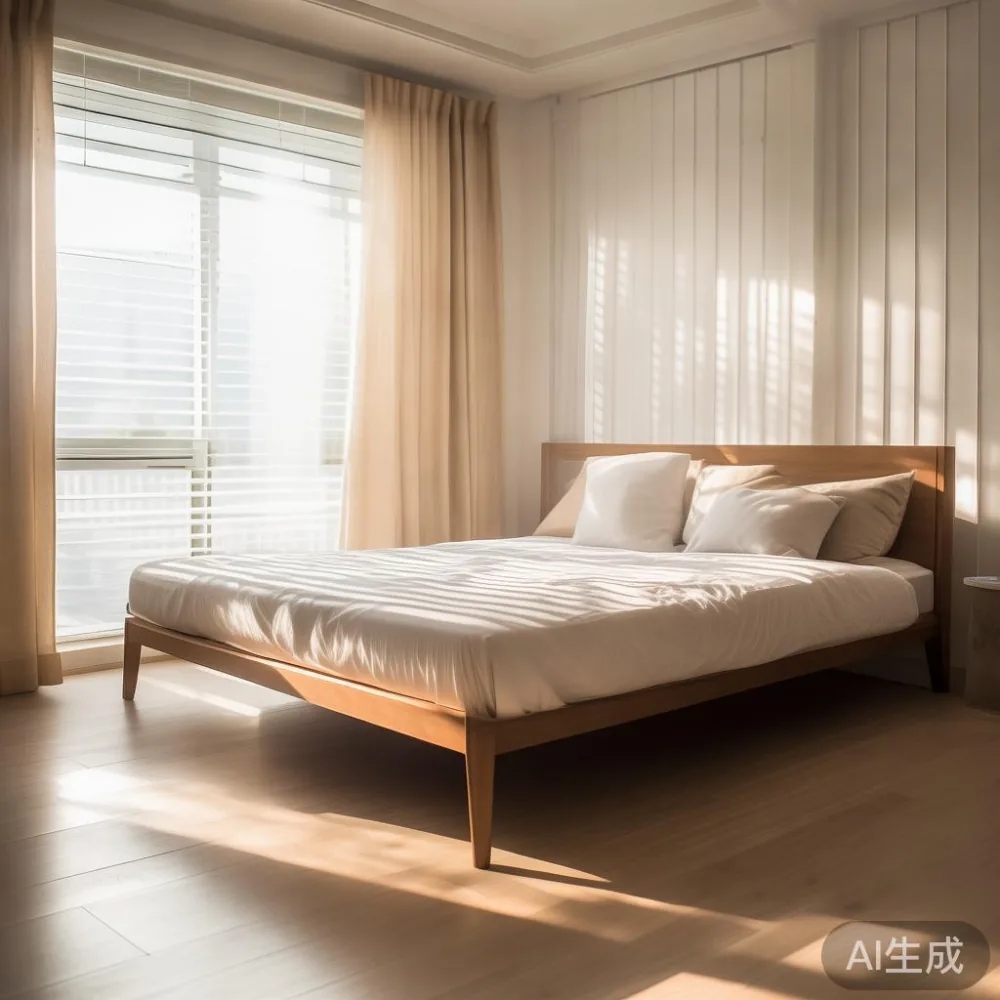
Consumers often assume coverage is universal, but distinctions exist between structural integrity and surface finishes. A provider might offer a decade of protection for the frame while limiting coverage on upholstery to a single year. Reading the document requires attention to definitions of wear and tear versus manufacturing defects. Local regulations and housing types also influence delivery and installation terms, which are sometimes linked to warranty validity. If a piece is damaged during transit through a narrow corridor, the responsibility shifts depending on the agreed Incoterms. Knowing these details helps buyers manage expectations and maintain their purchases correctly.
Understanding Structural Versus Cosmetic Coverage
The most significant distinction in any warranty document lies between structural and cosmetic coverage. Structural coverage typically applies to the internal framework, joinery, and load-bearing components. For a bed frame, this includes the slats, the side rails, and the joints connecting the headboard. A standard industry offer might provide ten years of protection for these elements. This means if a joint fails due to glue degradation or wood splitting under normal use, the manufacturer addresses the repair. Cosmetic coverage, however, deals with surface appearance. This includes fabric staining, minor scratches on a marble table, or fading due to sunlight exposure.
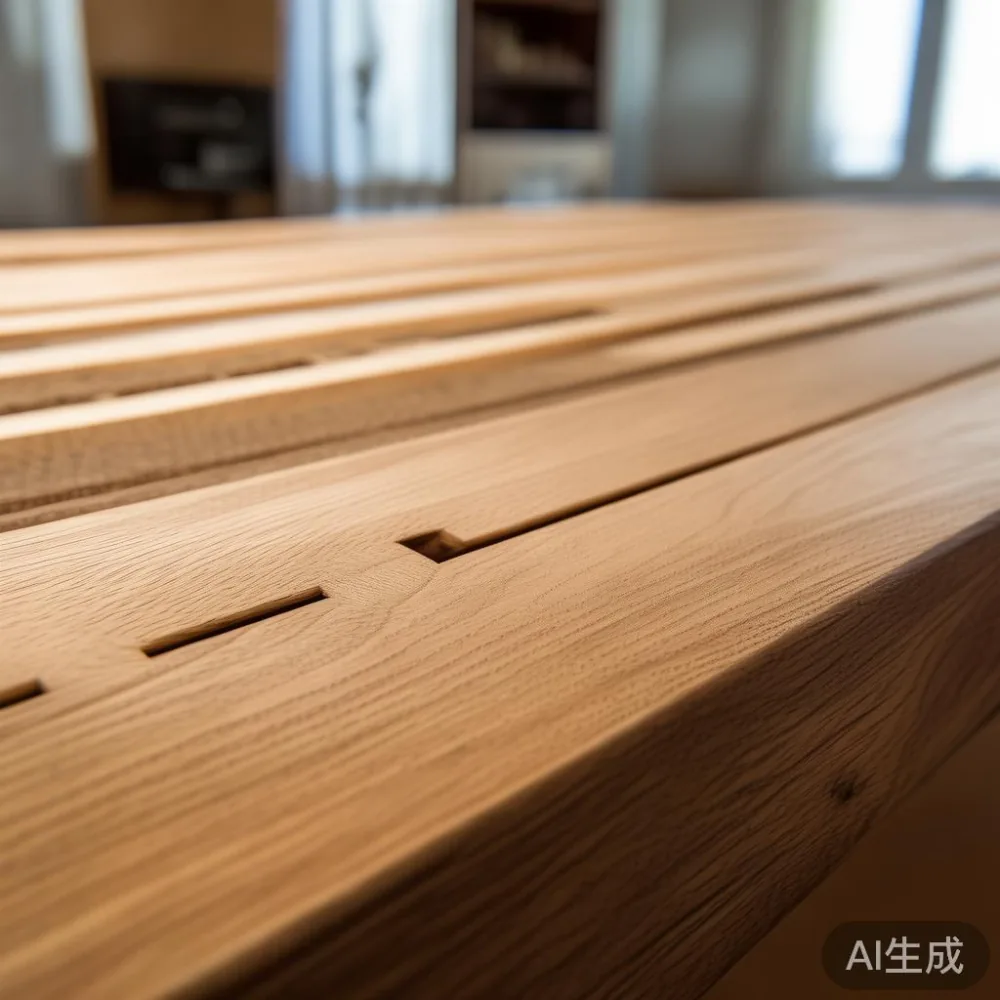
Lifetime refinishing policies are rare but valuable when available. This service allows owners to sand and reseal solid wood surfaces indefinitely, provided the damage is not due to misuse. I tested this concept last month when I visited a workshop in Foshan. The technicians showed me how a dining table top from 2015 was stripped and refinished to look new. Such policies add significant value to solid wood pieces compared to veneer alternatives. Veneer cannot be sanded down repeatedly, limiting its lifespan. Buyers should verify if the warranty covers the core material or just the surface layer. A ten-year structural warranty on a bed frame ensures stability, while lifetime refinishing maintains the aesthetic appeal of wood grain over decades.
Exclusions often void claims if maintenance instructions are ignored. Using harsh chemicals on oiled wood or placing hot items directly on untreated surfaces can negate coverage. Documentation usually requires proof of purchase and sometimes photos of the defect. Keeping records in a digital folder simplifies the claims process. Some companies require the original packaging for returns, which is difficult to store in Singapore apartments. Clarifying storage requirements before delivery prevents complications later. Understanding these divisions ensures you know exactly what protection you hold for your investment.

Logistics and Access in Singapore HDB Flats
Delivery logistics in Singapore are tightly linked to warranty validity regarding transit damage. HDB flats and condos have specific lift and corridor dimensions that affect how furniture enters the home. Standard HDB corridors are often 90cm wide, while lift doors measure around 150cm. Large items like a wardrobe or a king-sized bed frame may require disassembly to fit through these spaces. If the delivery team forces a piece through a narrow gap and scratches the wall or the furniture, liability depends on the service agreement. Some warranties void coverage if the customer refuses professional installation and attempts self-assembly incorrectly.
Goods and Services Tax (GST) in Singapore is currently 9%, and this applies to imported furniture values above certain thresholds. When calculating the total cost, buyers must include this tax along with delivery fees. A piece priced at SGD 2,000 might cost SGD 2,180 after tax and delivery. Free shipping offers often have minimum spend requirements. For instance, free shipping over US$350 translates roughly to SGD 470, which is easily met by most large furniture orders. However, remote areas or upper floors without lift access may incur additional charges. Residents in Punggol or Sengkang should confirm if their specific block has lift access directly to the unit floor.
Staircase delivery carries higher risks of damage. Dropping a heavy solid wood sofa down three flights of stairs can compromise internal joints even if external scratches are invisible. Warranty terms should specify who bears the risk during this process. If the carrier handles the move, they should insure the goods until placement inside the room. Buyers should inspect items immediately upon delivery. Noting damage on the delivery receipt is necessary for any future claims. Waiting seven days to report a dent found during unpacking often results in rejected claims. Clear communication with the logistics provider protects your rights under the warranty.
How do I choose a entryway furniture for a entryway?
You should prioritize structural integrity and dimensions that fit your specific corridor width before considering aesthetic finishes. Entryway pieces face high traffic and require sturdy construction to withstand daily use. In Singapore condos, the entryway often connects directly to the living room, meaning the furniture must complement the design theme. A narrow console table works better for corridors measuring less than 100cm wide. Solid wood construction ensures longevity compared to particle board alternatives. Checking the warranty for structural coverage on legs and joints is important for these high-use items. Ensure the finish is resistant to humidity, as Singapore's climate can affect wood near main doors.
Style coordination matters for maintaining a cohesive look throughout the home. If your living room features French light luxury elements, the entryway piece should reflect similar hardware or wood tones. American light luxury might involve heavier wood profiles and darker stains. Post-modern light luxury often incorporates metal accents and cleaner lines. Matching these styles ensures the transition from the door to the living space feels intentional. A nightstand in the bedroom might share the same handle design as the entryway console. This creates a unified visual language across different rooms. Warranty terms for these pieces should match the standards set for larger items like beds or dining sets.
Functionality dictates the type of storage needed. Some entryways require shoe storage, while others need space for keys and mail. Multi-functional pieces reduce clutter in small flats. Verify if the warranty covers moving parts like drawers or hinges. These components fail often due to frequent use. A provider offering a ten-year structural warranty likely uses higher quality hardware than one offering only one year. Measuring the available space accurately prevents returns. A 14-day return policy is standard, but returning a heavy item incurs logistics costs. Confirming dimensions and utility before purchase saves time and money.
Material Quality and Light Luxury Styles
Material selection defines the longevity and aesthetic of furniture. Solid wood remains a top choice for durability and refinishing potential. Oak, ash, and walnut are common species used in high-quality pieces. These woods handle humidity better than softer alternatives. In a light luxury setting, the wood finish is often matte or satin rather than high gloss. French light luxury emphasizes elegance with curved lines and subtle gold accents. American light luxury focuses on comfort and substantial proportions. Post-modern light luxury blends industrial materials with warm wood tones. Each style demands specific maintenance to preserve the warranty coverage.
Stone surfaces add weight and visual interest to dining and living areas. A marble table requires sealing to prevent staining from spills. Sintered stone offers higher resistance to scratches and heat. Some collections now include Post-modern sintered stone balcony furniture designed to withstand outdoor exposure while maintaining indoor aesthetics. These materials are heavy, requiring sturdy bases. Warranty coverage for stone usually excludes natural veining variations or minor chips from impact. Buyers should understand that natural materials have unique characteristics that are not considered defects. Synthetic alternatives offer consistency but lack the ability to be refinished over time.
Upholstery choices impact comfort and maintenance. Fabric sofas require regular vacuuming to prevent dust buildup. Leather needs conditioning to avoid cracking in air-conditioned environments. The warranty should specify coverage for sagging cushions or frame breakdown. A solid wood sofa frame supports the upholstery longer than metal or plastic frames. Testing the weight capacity is important for larger households. I observed a test where a frame supported 300kg without flexing. Such strength indicates quality joinery. Ensuring the materials match the lifestyle of the household prevents premature wear. High-traffic homes benefit from performance fabrics and hardened wood finishes.
Return Policies and Shipping Thresholds
Return policies provide a safety net if the furniture does not meet expectations. A 14-day return window is common in the industry. This period allows buyers to inspect the item in their own space. Lighting and spatial context often look different than in a showroom. If the color clashes with existing walls or the size overwhelms the room, returns are necessary. However, return shipping costs can be high. Free shipping over US$350 helps initial delivery, but return freight might be charged to the customer. MIDHILL offers a 14-day returns policy, which aligns with standard market practices for online furniture purchases. Checking who pays for return logistics is necessary before ordering.
Restocking fees may apply if the item is returned without defects. Custom orders usually cannot be returned unless damaged. Standard items have more flexibility. Packaging must be kept intact for some providers, though this is difficult in small flats. MIDHILL exports to 15+ countries, indicating a logistics network capable of handling international returns if needed. For local Singapore buyers, the process is simpler. Damage claims require photographic evidence and sometimes a video call inspection. Prompt reporting ensures the claim falls within the valid period. Delaying notification can lead to disputes about when the damage occurred.
Warranty registration is often required to activate coverage. Some brands require online registration within 30 days of delivery. Failing to do this might void the structural protection. Keeping the invoice and warranty card in a safe place is important. Digital copies are acceptable for most claims. MIDHILL provides a 10-year structural warranty and lifetime refinishing, which sets a high benchmark for industry support. These terms indicate confidence in the manufacturing quality. Buyers should compare these offerings against local retailers who might offer shorter terms. Long-term support reduces the total cost of ownership over the lifespan of the furniture. Reviewing these details ensures your investment remains protected for years.