What Actually Drives the Price of Solid Wood Furniture
For residents of Singapore, working through the furniture market for a new bed frame can feel like a puzzle. The prices on labels can range dramatically, from a few hundred Singapore Dollars to several thousand. It’s easy to assume the highest price tag guarantees the best quality, but what if the difference is more nuanced? Understanding the actual components that determine the cost of solid wood furniture—especially a bed frame—is key to making a decision that fits both your space and your budget, whether you’re furnishing a compact HDB flat in Bedok or a spacious condo in Tampines.
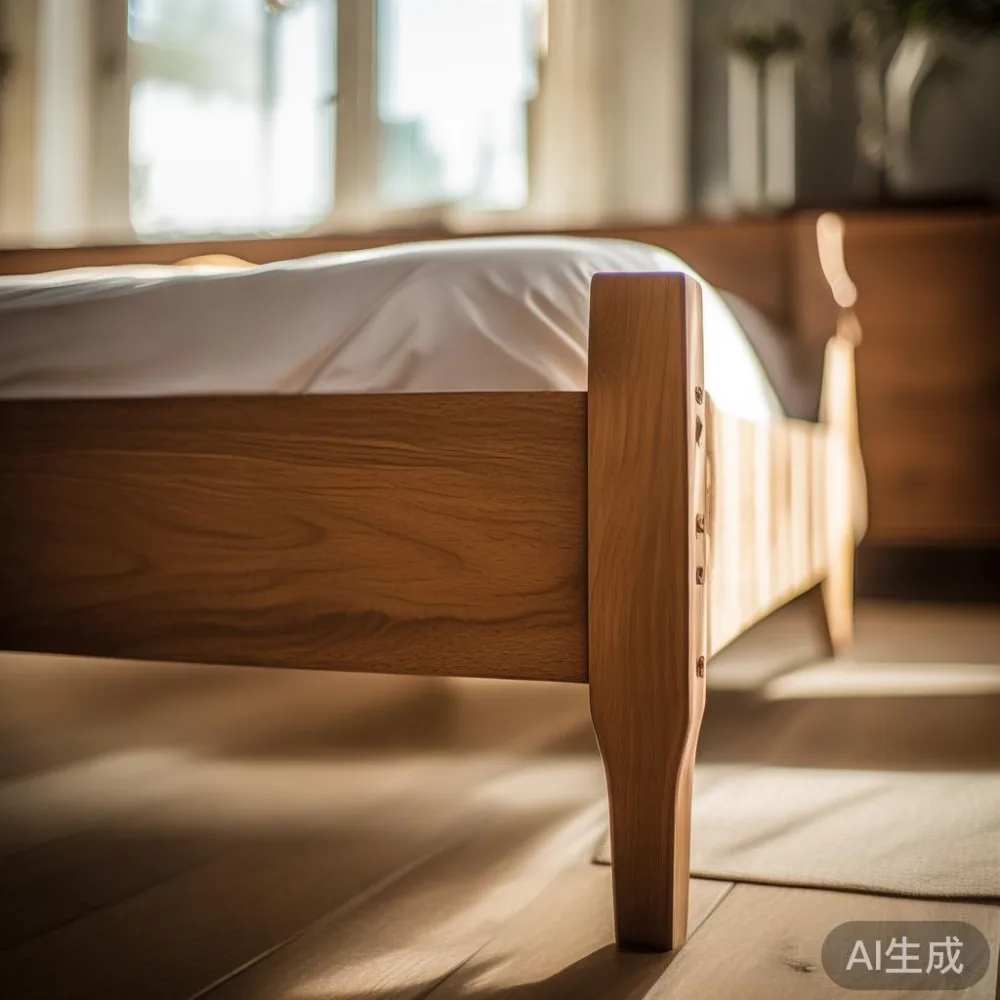
Is a Solid Wood Bed Frame Just a Piece of Wood?
At its most basic, a solid wood bed frame is a structure made from lumber, not veneers or engineered wood. However, the type of wood used is the single largest factor influencing its price. Not all wood is created equal. In the world of furniture, wood is broadly categorized into hardwoods and softwoods. Hardwoods, derived from deciduous trees, are denser, more durable, and generally more expensive. Common choices for high-quality bed frames include oak, walnut, cherry, and maple. A solid oak bed frame, for example, will command a higher price than one made from pine due to its density, longevity, and the time it takes for the tree to mature. The cost of raw materials is significant. A single plank of high-grade walnut can cost SGD 80 to SGD 150 per square foot, and a large bed frame requires multiple such planks, not just for the visible surfaces but also for the internal support structure.
Softwoods, like pine, are less expensive and grow faster, making them a popular choice for more budget-conscious options. While perfectly functional, they are more susceptible to dents and scratches over time. The origin of the wood also plays a role. European woods like oak and ash, often associated with French light luxury, are prized for their fine grain and stable properties, adding to their cost. Similarly, American woods like cherry have a distinct character that commands a premium. So, when you see a price difference, the first question to ask is: what wood is this bed frame actually made of?

Why Does Craftsmanship Cost So Much More?
The material is only half the equation. The second major driver of price is the craftsmanship involved in transforming raw lumber into a finished bed frame. This is where the difference between a mass-produced item and a piece of artisanal furniture becomes stark. Think of it like cooking: you can make a simple pasta with store-bought sauce, or you can create a complex Bolognese from scratch, simmering it for hours. The result is different, and so is the effort.
High-quality construction methods take time and skilled labour. A well-made bed frame will feature joinery techniques like mortise and tenon, dovetail, or tongue-and-groove joints. These methods interlock pieces of wood without relying solely on nails or screws, creating a stronger, more stable structure that can withstand decades of use. A dovetail joint, for instance, requires precision cutting and fitting. It’s a labour-intensive process that a machine can approximate but rarely replicates with the same integrity. This level of craftsmanship is a hallmark of American light luxury, where clean lines and solid joinery define the aesthetic.
Last month, I visited a workshop in Foshan that supplies several Singaporean brands. I watched a carpenter hand-sand the surface of a solid wood bed frame. The process took him 45 minutes for just one side of the headboard. He explained that machine sanding can leave microscopic scratches, and hand-sanding with progressively finer grits is necessary to achieve a perfectly smooth, tactile finish. This level of attention to detail is not a quick job; it’s a deliberate, time-consuming step that directly impacts the final price. The labour costs associated with this skilled work are substantial and are factored into every piece.
What About the Finish and Hardware?
Once the wood is shaped and joined, it needs to be protected and finished. The finish is not just for appearance; it’s a shield against humidity, which is a constant concern in Singapore’s climate. A high-quality finish involves multiple steps: sealing the wood grain, applying a stain or dye for colour, and then coating it with a protective lacquer, oil, or wax.
The type of finish significantly affects the price. A simple, single-layer lacquer might be applied in a factory setting with an automated spray gun. In contrast, a hand-rubbed oil finish, which penetrates the wood and gives it a rich, natural lustre, requires a craftsman to apply it by hand and buff it to a perfect sheen. This process is time-consuming but results in a finish that is more durable and beautiful over time. For a piece of Italian light luxury for apartment living, this impeccable finish is non-negotiable, contributing to the aesthetic and value.
Don’t overlook the hardware. The knobs, handles, and screws that hold the bed frame together are often small details, but they matter. A cheap, cast-metal screw can corrode or strip, while a solid brass or stainless steel screw with a custom-designed head is a sign of quality. The same goes for bed slats. A simple, thin wooden slat system is inexpensive, but a heavy-duty, centre-support beam with reinforced slats designed to distribute weight evenly adds to the material and manufacturing cost, ensuring the bed frame remains stable and supportive for years.
How Does the Design and Brand Story Factor In?
Design is a more subjective element, but it has a real impact on price. A simple, minimalist design can be produced more quickly than a complex, ornate one. Intricate carvings, curved headboards, or unique post-modern light luxury silhouettes require more design time and precision cutting, which adds to the cost. The design also influences the perceived value. A bed frame with clean, architectural lines might appeal to a modern condo owner in Punggol, while one with a more rustic, traditional charm might suit an HDB flat in Tampines.
There’s also the brand’s story and commitment. A company that invests in sustainable forestry, uses non-toxic finishes, and offers a lifetime guarantee is providing a value that goes beyond the physical product. The 10-year structural warranty from a brand like Midhill, for example, is a promise of quality. It means the company is confident in its construction and materials. This peace of mind is part of the price. When a company stands behind its product for a decade, it’s not just selling a bed frame; it’s selling a long-term investment in your comfort and home.
Why is a Singaporean Delivery and Return Policy Part of the Price?
For a customer in Singapore, the final price of a bed frame isn’t just about the product itself; it includes the entire service ecosystem. This is a critical point that is often hidden in the fine print. Singapore’s urban landscape presents unique challenges. Delivery to an HDB flat in Bedok or a high-rise condo in Tampines requires working through narrow corridors and lift dimensions. A standard king-size bed frame is approximately 180cm wide, and many older HDB lifts have a width of just 110cm. This means the frame must be delivered in pieces and assembled on-site, a service that requires skilled personnel and time.
A reputable company will factor the cost of this specialised service into its pricing. This includes the wages of the delivery team, insurance for transit, and the logistics of coordinating a two-man crew to carry a 40kg wardrobe or a 35kg bed frame up to the 15th floor. Offering free shipping over SGD 350 is a significant value proposition. It means the company has structured its pricing to absorb these logistical costs for larger purchases, simplifying the buying process for the customer.
Similarly, a clear 14-day return policy is a service component. Processing a return involves logistics, inspection, and potential restocking. A company that offers this without restocking fees is absorbing a cost to ensure customer satisfaction. This level of service is a hallmark of a premium brand. It’s the difference between buying from an online marketplace and buying from a specialist who understands the local context. The price of a bed frame from a company that offers reliable, Singapore-specific delivery and a fair return policy reflects the comprehensive support you receive, not just the wood and labour.
How to Style a European Light Luxury Bed in a Singaporean Home?
Understanding the value of a well-made bed frame allows you to appreciate how to style it effectively. The principles of light luxury focus on creating a space that feels airy, sophisticated, and uncluttered. A Modern light luxury bed, for instance, often features a low-profile platform design with clean lines and a neutral palette. To style this type of bed in a Singaporean apartment, the key is balance.
Consider the scale of your room. For a guest room, a European light luxury bed with a simple, upholstered headboard can create a serene and welcoming atmosphere. Pair it with high-thread-count linens in muted tones like cream, grey, or pale blue. Add a few textured pillows and a throw made of natural linen or wool to introduce warmth without bulk. The goal is to let the bed frame be the star of the show. For the main bedroom, how to style a European bed in a small apartment involves clever use of space. Choose a bed frame with built-in storage drawers underneath to eliminate the need for a bulky bedside table. A sleek marble table can serve as a minimalist nightstand, reflecting light and adding a touch of elegance without taking up floor space.
Lighting is paramount. Use wall-mounted sconces on either side of the headboard to save surface area. A statement pendant light hanging low over the bed can create a dramatic, hotel-like feel. When choosing a European light luxury for apartment living, remember that less is more. The beauty is in the quality of the materials and the simplicity of the forms. This approach ensures your home feels spacious and refined, a true sanctuary in the heart of the city.