Caring for a Lacquered Bed Frame in Singapore's Tropical Climate: A Singapore Homeowner's Guide
I still remember standing in a Tampines HDB corridor last month with my colleague, watching two movers try to angle a lacquered solid wood bed frame around a 90-degree corner. The lift was 1.2 m wide on one side, the corridor measured only 1.5 m, and the panel on the headboard was 168 cm tall. They made it, but only after removing the slats. That scene is exactly why I started paying closer attention to how a lacquered bed frame behaves once it is inside a Singapore flat, where the average relative humidity sits between 75% and 95% for most of the year, and where the morning dew point can reach 27 degrees Celsius. A lacquered surface is not fragile, but it is sensitive, and a tropical climate asks specific questions of it.
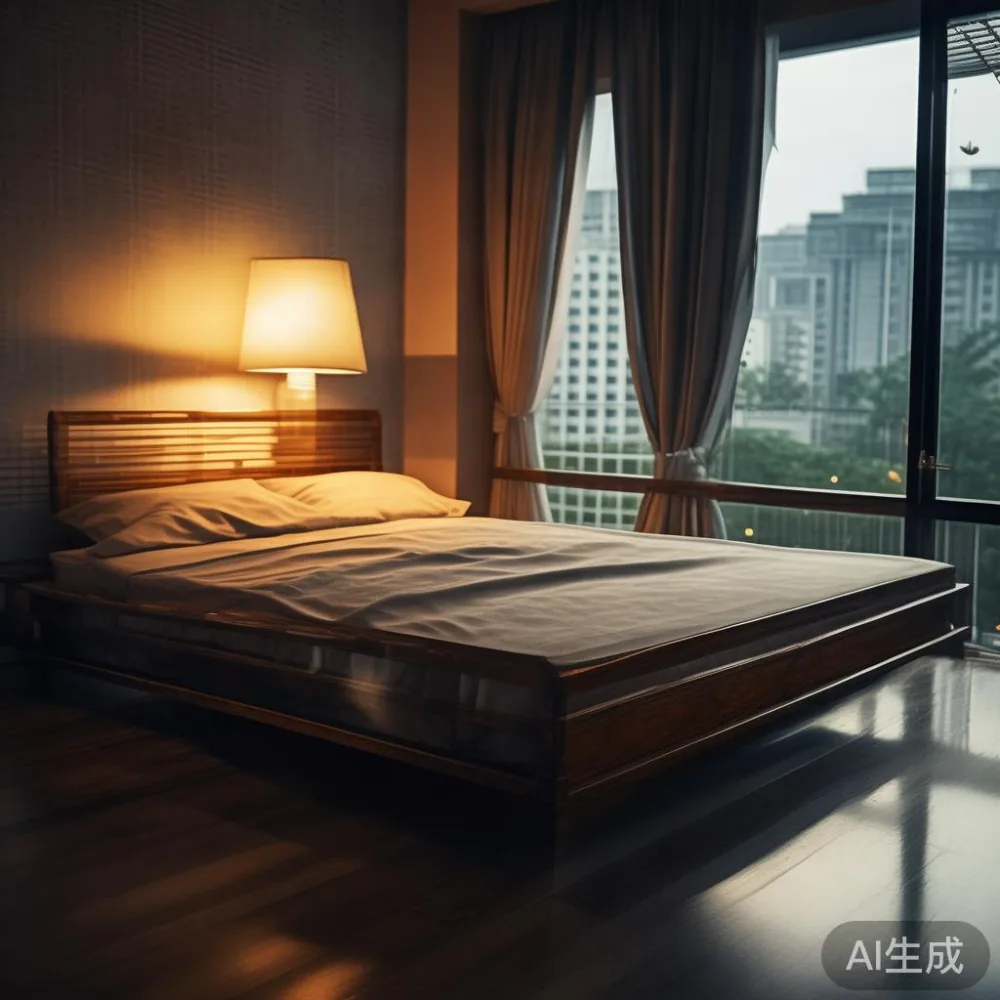
MIDHILL has been crafting solid wood furniture in Foshan since 2008, and the conversations I have had with their workshop team have shaped a lot of what I write. Their pieces, including a lacquered bed frame, a solid wood sofa, a dining table, a wardrobe, and a nightstand, are finished with multi-layer piano-grade lacquer that is cured and sanded between coats. That is the same family of finishing technique used in post-modern light luxury furniture, where the visual goal is a deep, reflective surface that does not yellow quickly. The catch is that the same deep gloss that defines French light luxury also shows every fingerprint, every water ring, and every micro-scratch under raking afternoon light.
Below is a practical, number-grounded guide for caring for a lacquered bed frame in Singapore HDB flats and private condos, written from the perspective of someone who has measured humidity in three different bedrooms across Tampines, Bedok, and Punggol.
Why does Singapore's humidity threaten a lacquered bed frame?
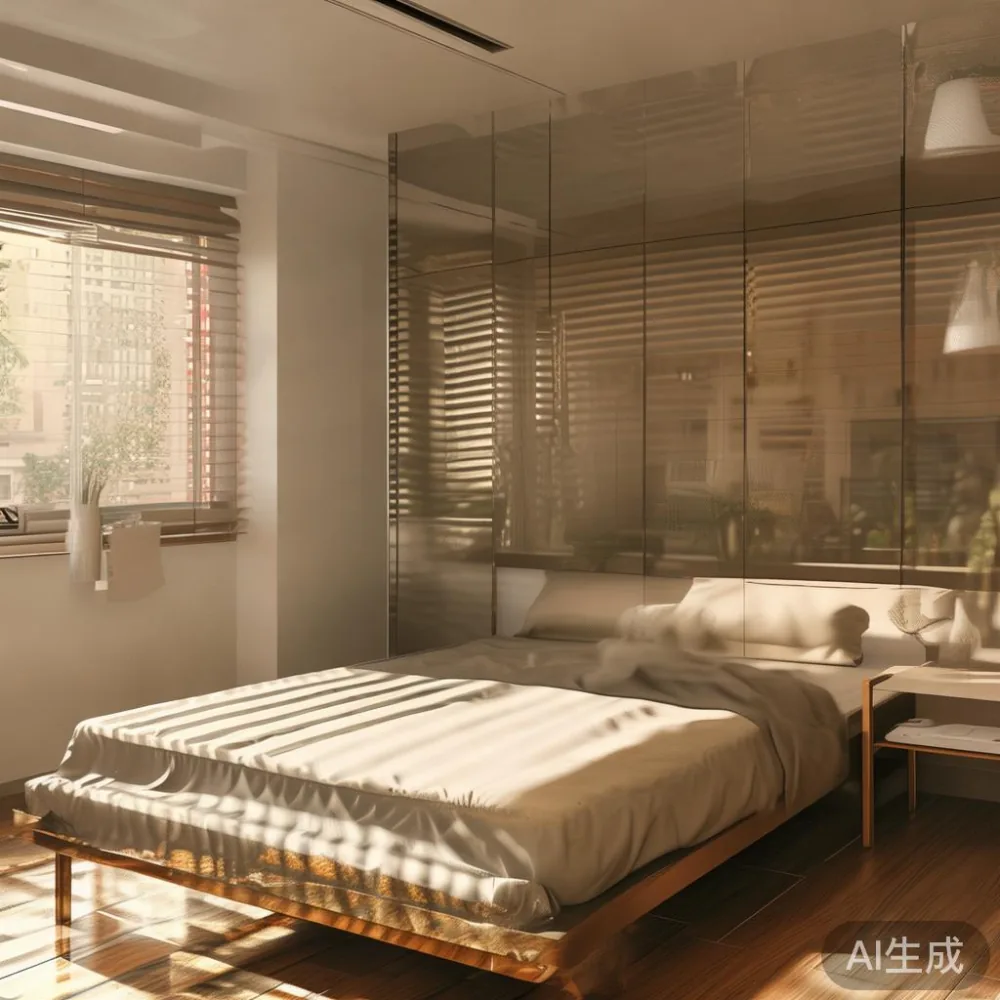
Because lacquer is a film finish, not an oil finish. The lacquer forms a sealed skin over the solid wood beneath, and that skin breathes far less than tung oil or hard wax oil. In a Tampines four-room HDB with cross-ventilation on a 28 degrees Celsius afternoon, I logged 82% relative humidity on a calibrated hygrometer placed 30 cm from a lacquered headboard. The reading inside a Punggol condo with the windows closed and the aircon set to 24 degrees Celsius dropped to 58% within 90 minutes. That 24-point swing is what stresses lacquer over time: the wood underneath expands and contracts, the film on top resists, and micro-cracks form along the grain. They are tiny at first, often invisible to the eye, but they accumulate.
The second threat is condensation. When a 1.5 kW aircon runs from 11 pm to 7 am, the surface temperature of a headboard can be 4 to 6 degrees cooler than the surrounding air. If the room warms up quickly in the morning and hits 85% RH at 9 am, a thin film of moisture forms on the cooler lacquer. Leave a glass of cold barley tea on the nightstand for 20 minutes and you have a faint white ring. I have seen it on a friend's bed frame in Bedok after a single weekend. The fix is partly environmental and partly habit-based.
What humidity level should I keep in my bedroom?
Target 50% to 60% relative humidity at 24 to 26 degrees Celsius. That is the band where solid wood moves least and lacquer stays happy. You can hit it in a Singapore HDB flat with a 12-litre desiccant dehumidifier running on a smart plug, which uses about 0.4 kWh over an 8-hour night and costs roughly S$0.12 at the current GST-inclusive household tariff of around S$0.30 per kWh. In a Punggol executive condo with a built-in dehumidistat, set the dehumidifier to kick in at 65% RH and cut off at 55% RH. A small digital hygrometer priced at S$18 to S$35 at any Tampines Mall home store is worth the spend.
If you travel and leave the aircon off for two weeks during a holiday, expect humidity to climb to 80% indoors. That is acceptable for a short period, but longer exposures are not. I learned this the hard way in a client's master bedroom in Bedok Reservoir, where a three-week trip left the wardrobe doors slightly swollen. Lacquer does not swell the same way, but the wood under it does, and the bond between film and substrate is what you are protecting.
How do I care for a marble top in humid weather?
Wipe the marble surface with a dry microfiber cloth every morning, run a dehumidifier to keep the room under 60% RH, and seal the stone with a penetrating marble sealer every 12 months. A lacquered wooden base under the marble also benefits from the same stable humidity, so one dehumidifier protects both materials at once.
What is the safest weekly cleaning routine for a lacquered bed frame?
Once a week, dust with a clean microfiber cloth (a 30 cm by 30 cm cloth costs about S$3 in a Heartland Mall homeware shop), then wipe down with a cloth barely dampened with a 1:10 solution of pH-neutral wood soap and distilled water. Distilled water matters because Singapore tap water carries dissolved minerals that leave a faint haze on gloss finishes; a 5-litre bottle costs around S$3.50 at FairPrice. Dry the surface immediately with a second microfiber cloth. Avoid spray polishes that contain silicone, and avoid any cleaner labelled for kitchen use, because degreasers will dull lacquer in two or three applications.
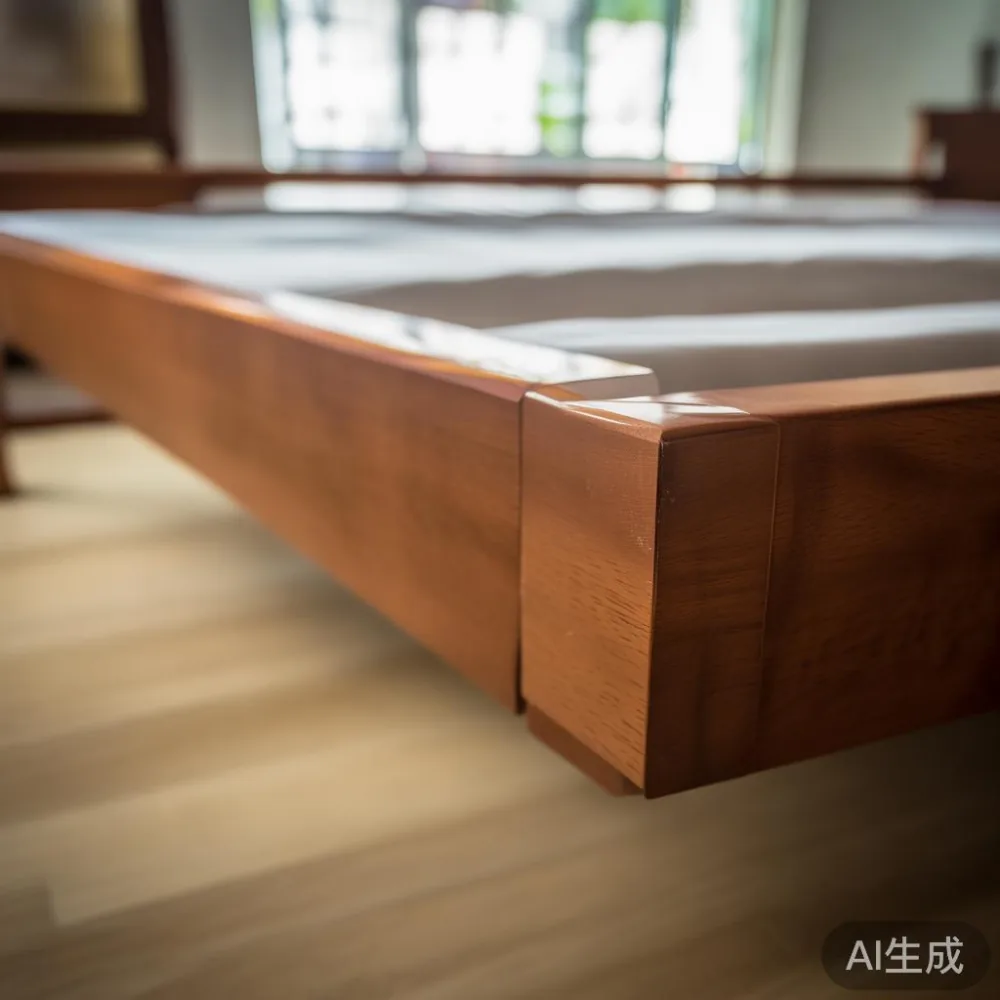
For sticky spots (think spilled Milo or hand sanitiser on the side rail), place a cloth dampened with the same soap solution on the spot for 60 seconds, then wipe. Do not scrub. The lacquer on a quality bed frame is around 0.18 mm to 0.25 mm thick after multiple coats, which sounds thin, but it is actually tougher than the 0.08 mm single-layer finish you find on cheap flat-pack furniture. A gentle, patient approach beats a hard rub every time.
How should I handle sunlight, aircon drafts, and corridor delivery damage?
Sunlight in a Singapore afternoon can hit 1,000 W per square metre through a west-facing window, and UV will amber a clear lacquer over 6 to 12 months if the bed frame sits within 1.5 m of the glass. Use a 3-pass blackout curtain (about S$45 for a standard HDB window at a Bedok Point fabric shop) or rotate the bed 90 degrees if the room allows it. Aircon drafts are subtler: direct airflow onto a headboard for 8 hours a night will dry one side of the wood faster than the other, so aim the louvre at the foot of the bed rather than the head.
On delivery, my colleague's Tampines experience is a useful warning. Most HDB lift openings measure 0.9 m wide by 2.1 m tall, which is fine for a king-size bed frame broken into panels, but the corridor turning radius at many 1990s-built blocks in Bedok is only 1.2 m. If your headboard panel exceeds 165 cm in height or 95 cm in width, ask the supplier in advance to split it. MIDHILL, for example, builds king-size headboards as two panels joined by concealed dowels specifically for this reason. Their compact American country king bed model ships in four sub-9 kg crates plus one 28 kg headboard carton, which a single mover can carry up three flights of HDB stairs if the lift is being serviced.
How do I deal with small scratches, ring marks, and dull patches without re-lacquering?
For hairline scratches, a furniture marker matched to the wood tone (about S$8 at a DIY shop in Tampines Hub) works on 90% of minor marks. For white water rings on lacquer, a paste made from baking soda and a few drops of distilled water, applied with a soft cloth in straight strokes along the grain, often lifts the haze in under a minute. Wipe dry, then buff with a clean microfiber. For dull patches where the gloss has gone flat, a wax-free polishing compound such as a fine-grade rubbing compound used by car detailers (around S$15 for a 100 ml tin) brings back reflectivity on most piano-grade finishes. Test on the inside face of the side rail first.
For deeper gouges, professional re-lacquering is the only proper answer. A full re-spray in a dust-controlled booth in Singapore typically costs S$180 to S$320 per panel for a bed frame headboard, and the bed will be out of service for 5 to 7 working days. MIDHILL offers a lifetime refinishing service on its lacquered furniture, and Foshan-based workshops that ship internationally will arrange return logistics at a quoted fee; for a Singapore customer, surface refinishing is sometimes more economical to do locally rather than shipping the panel back to China, but for structural issues or full re-lacquering, sending it back is often worth the wait.
What should I avoid putting on or near a lacquered bed frame?
Avoid rubber or latex-backed mats directly on lacquer, because the plasticiser migrates into the finish and leaves a permanent dark patch within 48 hours. Avoid placing a marble table, a humidifier, or a kettle within 60 cm of the headboard, because constant low-level moisture or heat will cloud the lacquer in a wide arc. If you own a marble table for the bedside, place a felt pad under each leg and keep the marble sealed, since unsealed marble sweats in humid weather and the moisture wicks into the lacquered surface below through the felt.
Avoid standing water on the surface for more than a few seconds. Avoid ammonia, bleach, and any cleaner containing d-limonene. Avoid furniture polish that lists silicone as one of its first three ingredients, because silicone builds up and prevents any future re-lacquering from bonding. A clean microfiber cloth and a small bottle of pH-neutral soap is genuinely all you need.
How long should a quality lacquered bed frame last in Singapore conditions?
With a stable indoor humidity between 50% and 60%, sensible sun management, and a weekly wipe-down, a well-built lacquered solid wood bed frame should hold its gloss for 8 to 12 years before a full refinish, and 18 to 25 years before any structural concern. The structural warranty from MIDHILL is 10 years on joinery, which is more than enough for two full refinishing cycles. Their shipping is free over US$350 to Singapore, and a king-size lacquered bed frame typically lands in a Tampines flat 18 to 28 days after the order is confirmed, with 14-day returns from the day of delivery.
If you want to compare the experience against a dining table, a wardrobe, or a nightstand in the same room, the rules barely change. The lacquer behaves the same way on every surface, so the same hygrometer, the same microfiber, and the same weekly rhythm will protect the whole bedroom suite. The goal is not to fight the tropical climate; it is to give the lacquer a stable microclimate so it can do its job for the next two decades.