Caring for a Lacquered Surface in a Tropical Climate: A Singaporean's Guide
Living in Singapore, with its consistent warmth and high humidity, presents a unique set of challenges for maintaining the pristine finish of fine furniture. A lacquered bed frame, with its deep, reflective gloss or sophisticated matte sheen, can be the centerpiece of a bedroom, offering a touch of French light luxury or post-modern elegance. However, the very conditions that make our city-state so vibrant can also threaten that beauty. Condensation, temperature fluctuations, and the simple dust of daily life can dull a finish over time. This guide provides practical, step-by-step advice on how to protect your investment, ensuring your bed frame retains its lustre for years to come, whether it's a solid wood piece from a local artisan or a statement-making piece from a collection like the MIDHILL French provincial wardrobe.

Why Do Lacquered Surfaces React to Singapore's Humidity?
To care for something, it helps to understand what you're up against. Lacquer is a durable, protective finish applied over wood. It creates a hard, non-porous layer that shields the wood from moisture, scratches, and stains. In a controlled environment, like an air-conditioned room, a lacquered surface is remarkably stable. However, Singapore's climate introduces two primary stressors.
The first is humidity. The air in our HDB flats and condos, especially during the Northeast Monsoon season from December to March, can hold a significant amount of moisture. When this humid air makes contact with a cooler surface, such as the inside of an air-conditioned bedroom or a window pane, condensation forms. A lacquered bed frame, while sealed, is not completely immune to the effects of prolonged, intense humidity. Over time, this constant exposure can lead to subtle changes. The finish may become slightly hazy, or in rare cases, tiny bubbles or a milky appearance, known as blush, might develop under the surface. This isn't a sign of poor quality; it's a physical reaction of the finish material to the environmental conditions.
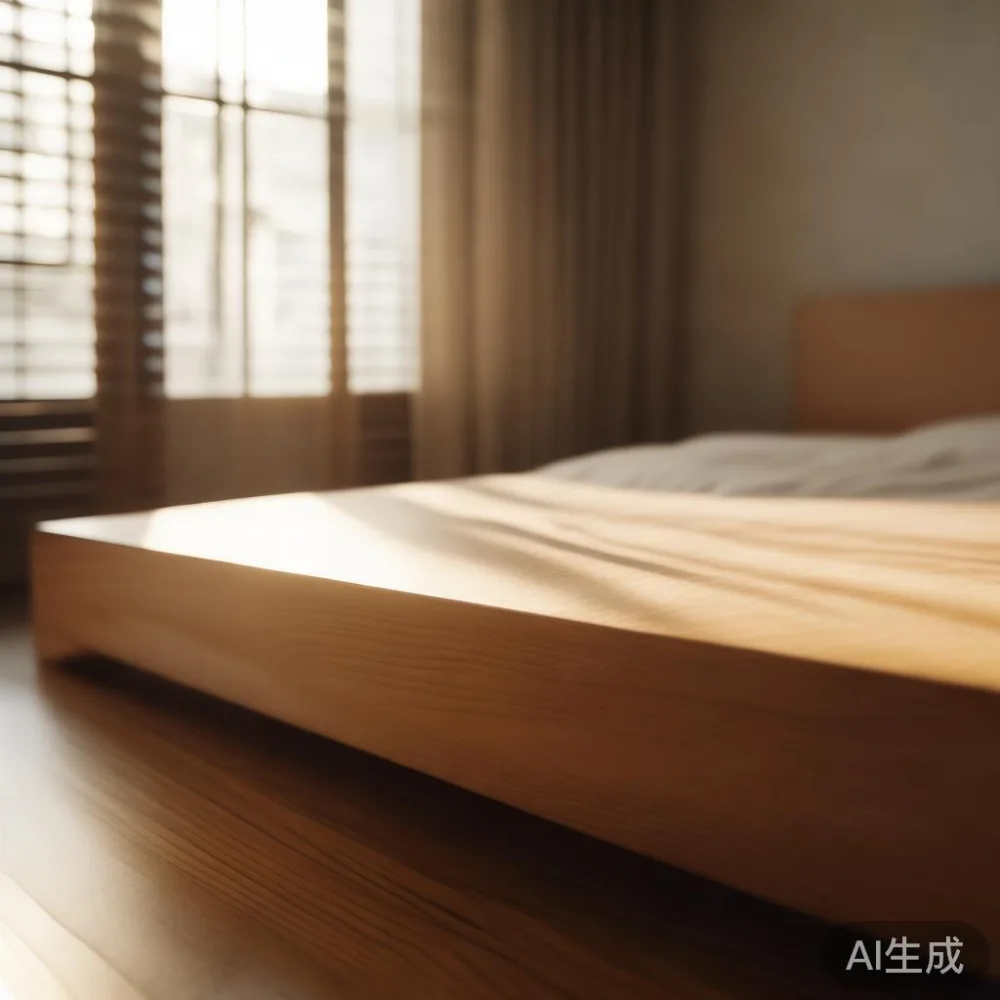
The second stressor is the dramatic shift between outdoor and indoor temperatures. Imagine leaving your bedroom window open on a warm, humid evening. The cool air from the air-conditioner kicks in, dropping the room temperature by 5-8 degrees Celsius. This rapid cooling can cause the wood and the lacquer to contract at different rates, putting minor stress on the finish. While a high-quality lacquered bed frame is designed to withstand such changes, repeated cycles can, over many years, contribute to a loss of that perfect, mirror-like sheen.
Preventative Measures: The First Line of Defense
The most effective way to care for your lacquered bed frame is to prevent problems before they start. A little bit of daily and weekly maintenance can go a long way in preserving its appearance. The goal is to create a stable micro-environment around your furniture.

Positioning is key. Avoid placing your bed frame directly against an external wall, especially in older HDB flats in areas like Tampines or Bedok where walls might be less insulated. The temperature difference between the wall and the room can be significant. Instead, leave a gap of at least 10-15 cm for air to circulate. Similarly, do not place your bed under or directly next to an air-conditioning vent. The direct, cold blast of air can cause localized condensation on the surface. My colleague, Sarah, who lives in a Punggol condo, learned this the hard way when she noticed a small, circular patch of her new bed frame's finish had become slightly cloudy after a month of direct AC exposure.
Regular dusting is non-negotiable. Dust particles, while tiny, can act like an abrasive when wiped across a surface. Use a soft, dry, lint-free microfiber cloth. A cloth made of 100% cotton or a specialized furniture cloth is ideal. Gently wipe the surface in the direction of the wood grain. For a high-gloss finish, you can use a clean, dry chamois leather for an extra-polished shine. A good practice is to dust your bed frame once a week, taking no more than 5-10 minutes. This simple habit prevents dust from settling and being ground in during regular cleaning.
Be mindful of what you place on the lacquered surfaces. A hot cup of coffee or a steaming bowl of laksa can leave a ring of condensation or, worse, a heat mark. Always use coasters. For a nightstand, choose a ceramic or stone coaster rather than one made of plastic or cork, which can trap moisture against the surface. When arranging decor, ensure that any object with a metal base, like a brass lamp, has felt pads on the bottom to prevent scratches and potential chemical reactions with the lacquer.
How to Clean Your Lacquered Bed Frame Without Damaging the Finish
When it's time for a deeper clean, the approach must be gentle. Aggressive cleaners or the wrong technique can strip away the protective lacquer layer, leaving the wood underneath exposed to damage. The golden rule is: less is more. You should only need to perform a full clean every 2-3 months, or if you notice smudges or sticky spots.
Start by removing all bedding, pillows, and any items from the nightstands. Use the soft, dry microfiber cloth to wipe away all loose dust and debris. For the actual cleaning solution, you need something extremely mild. A simple mixture of one part distilled white vinegar to ten parts distilled water is highly effective. Distilled water is preferred because it lacks the minerals found in tap water, which can leave behind a filmy residue. Mix the solution in a bowl and dip your clean microfiber cloth into it, wringing it out thoroughly until it is damp, not wet. The cloth should feel almost dry to the touch.
Wipe the damp cloth over the lacquered surface, again following the direction of the wood grain. Work in small sections, about 30 cm by 30 cm at a time. After wiping a section, immediately take a second, clean, dry microfiber cloth and buff the area to a shine. This two-step process—damp wipe followed by a dry buff—removes any potential streaks and ensures the finish is not left damp for too long. For stubborn spots, like a fingerprint smudge, you can apply a tiny drop of a pH-neutral, soap-based wood cleaner directly to the cloth, not the furniture. Avoid all-purpose household cleaners, ammonia-based products, or harsh solvents like acetone, as they will dissolve the lacquer.
Never, under any circumstances, use a wet cloth or a spray bottle to apply cleaning solution directly onto the bed frame. Excess moisture can seep into the joints or, over time, affect the finish. After cleaning, ensure the room is well-ventilated to allow any residual moisture to evaporate completely. If you've just cleaned the frame and plan to turn on the air-conditioner, wait at least an hour for the surface to be completely dry first.
Can I Polish or Wax My Lacquered Bed Frame?
This is a common question, and the answer is a firm no. Polishing or waxing a lacquered surface is one of the most common mistakes homeowners make. Lacquer is a film-forming finish that cures to a hard, smooth shell. It does not require, nor does it benefit from, additional wax or polish.
Applying a furniture polish or wax creates a new layer on top of the lacquer. This layer can build up over time, creating a cloudy, hazy appearance that traps dust and makes the surface look dull rather than lustrous. When you try to wipe it off, you can smear the polish, making the problem worse. More dangerously, some polishes contain silicone or oils that can interfere with the lacquer's finish, making future repairs or refinishing nearly impossible. A high-quality lacquered bed frame has a finish that is designed to be self-maintaining. Its beauty comes from the depth and clarity of the lacquer itself, not from a layer of added product. The best way to restore its shine is through proper cleaning and buffing, as described in the previous section.
Dealing with Common Problems: Stains, Heat Marks, and Haze
Despite your best efforts, accidents can happen. A water ring left by a glass, a heat mark from a hot plate, or a stubborn sticky spot can mar the beauty of your bed frame. Here’s how to address these issues, starting with the least invasive method.
For a fresh water stain or heat mark, the first step is to act quickly. Gently blot the area with a clean, dry cloth to absorb as much moisture as possible. Then, apply a small amount of non-gel, white toothpaste to a soft cloth and rub it gently over the mark in a circular motion. The mild abrasives in the toothpaste can sometimes buff out the micro-scratch in the finish that is causing the haze. Wipe the area clean with a damp cloth and then buff dry. If this doesn't work, the next step is to use a specialized lacquer repair kit, which contains very fine polishing compounds. Apply a tiny amount with a soft cloth and work it gently into the mark. This requires a light touch; too much pressure can remove more finish than you intend.
For a stubborn sticky residue, like from a price tag or adhesive, use a plastic credit card or a putty knife to gently scrape it off at a 45-degree angle. Be careful not to gouge the wood. Once the bulk is removed, dampen a cloth with a small amount of isopropyl alcohol (at least 90% concentration) and rub the area gently. The alcohol will dissolve the adhesive without harming the lacquer. Immediately wipe the area with a clean, damp cloth to remove the alcohol residue, then buff dry.
If the lacquer on your bed frame becomes permanently hazy or dull from years of exposure, professional refinishing may be the only option. A good furniture restoration service can strip the old finish and apply a new, high-quality lacquer. This is a significant investment, often costing several thousand Singapore dollars, but it can bring a beloved piece of furniture back to life. For a piece like a MIDHILL French provincial wardrobe, this kind of restoration can be worthwhile, preserving the character and craftsmanship of the furniture for another generation.
Is a Solid Wood Bed Frame a Practical Choice for Singapore?
Given the challenges of our climate, one might wonder if investing in a solid wood, lacquered bed frame is a practical decision. The answer is a resounding yes, provided it is the right type of wood and from a reputable maker. Solid wood furniture offers a level of durability and timeless appeal that mass-produced, veneered or particleboard pieces simply cannot match.
The key is to choose a hardwood with good dimensional stability. Woods like oak, walnut, and mango are excellent choices. They are dense and less likely to warp or crack with changes in humidity compared to softer woods like pine. A well-made solid wood bed frame from a company like MIDHILL, established in 2008 and exporting to 15+ countries, will have been properly kiln-dried. This process reduces the wood's moisture content to a level that minimizes its tendency to expand and contract in response to environmental changes, making it perfectly suited for our climate.
The value proposition extends beyond just the bed frame itself. A solid wood bed frame is a long-term investment. Companies that offer a 10-year structural warranty and a lifetime refinishing service demonstrate a confidence in their product's longevity. This means that even if the finish shows signs of wear after a decade, you can have it professionally restored, effectively giving the piece a new life. This contrasts sharply with cheaper furniture that might need to be replaced entirely after just a few years. The initial higher cost of a solid wood piece is offset by its lifespan and the ability to be refinished, making it a more economical choice over 10 or 20 years. When you consider the cost of replacing a cheap bed frame every 5 years versus refinishing a quality one once, the numbers often favour the solid wood option.
Also, a solid wood bed frame fits perfectly within the context of Singaporean homes. Whether you live in a compact 4-room HDB flat in Tampines or a spacious condo in Punggol, a well-designed bed frame offers both style and function. The clean lines of a post-modern light luxury design can make a small bedroom feel larger and more sophisticated, while the rich warmth of a French provincial style can create a cozy, inviting retreat. The solid construction provides a stable foundation for your mattress, ensuring a good night's sleep for years to come. It’s a piece of furniture that not only serves a practical purpose but also contributes to the aesthetic and comfort of your home.
Ultimately, caring for a lacquered bed frame in Singapore is about mindful habits and preventative care. It’s about understanding your environment and adjusting your routine accordingly. With a little attention, your bed frame will continue to be a source of pride and beauty in your home, a proof of quality craftsmanship that withstands the test of time and our unique tropical climate.