Harmonizing Furniture with Warm Minimalism in Singapore
Warm minimal interiors are often described as calm, uncluttered and timeless, but the best results come from careful proportions rather than an empty room. In Singapore, a bed frame can set the tone before a single decorative object is added. The wood grain, bed height, headboard profile and mattress clearance all affect how a bedroom feels, especially in HDB flats and condos where rooms, corridors and lifts place practical limits on scale.
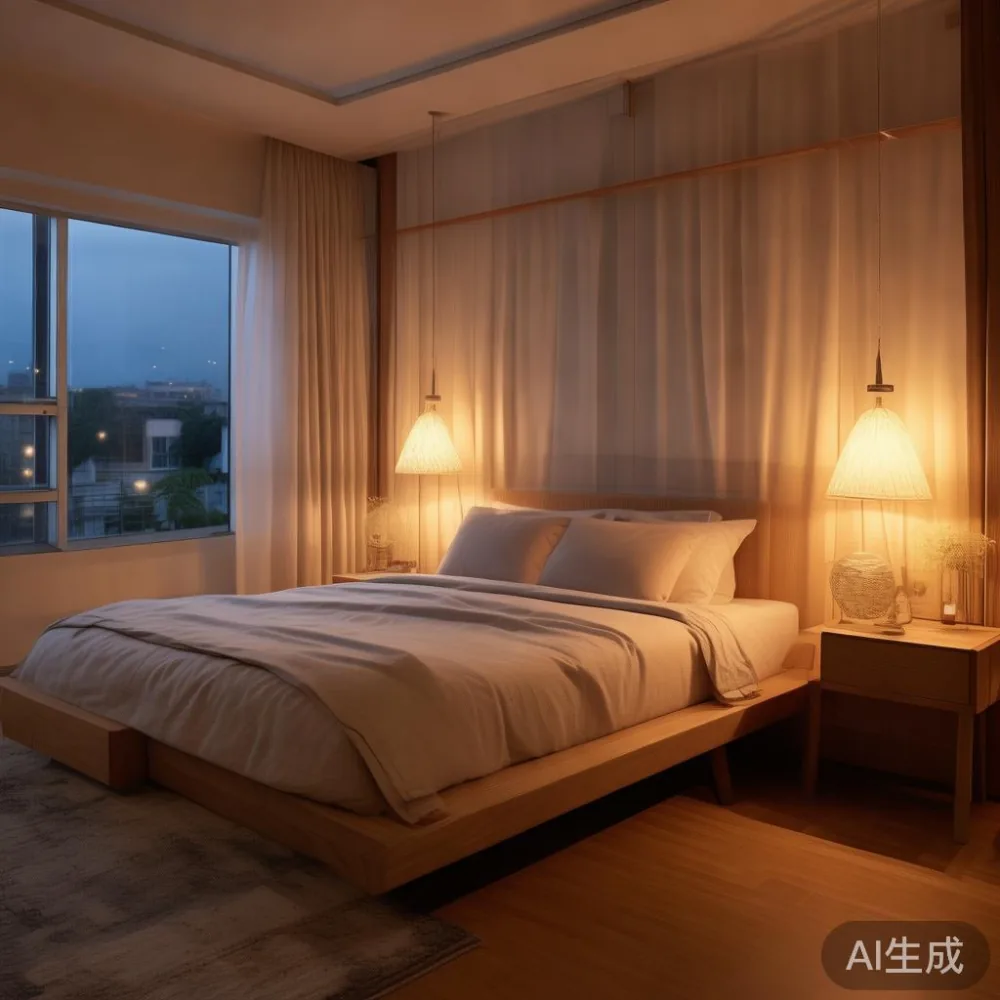
At MIDHILL, our approach to light luxury is grounded in solid wood construction, restrained detailing and furniture that can age gracefully. A warm minimal bedroom should not feel clinical; it should retain natural texture, enough contrast and comfortable lighting. This guide focuses on the bed frame as the anchor, then explains how related pieces such as a nightstand, dining table, wardrobe and marble table can support one coherent interior.
All prices below are indicative Singapore retail references in SGD, and delivery timing varies by configuration, finish and access conditions. GST is applicable at checkout. Because Singapore homes differ so much, measure twice before ordering any large furniture.
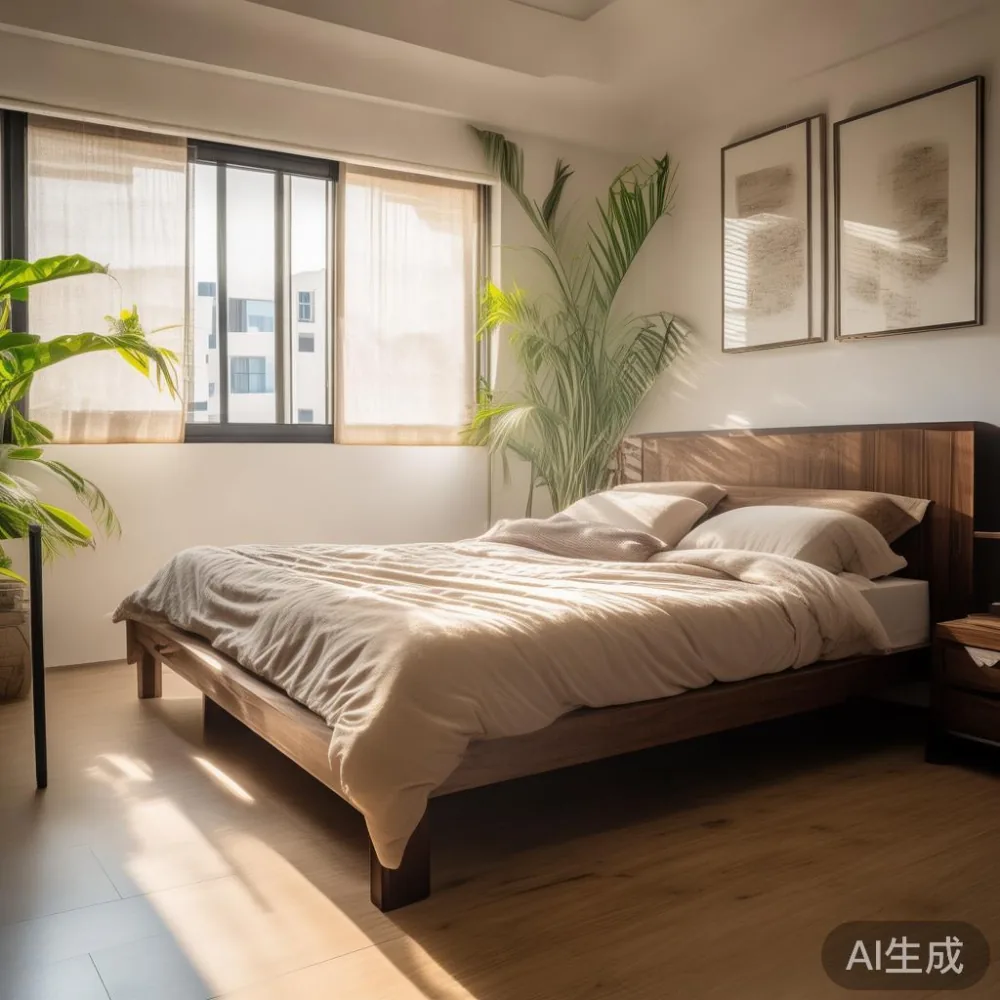
What makes a warm minimal interior work in Singapore?
Warm minimalism balances reduction with tactility. Pale timber, linen, warm white walls and soft black metal create a comfortable foundation, but minimal does not mean interchangeable. In a compact Tampines HDB bedroom, for instance, a low bed frame may make the room appear wider while reducing useful under-bed storage. A slim, high-profile frame could preserve visual space but feel less grounded if the mattress and bedding are very light in colour.
Local conditions matter. Humidity is usually high, so solid wood should be finished with a suitable protective coating and allowed to acclimatise indoors. Direct afternoon light can change the colour of lighter timber, so place a bed frame away from uncovered windows where possible. Air-conditioning outlets should not point directly at exposed timber; controlled airflow helps preserve the finish.
Scale is equally important. A master bedroom measuring 3.6 m by 3.3 m may comfortably take a queen bed with 60 cm-wide side tables, while a 2.7 m by 3 m room may require a compact queen or full-size arrangement. Door swings, sliding wardrobe tracks and skirting boards can consume another 15–30 cm, so include those dimensions in your layout plan.
Light-luxury styling can come from French light luxury, American light luxury or post-modern light luxury. French light luxury tends to introduce curved edges, upholstered touches and softer contrast; American light luxury favours generous proportions and substantial wood; post-modern light luxury uses clean geometry with one carefully controlled visual accent. The underlying structure can remain minimal in all three cases.
Should a bed frame be light wood, dark wood, or upholstered?
Choose the bed frame by considering the wall colour, floor finish, mattress height and desired mood—not simply by matching every surface. Warm white walls and pale flooring create a smooth effect with light oak or ash, but the design needs a darker outline or textile layer to avoid looking washed out. Dark walnut or stained oak creates contrast against cream walls and suits an American light luxury bedroom, provided the room has enough daylight and the bedding remains relatively light.
An upholstered headboard adds comfort, yet it can collect dust and require more care in humid conditions. For an easy-care option, select a slim headboard with a removable or wipeable textile panel. A solid wood or veneer headboard is usually simpler to maintain. If you want natural grain to be the focal point, choose a frame with restrained joinery instead of excessive moulding.
Measure both the mattress and headboard. A queen mattress in Singapore commonly measures 152 cm by 191 cm, though some buyers select 160 cm by 200 cm. The bed frame should be large enough to support the mattress without a dangerous overhang; allowing 1–2 cm on each side is sensible. The top of a usable headboard often lands between 95 cm and 115 cm from the floor, depending on the mattress and sitting posture.
Leave at least 60 cm beside the bed where possible, or 45 cm in a narrow room. This space makes bedding changes easier and gives a nightstand room to breathe. For a queen bed with a frame width of 168 cm, two 45 cm nightstands will nearly fill a 3 m wall, so a floating shelf or 30–35 cm table may be more practical.
How do you measure a Singapore bedroom before choosing a bed frame?
Begin with a paper floor plan, then mark the door swing, wardrobe opening, window and air-conditioner position. Measure the narrowest point of the bedroom door; a common HDB bedroom door may offer approximately 80–90 cm of clear width, but renovation changes the effective clearance. Also check the lift door and internal lift dimensions before ordering a long or heavy bed frame. A 190 cm-long queen frame is not necessarily difficult to manoeuvre, whereas a boxed or assembled bed can create an awkward turning problem in a narrow corridor.
In a Punggol condo corridor, the practical width may be around 120–150 cm depending on the building section. A 160 cm-wide king bed frame could be difficult to rotate even if it fits the bedroom. Ask the supplier whether the frame is delivered assembled or flat-packed, and whether the headboard and side rails can be separated. Smaller cartons also reduce the risk of scraping a corridor wall.
Check stairs and thresholds as well. A carton that exceeds 25 kg may need two people, and a 1.2 m-long package can be difficult to turn on a landing. If the building has a loading-bay booking system, reserve the delivery window before moving the furniture. It is also useful to measure the headboard against the final wall position: leave about 5 cm for uneven walls if the frame cannot be fixed directly to the surface.
Leave room for sockets, switches and bedside charging. A headboard 5–10 cm from the wall may accommodate a narrow cable route, while a 20 cm gap allows easier access but reduces usable space. Under-bed clearance is another practical consideration. An open frame with 25–30 cm clearance can accommodate a low robot vacuum; a solid storage base may need 15 cm for the docking unit.
Which bed frame suits a warm minimal room?
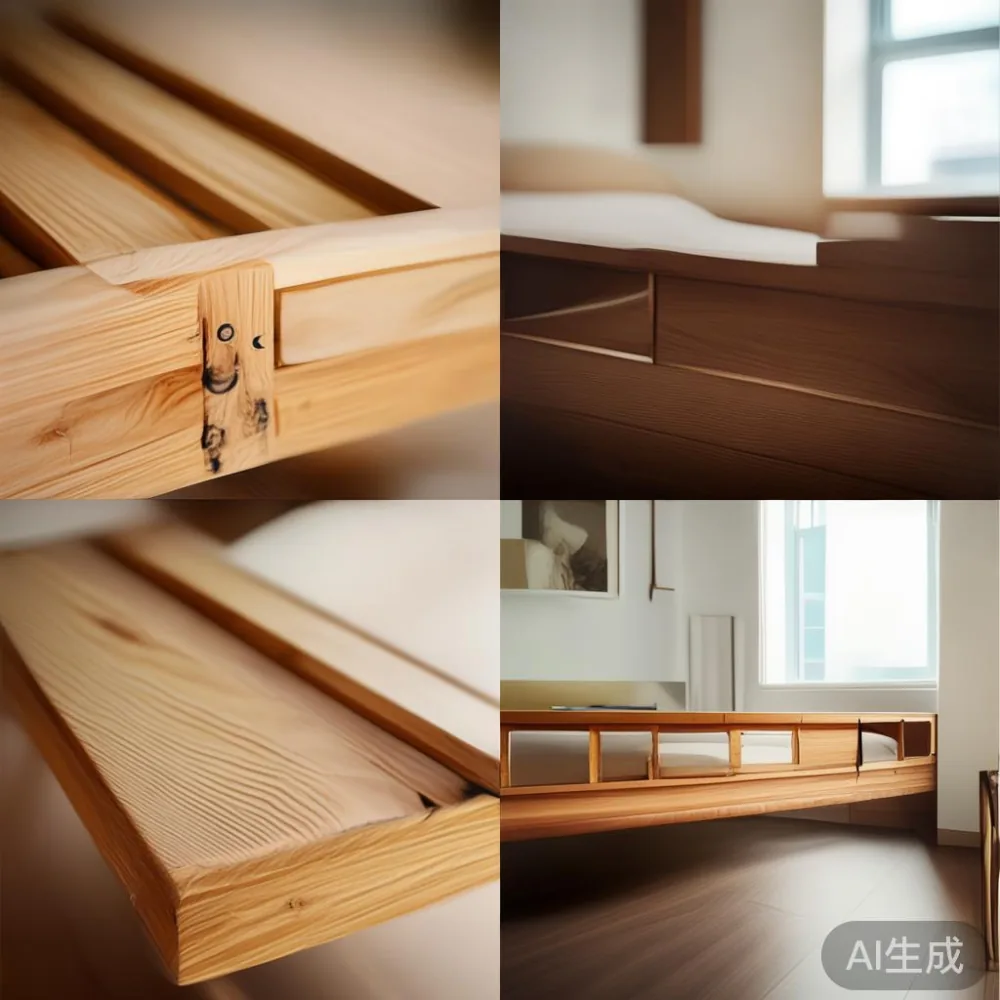
A low platform bed frame with straight lines works well when the room already contains warm materials. Light oak, natural ash and warmer brown stains reflect the natural grain without appearing stark. Choose a matte finish to reduce glare under ceiling lights. A headboard with shallow vertical panels adds texture while keeping the silhouette clean, whereas deep fluting can make a small room visually busier.
A storage bed frame may suit an HDB flat where storage is limited. Look for hydraulic lift mechanisms rated for the mattress and daily use, full-extension runners and a stable centre support. A hydraulic frame may weigh 55–75 kg for a queen configuration, while a fixed slatted frame may weigh 25–45 kg. Confirm the mechanism warranty and the loading limit in writing. Heavy lids can pinch fingers if the safety catch is not properly positioned.
For warmer, more tactile rooms, combine one solid wood element with softer materials. The bed frame could use warm walnut, while the headboard is upholstered in oatmeal or taupe fabric. Keep the remaining palette to two main neutral colours and one accent. That could be clay, muted olive or muted rust rather than several competing shades.
The comparison between an American bed vs Japandi bed often comes down to presence and detail. An American bed frame typically has a stronger architectural profile, visible rails and a more substantial headboard. A Japandi-style bed frame usually displays pale timber, low proportions and quiet joinery. Both can suit warm minimalism; the former suits larger rooms and layered bedding, while the latter works well in compact bedrooms with simple linen textures.
If you are comparing solid wood options, ask for the species, finish and construction method. Kiln-dried hardwood may cost more than a mixed-material frame, but it offers stability and repairability. MIDHILL bed frames are built around a 10-year structural warranty, with refinishing support extending over the product’s service life under the stated terms.
How should I style a nightstand beside the bed frame?
A nightstand should support the bed frame rather than compete with it. Match its height to the mattress surface: the top should be within roughly 5–10 cm of the mattress top for easy reach. A 45–55 cm-high table works with most standard bed frames, but low platform beds may need a taller surface or a wall-mounted shelf.
Choose a simple shape with one drawer, a lower shelf and enough width for a phone, water glass and a small lamp. A 40 cm-wide nightstand is often sufficient, while 30 cm is useful in tight rooms. Floating tables can preserve floor space, but installation must avoid concealed pipes and electrical conduits. In many HDB bedrooms, a slim floor-standing table is easier to reposition.
Warm minimal nightstands benefit from tactile contrast. A pale oak nightstand beside a darker walnut bed frame adds depth without extra colour. Conversely, matching timber creates a more unified look, provided each piece uses a similar stain and sheen. Avoid making the bedside lighting excessively bright; a warm 2700K bulb around 400–600 lumens is generally comfortable for reading.
Keep cords organised with a 60–80 cm cable tray or a small charging block mounted near the bed frame. Avoid trailing fabric across a floor where it may wrinkle or collect dust. If the drawer must contain small items, line it with a washable natural-fibre mat rather than adding several decorative trays.
How can a wardrobe keep the bedroom warm and uncluttered?
A floor-to-ceiling wardrobe reduces visual gaps and creates a calm architectural wall, but it requires accurate site measurements. Sliding doors need approximately 10–15 cm of operating clearance in front, while hinged doors need about 60–90 cm depending on their swing. In an HDB bedroom, a built-in wardrobe with sliding doors often protects circulation space better than wide hinged panels.
For timber finishes, match the grain direction and consider whether the bedroom should feel lighter or more grounded. A full-height wardrobe in warm white can disappear into the wall; a matching oak wardrobe becomes a quiet feature. Questions such as is French provincial wardrobe worth it are useful when considering ornate profiles, although most warm minimal rooms benefit from fewer carved details and straighter doors.
For shoppers comparing local and overseas design cues, is American wardrobe worth it depends on the internal hardware and fit. Solid timber rails, soft-close hinges and adjustable shelves are more useful than decorative handles. A queen room may need 180–240 cm of hanging space for two people with mixed clothing lengths, plus shelving for folded items. Outerwear should also have 120–140 cm of drop space when no top shelf is used.
The MIDHILL light luxury wardrobe range fits a restrained bedroom when its finish is coordinated with the bed frame. One shared timber direction and one metal finish can prevent the room from feeling pieced together. A full-length mirror on a sliding panel can reflect light without adding another freestanding object, although a mirrored surface should not point directly at the bed for practical reasons related to privacy and visual distraction.
What should the living and dining areas contribute to the bedroom’s style?
Even if the bed frame is the bedroom focus, the rest of the home should carry compatible materials and visual weight. A solid wood sofa with broad, low cushions supports a warm minimal living room, while a dining table in the same timber family ties the spaces together. Keep the sofa base close to the floor if the bed frame is low, or add a light rug to separate zones without introducing strong patterning.
A shopper asking how to choose European sofa should consider room dimensions, seat depth, frame material and maintenance before decorative shape. A European-style sofa may use detailed arms, exposed legs or softer upholstery, while an American-style sofa often has a deeper seat and a more generous scale. Neither has to be ornate. In a compact condo living room, a 220–250 cm sofa may leave only 35–45 cm between its front and a coffee table; a 160–200 cm sofa can preserve a more comfortable 45–60 cm passage.
For the dining table, allow about 60 cm per person and 90 cm behind each chair for movement. A 140–160 cm round table often works in a narrower dining zone, while a 180–200 cm rectangular table suits a wider opening. Dining furniture placed near the bedroom should not create a second focal point, so its finish can echo the bed frame subtly rather than exactly.
A marble table can provide contrast against solid wood. Use light cream or warm grey marble with soft veining and a matte or honed finish rather than a high-contrast pattern. The dining table or a compact side surface could use stone while the bed frame remains timber. This combination reflects a French light luxury approach: refined materials, restrained contrast and a small number of tactile details.
How do delivery, installation and aftercare affect the choice?
Delivery is part of the design decision, particularly in Singapore high-rise living. A bed frame delivered in several labelled components is easier to carry through a lift and along a corridor than a complete upholstered frame. Confirm the carton dimensions, total weight, assembly requirements and whether the delivery crew will carry the package to the bedroom door. Some buildings also impose a moving-in fee or require protective floor covering.
MIDHILL offers delivery on qualifying orders above US$350, equivalent to approximately SGD$470 at a broad reference rate; local Singapore pricing and checkout terms should be confirmed because exchange rates move. Standard delivery is commonly estimated at 14–28 days for in-stock configurations, while custom finishes may take 6–10 weeks. These figures are planning ranges rather than a guaranteed date, and peak periods can add time.
Returns are accepted within 14 days under the applicable product and condition rules. Furniture that has been assembled, modified or damaged after delivery may not qualify, so inspect the frame before assembly. Photograph the carton, rails, slats and headboard on arrival. Keep the packaging until the bed frame has been checked and any manufacturing issue has been documented.
Solid wood responds to humidity, sunlight and daily use. Dust with a soft, dry cloth; avoid ammonia-based cleaners and excessive water. A mild wood-specific cleaner can be used after testing in a hidden area. Mattress support, centre supports and fixing points should be checked after the first few weeks. If the surface later needs refinishing, MIDHILL’s lifetime refinishing service can help restore the appearance under its coverage terms.
What is the right budget for a warm minimal bed frame?
A practical Singapore budget for a solid wood queen bed frame may range from SGD$1,200 to SGD$3,500, depending on timber, headboard design, storage mechanism and finish. A simpler slatted frame may begin around SGD$900–1,400, while a lift-up storage model or more detailed headboard may reach SGD$2,200–4,200. Prices vary with dimensions and custom work, so treat these figures as a planning range and request a written quotation before payment.
The cost of the bed frame should be considered alongside the mattress, nightstands and delivery access. Spending on a stable frame, durable hardware and a finish suited to Singapore’s humidity generally creates more long-term value than adding several inexpensive decorative pieces. A matching nightstand may add SGD$250–650, while a small marble side table may add SGD$600–1,400 depending on stone and construction.
My own check last month at a Singapore showroom made the scale issue especially clear. I tested a queen bed frame with a 152 cm by 191 cm mattress in a room mock-up measuring 3 m by 3.2 m. The frame was 168 cm wide, and the 45 cm nightstands left only about 43 cm on each side. Moving one table to a 35 cm width immediately improved access without making the room feel empty. In another mock-up, a lifted storage bed frame weighed 68 kg; its separate side rails made transport through a 90 cm doorway much easier than one fully assembled unit.
A warm minimal bedroom works when proportion is generous even when the palette is restrained. Begin with the bed frame, measure the real room, and coordinate one timber family, one metal finish and a controlled textile palette. Let storage, circulation and access influence the layout before decoration does. The result is a bedroom that feels calm in photographs and comfortable in everyday Singapore life.