Caring for a Lacquered Bed Frame in a Singapore Tropical Climate
I learned the hard way how punishing a tropical climate can be on lacquered furniture. Last month I visited a client in a Punggol Waterway Terrace HDB flat who had placed a freshly delivered lacquered bed frame right next to a window that faced the afternoon sun. Within eleven days, the panel near the headboard showed a faint haze and the once-deep walnut tone looked almost two shades lighter at the edges. The fix was straightforward, but the lesson stuck with me: lacquer and Singapore humidity are not casual bedfellows. If you have invested in a solid wood bed frame with a piano-gloss lacquer, or you are browsing for one, this guide will walk you through what the climate actually does to that finish and how to keep it looking like new for the long run.
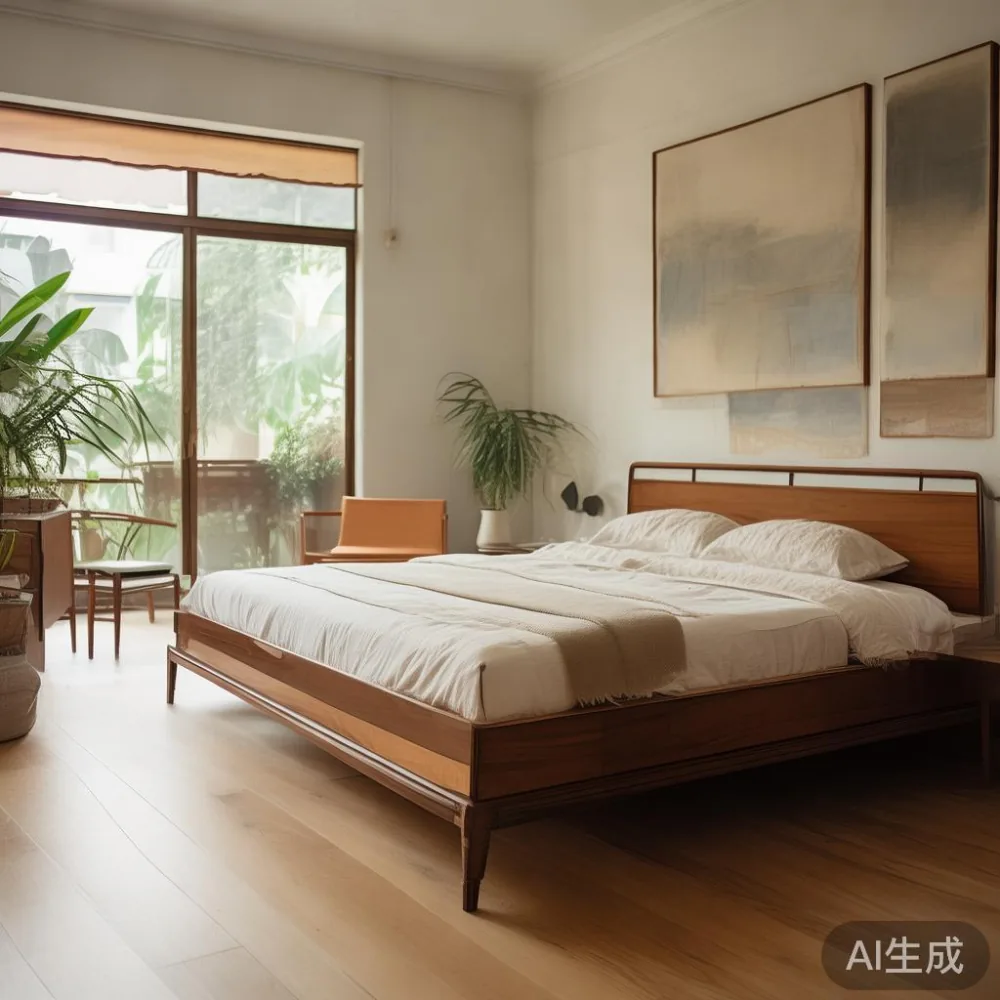
Why Singapore's Climate Is a Lacquer Finish's Toughest Opponent
Singapore sits roughly one degree north of the equator, with average relative humidity hovering between 78% and 88% for most of the year, and temperatures that swing only between about 24°C and 32°C. According to the Meteorological Service Singapore, the early-morning humidity frequently climbs past 90% in October and November. For a lacquered bed frame, those conditions mean the wood beneath the finish is constantly absorbing and releasing moisture. Lacquer itself is a film finish, typically nitrocellulose or acid-catalysed, that sits on top of the timber as a sealed skin. When the substrate swells and shrinks, the film gets stressed.
Three local factors accelerate the wear. First, the afternoon sun streaming through a west-facing window in a Tampines North five-room flat can push the surface temperature of a dark walnut bed frame above 45°C, which softens the lacquer and makes it vulnerable to marking. Second, the salty trade-wind air that drifts in from the East Coast carries fine chloride particles that dull a gloss finish. Third, the temperature difference between an air-conditioned bedroom (often set to 23°C) and the corridor outside (closer to 30°C) creates a daily micro-shock whenever the bedroom door opens. None of this is a reason to avoid lacquer; it is simply a reason to plan around it.

What Kind of Lacquer Are We Talking About?
Not all lacquer behaves the same way. Open-pore matte lacquer, which is common on Scandinavian-inspired oak furniture, lets the grain breathe and is more forgiving in humid rooms because micro-movements do not crack the surface. Closed-pore high-gloss lacquer, often seen on French light luxury and post-modern light luxury designs, looks stunning but is harder to maintain in a tropical home because any swelling of the substrate shows up as stress lines.
Here is the rule of thumb I share with clients in Bedok Reservoir and around the Bukit Timah area: the higher the gloss, the lower the tolerance. A 20% sheen satin lacquer forgives a humid week. A 95% piano gloss does not. If you are choosing a bed frame in this climate and you love the mirror-finish look, ask the maker what type of lacquer was sprayed, how many coats (a serious maker applies 5–7 coats with sanding between each), and whether a UV inhibitor was added to the topcoat. At MIDHILL, the standard bed frame ships with a multi-coat lacquer system that includes a UV-resistant sealer, which is one reason the warranty covers ten years on structure.
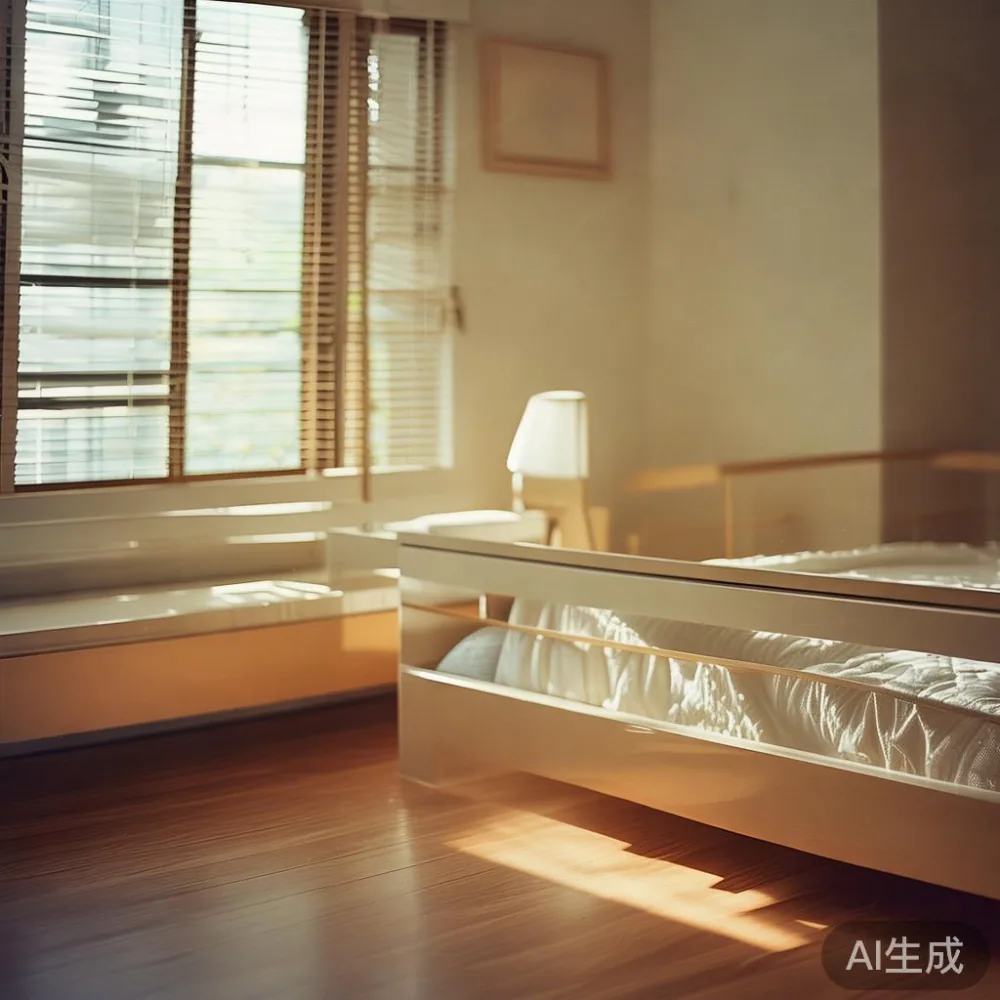
How often should I wipe down my lacquered bed frame in HDB humidity?
Weekly for the frame, monthly for a deeper clean. Use a soft microfibre cloth (around 40cm x 40cm, GSM of at least 280) lightly dampened with water and a drop of pH-neutral soap. Wring the cloth so it is barely moist, not dripping. Always wipe with the grain, then follow with a dry cloth to remove any residue. Avoid silicone-based polishes, which can build up a film that attracts humidity and dulls the gloss within weeks.
In a Punggol HDB that gets cross-ventilation from the kitchen and the service yard, I recommend a quick dry wipe on the headboard once a week because cooking vapour migrates surprisingly far. For a ground-floor unit in Bukit Batok that sits closer to the greenery, the same advice applies plus an extra check after a rainy afternoon when mould spores peak. If you spot a tacky feel on the surface, that is the lacquer sweating; dry the area immediately and consider running a dehumidifier set to 50% RH for four hours.
Positioning the Bed Frame in a Singapore Bedroom
Where you place the bed frame inside the room matters as much as how you clean it. The three golden positions in a typical Singapore bedroom are: against an interior (non-exterior) wall to avoid thermal swings, at least 60cm away from any window so rain splash and direct sun cannot reach the surface, and clear of the air-conditioner outlet so the cold airstream does not cycle onto one panel while the rest of the frame stays warm.
For a king-size bed frame measuring roughly 180cm x 200cm, you typically need at least 30cm of clearance on three sides to slide a cleaning cloth in, plus about 70cm at the foot for movement. Standard HDB master bedrooms of about 16 square metres can accommodate this comfortably, but a 12-square-metre secondary bedroom in a four-room BTO in Sengkang will feel tight. In those rooms, choose a queen (152cm x 188cm) or a super-single (107cm x 191cm) so you can still reach the side rails for wiping.
Keep the bed frame at least 5cm off the floor. Most designs sit on timber or metal legs between 10cm and 15cm tall, which allows airflow underneath and prevents the lacquer on the underside from sweating against a humid concrete screed. If you have laid vinyl over the bedroom floor, double the gap because vinyl traps more moisture than parquet or tile.
Tools and Products Worth Buying (in SGD)
You do not need a closet full of products. A practical kit that covers most situations fits in a single shoebox and costs under SGD 70 at places like HomeFix, IKEA Tampines, or the hardware shops along Geylang Road.
- Two-pack microfibre cloth set (40 x 40cm): SGD 6 to SGD 12
- pH-neutral furniture soap, 250ml bottle: SGD 9 to SGD 14
- Carnauba wax paste, 200ml tin (used once every four months for satin finishes): SGD 18 to SGD 28
- Digital hygrometer with thermometer: SGD 12 to SGD 25
- Small dehumidifier (10L/day, enough for a 15m² bedroom): SGD 160 to SGD 240, with running cost of roughly SGD 8 per month on continuous mode
Skip the silicone polishes (the popular aerosol sprays in red and gold cans), skip the olive oil trick from social media, and skip any cleaner containing ammonia. Ammonia clouds the lacquer within two or three uses, and once it clouds you are looking at a re-spray, not a wipe-down.
What About Spills, Sun, and the Occasional Knock?
Lacquer resists water better than oil finishes, but it does not love standing liquid. If you spill room-temperature water near a nightstand next to the bed frame, blot it within thirty seconds. A ring forms because the moisture penetrates through micro-pores in the topcoat and lifts the underlying stain. For coffee, red wine, or soy sauce, blot, then clean with a damp microfibre and a drop of soap. Dry within two minutes.
For direct sun, a sheer curtain that filters roughly 60% of UV is your cheapest insurance. A 1.4m-wide panel from Spotlight or a local curtain tailor in Joo Chiat costs between SGD 35 and SGD 80 per panel, custom-made. Draw it from about 11am to 3pm on west-facing windows. For deeper protection, consider 3M window film, which blocks up to 99% of UV. A 2m x 1.5m sheet installed by a local applicator runs about SGD 120 to SGD 180 and lasts ten years.
For knocks and scuffs, a touch-up pen matched to the lacquer colour (SGD 8 to SGD 18) handles the small stuff. Anything deeper than a fingernail can feel, leave it for a refinisher. MIDHILL ships every bed frame with a small tin of touch-up lacquer for precisely these moments, and their lifetime refinishing service will re-spray a damaged panel in their Foshan workshop for the cost of shipping only, which is free over US$350 (roughly SGD 480) per order.
Air-Conditioning, Dehumidifiers, and the Myth of the Glass of Water
Placing a glass of water on the bedside table does not raise humidity enough to harm a bed frame. What does matter is the dew point, which in Singapore often sits between 23°C and 26°C. If you cool the bedroom to 22°C while the walls are at 28°C, you can get condensation on lacquered surfaces closest to the air-con outlet. The fix: keep the room temperature at 24°C or 25°C, not lower, and angle the louvers so the cold air does not blow across the headboard.
Run a dehumidifier during the wettest months (November through January). Set it to 55% RH for a lacquered bed frame and 50% RH if you also keep a leather sofa in the same room. The lower humidity slows the wood's daily swelling and extends the life of the lacquer by years. Empty the tank every day or plumb it to a nearby floor drain with a SGD 12 hose kit.
A Walk-Through: Caring for a MIDHILL Bed Frame, Step by Step
Picture a queen-size solid ash bed frame in a Hougang five-roomer. The owner works from home two days a week and worries about the afternoon glare through the living-room glass doors that face the bedroom.
Day 1, delivery day. Two movers carry the flat-pack boxes (each under 30kg) into the lift, which is fine for any HDB lift with a minimum 1.1m-wide door and 1.6m-deep cabin. Assembly takes about 90 minutes for two people. They leave the cardboard sheets underneath the legs for the first 24 hours so the lacquer can acclimatise to the room before anything rubs against it.
Day 2, first wipe. A barely-damp microfibre, followed by a dry cloth. No product yet. The owner installs the 3M window film on the bedroom window, a 1.6m x 1.4m panel for SGD 140.
Week 2, position the dehumidifier in the corner opposite the bed frame. Set to 55% RH. The unit pulls 1.8 litres of water on a typical humid day, which they empty each evening.
Month 4, first wax. A pea-sized amount of carnauba on a cloth, worked into the satin panels along the grain, left to haze for ten minutes, then buffed. The whole job takes about twenty-five minutes.
Year 1, condition check. Look for hairline cracks near the joints, swelling along the bottom rails, and any dulling of the high-gloss panels. If anything looks off, the owner photographs it and sends it to the MIDHILL after-sales team, who usually reply within 48 hours and either ship a touch-up kit or schedule a refinish.
This routine costs under SGD 50 in materials per year and roughly SGD 80 in electricity for the dehumidifier. That is the price of keeping a lacquered bed frame showroom-fresh in a climate that wants to weather it.
Can I use the same routine on a lacquered dining table or wardrobe?
Yes, with two small adjustments. A lacquered dining table needs a felt pad under every hot dish (a 6cm round pad from Daiso costs SGD 2 for a pack of four) and a tablecloth during heavy meals. A lacquered wardrobe, especially a 240cm three-door unit against an HDB wall, needs the back panel checked every six months for mould because the gap between the wardrobe and the wall is the dampest microclimate in the room. Slide the wardrobe 5cm forward during the check, vacuum the dust, wipe the wall with a diluted white-vinegar solution (1 part vinegar to 10 parts water), and push it back. If you are wondering where to buy wardrobe from MIDHILL for a Singapore home, the brand ships flat-packed with a moisture-barrier back panel that already addresses this issue, which is one less chore on a humid afternoon.
What to Avoid: Common Mistakes I Have Seen Locally
Placing a rubber or latex-backed rug under a bed frame. The backing traps moisture against the lacquered underside and leaves a white bloom in six to twelve months. Use a cotton or felt rug pad instead, or none at all.
Cleaning with a wet smartphone screen wipe. Many of these contain isopropyl alcohol, which softens lacquer on contact. I saw a headboard ruined in Clementi last year because the owner wiped the panel with a phone-cleaning wipe and a cloudy handprint appeared within minutes.
Leaving a steam-iron wardrobe nearby. A Punggol client kept their standing steamer right beside the bed frame; the daily burst of steam etched a permanent ring into the side rail. Move steam devices at least 1.5m away from any lacquered surface.
Skipping the bed-frame legs. Some owners cap the legs with plastic cups to protect the floor. The cups trap moisture and rot the lacquer at the contact point. Use felt pads instead.
Matching the Bed Frame to the Rest of the Room
A well-cared-for lacquered bed frame becomes the anchor of the bedroom, so it pays to coordinate the surrounding pieces. In a typical Singapore condo master suite, pair the bed frame with a solid wood nightstand in the same finish so the colour stays consistent across the room. A marble table on the opposite wall adds a cool surface that balances the warm wood, and a small Mid-century modern TV console across from the foot of the bed keeps the room from feeling heavy. For the guest room, a Scandinavian for guest room look works especially well because the lighter tone hides any minor humidity marks that may appear during long stays away from home. If you work from home part-time and want the spare bedroom to double as a study, a Mid-century modern for office desk in the same timber tone ties the room together without competing with the bed frame.
In the living room, a Modern light luxury accent chair with brushed brass legs in the corner echoes the warm lacquer without matching it exactly, which keeps the eye moving. If you prefer a softer direction, a designer Italian light luxury furniture dining table with a stone top balances the warmer bedroom palette. And for a guest wardrobe that complements the bed frame, a MIDHILL wardrobe in the matching ash or walnut lacquer continues the line across the apartment.
Final Notes on Warranty, Returns, and Long-Term Care
Before signing off, a quick word on the commercial side. MIDHILL covers every bed frame with a ten-year structural warranty, ships free over US$350 (about SGD 480), and allows returns within 14 days of receipt for unused pieces in original packaging. Their lifetime refinishing service means that even ten, fifteen, or twenty years down the road, the lacquer can be re-sprayed in their workshop rather than the bed frame being replaced. For Singapore buyers, the typical delivery window from Foshan is 25 to 35 days by sea to a Jurong logistics hub, plus three to five days for last-mile delivery into Tampines, Bedok, or Punggol flats. Lift access in newer BTOs is usually straightforward; older walk-up blocks in Tiong Bahru or Geylang may need a staircase carry of up to six floors, and MIDHILL's delivery partner quotes SGD 60 to SGD 120 per floor beyond the second. GST is added at checkout on the Singapore site at the current 9% rate, with no hidden fees at the door.
Look after the lacquer with the routine above, position the bed frame away from sun and moisture, and you will still be enjoying that deep gloss in the next decade, even under Singapore's persistent tropical skies.