Lacquered Bed Frame Care in Singapore’s Humid Climate
A lacquered bed frame can bring quiet French light luxury to a Singapore HDB flat or condo, but tropical humidity, heat and airborne dust demand a considered care routine. Singapore’s relative humidity commonly ranges from 65% to 85%, while afternoon temperatures can reach 32°C to 34°C. Lacquer slows moisture exchange compared with unfinished timber, yet the joints, underside and edges of a solid wood bed frame still deserve close attention.
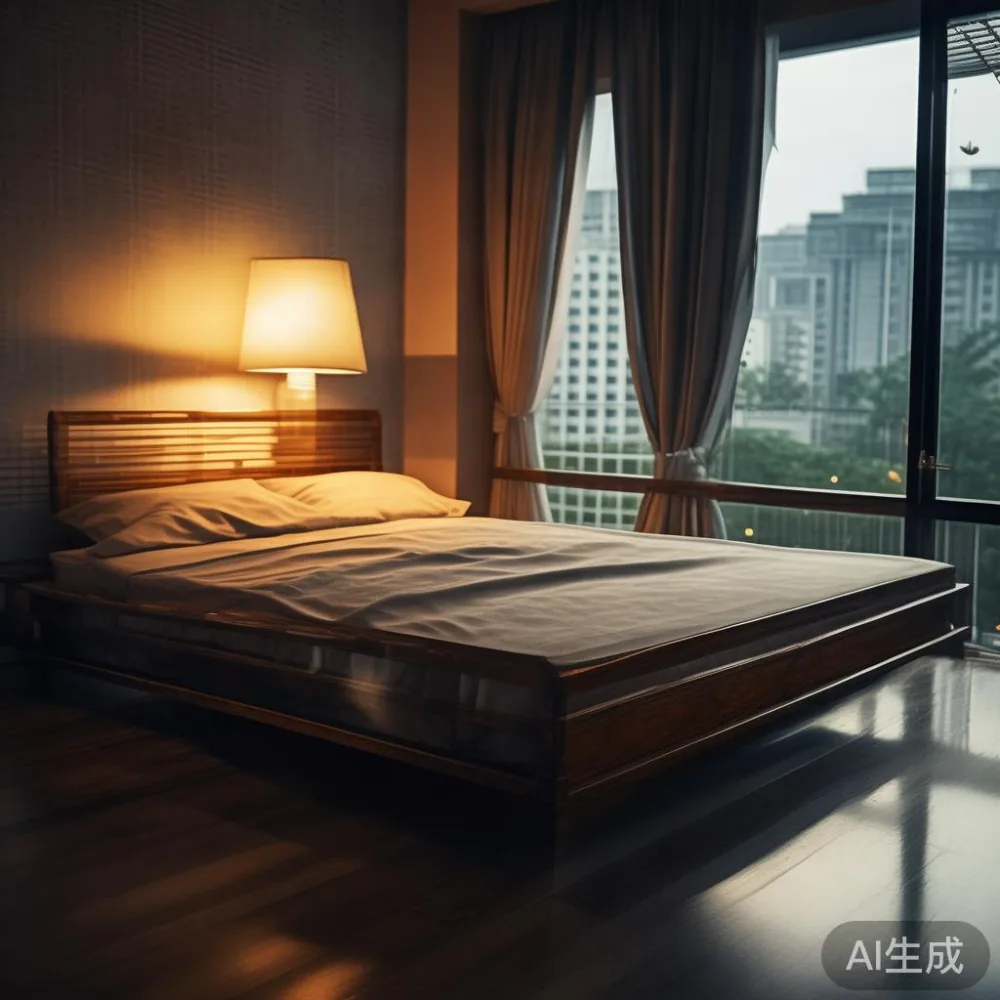
MIDHILL has been making solid wood furniture since 2008 and exports to more than 15 countries. Its lacquered bed frames combine a refined finish with a 10-year structural warranty, while refinishing support is available for the product’s working life. Local customers also benefit from free shipping on orders over US$350, equivalent to approximately SGD 465 before GST, and a 14-day return window. Delivery usually takes 7 to 14 working days after production and stock confirmation.
The following routine is designed for Singapore conditions rather than a generic showroom checklist. It uses simple measurements, low-cost supplies and habits that fit compact Tampines, Bedok and Punggol homes.

Does tropical humidity damage lacquered wood?
Yes, prolonged humidity can affect a lacquered bed frame, although good lacquer and sensible habits reduce the risk. Wood naturally expands as it gains moisture and contracts as it loses it. A lacquer film is more stable than bare wood, but repeated humidity cycles can still create fine checking around the headboard, drawer-like storage openings, feet and rail connections.
For a typical Singapore bedroom kept at 28°C to 30°C, aim for 50% to 65% relative humidity where practical. HDB flats often experience more moisture near windows, bathroom doors and shared corridors, while high-floor condos may receive stronger sunlight and warmer air. Use a digital hygrometer, available for about SGD 15 to SGD 35, and check it at bedtime and again in the morning for 7 days.
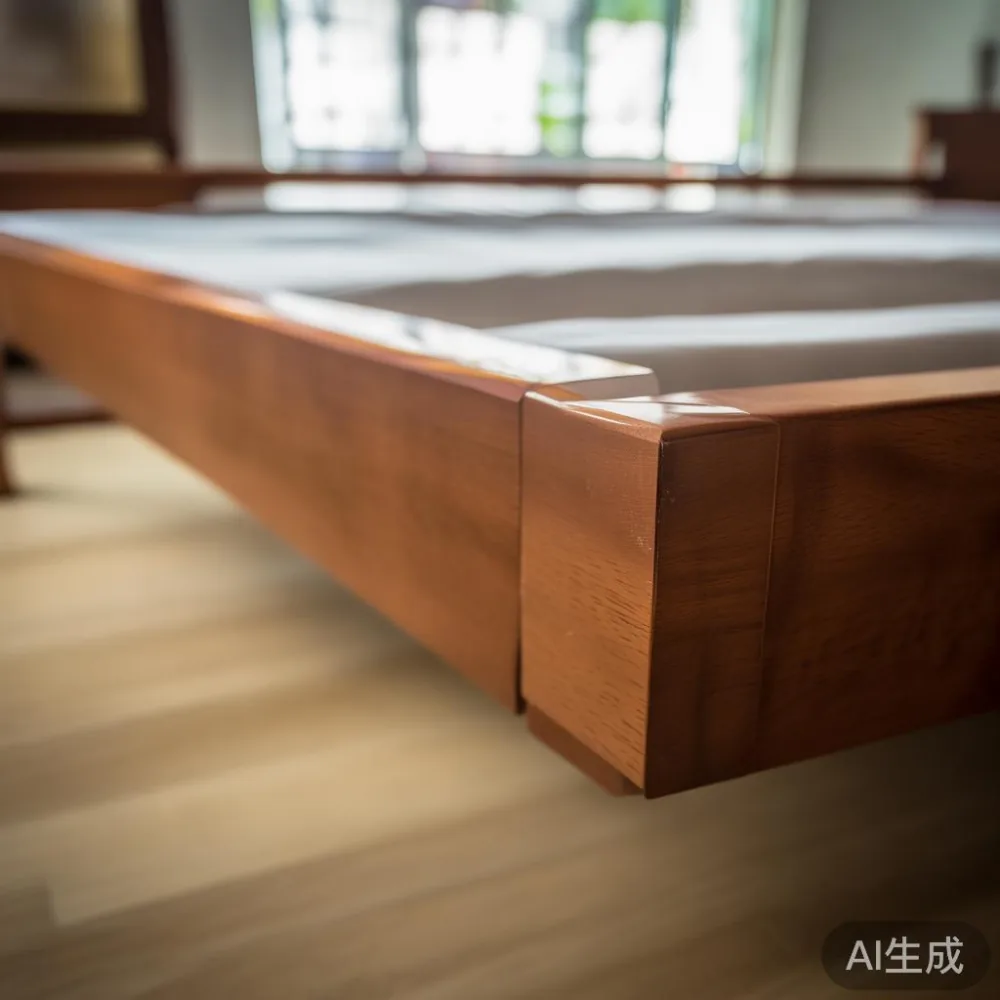
Position the bed frame at least 20 cm from a window or exterior wall where possible. Leave 5 cm to 10 cm behind the headboard for airflow, and keep it 30 cm from a bathroom doorway. In a compact HDB room, these gaps also make daily dusting easier. If condensation appears on nearby glass, adjust ventilation before treating the finish itself.
Do not assume an air-conditioner alone solves the issue. Air-conditioning controls temperature and often lowers humidity, but a room can still fluctuate quickly when doors open to a warmer corridor. Consistent airflow matters more than chasing a perfect reading with a dehumidifier every hour.
How should I clean a lacquered bed frame?
Begin with a soft microfibre cloth, preferably 30 cm by 40 cm, and dust weekly. Wipe the top rails, headboard face, footboard and visible edges with light, overlapping strokes. Avoid pressing hard into mouldings because repeated pressure can polish one area differently from the rest.
For marks, use a separate cloth barely damp with diluted pH-neutral dish detergent. Mix about 5 ml of detergent with 500 ml of lukewarm water, then test the solution on a hidden 5 cm by 5 cm area near the rear leg. After wiping, dry the surface immediately with a clean cotton cloth. Never flood joints or allow water to sit for more than 60 seconds.
Take extra care around caster screws, floor contacts and any storage cavities. A spray bottle fitted with a fine mist nozzle is useful, but do not spray directly onto the lacquer. Keep at least 30 cm between the nozzle and the bed frame. This precaution matters because lacquer can trap moisture under its skin, producing haze or a dull bloom.
Clean every 1 to 2 weeks during humid periods, and monthly when air-conditioning keeps the room consistently dry. Dust in Singapore often carries fine grit that can scratch a polished film if dragged across it. A dry cloth may leave fibres; a lightly damp cloth removes the particles more completely. Change the washing cloth after every 4 uses so trapped grit is not transferred back onto the finish.
What should I avoid on a lacquered finish?
Avoid silicone furniture sprays, ammonia cleaners, acetone, nail-polish remover, alcohol-based wipes and abrasive pads. These products can soften, cloud or strip lacquer. Also skip conventional oil polishes on the coated surfaces. Although a little original wood oil may suit exposed end grain, it can make lacquer reflect light unevenly and attract dust.
Do not place hot pans, hair straighteners, electric kettles or heated styling tools directly on the headboard. A mattress topper can reduce heat transfer, and a 10 cm-wide barrier is safer than a loose towel. Keep drinks in stable containers at least 15 cm from the lacquer. A coaster with a 10 cm diameter is adequate for a typical water glass, but larger vessels need a broader mat.
Be cautious with insect-repellent sprays and mosquito coils. Apply them to surrounding walls or designated electrical devices rather than the bed frame, and allow the room to ventilate for 15 to 30 minutes before sleeping. A mosquito net can prevent bites without exposing lacquer to oily repellents.
Children’s sunscreen, coloured pens and sticker residue also deserve attention. Remove adhesive gently with a clean cloth and a small amount of cooking oil, then wipe away any oily residue using the diluted detergent method. Test first, because some pigmented marks can still require professional care.
How can I prevent mould, mildew and swelling?
Control the room before treating the furniture. Open a window or run the air-conditioner for 20 to 30 minutes after showering, then keep doors closed while the bedroom remains cool. Use an exhaust fan in an ensuite bathroom, and dry wet slippers outside the bedroom rather than placing them beside the bed frame.
Maintain 5 cm of clearance beneath refined storage if your model includes it, and check the underside monthly for dark spots, musty smells or dampness. A 10 cm gap between the bed frame and surrounding furniture allows inspection without creating a hidden dust trap.
For an HDB unit near a busy common corridor, clean the door seals and nearby floor because tracked moisture can enter the bedroom. Keep new flooring and skirting dry for 48 hours after wet mopping. Carpet runners should be lifted and aired rather than left compressed beneath a footboard for days.
Dehumidifiers can help during long periods of high humidity. A model rated for 10 to 20 litres per day is suitable for many 10 to 15 square metre bedrooms, although actual capacity depends on temperature and ventilation. Set the target between 55% and 65%, place the unit at least 30 cm from walls, and empty the tank every 2 to 3 days. Running a dehumidifier with a closed room may lower humidity too quickly and cause timber to shrink, so gradual control is preferable.
Look for mould early. A musty smell often appears before visible spotting. If black or green specks emerge, stop using the affected area and contact a lacquer specialist. Do not scrub mould aggressively, because spores can spread. Isolate the item, photograph the affected 10 cm section and seek advice within 48 hours.
How often should lacquer be inspected and renewed?
Inspect the lacquer every 3 months, with more frequent checks during the first year after delivery. Look at the top rail, headboard edge, footboard face and any area near joints under a 10-watt LED inspection light held 20 cm away. Good lighting reveals clouding, scratches and moisture changes that are hard to see in a dim bedroom.
Minor dust lines can usually be removed with a clean microfibre cloth. Hairline scratches often need only a polishing compound approved for the lacquer type, used sparingly on a 10 cm by 10 cm pad. Deep splits, lifting edges or flaking patches are different issues and should not be polished at home.
Ask the supplier which lacquer system was used before applying any product. Water-based and solvent-based lacquers may respond differently to cleaners and polishes. If the finish is no longer under warranty, a qualified refinisher can usually treat isolated scratches without stripping the whole bed frame.
MIDHILL offers lifetime refinishing support, which makes early reporting particularly useful. Photograph each issue with a ruler beside it, record the room’s humidity reading and send the details to the company. Structural problems should be separated from surface issues. A 10-year structural warranty covers eligible construction concerns, while lacquer appearance may fall outside that scope; written confirmation is the safest guide.
Is a lacquered bed frame suitable for an HDB or condo?
A lacquered bed frame suits both settings when the finish and dimensions suit the room. A queen bed with a 160 cm by 200 cm mattress generally needs 170 cm by 210 cm of floor space, but a wider frame may require 180 cm by 220 cm. Measure the lift doors, corridors and turning points before ordering.
Many older HDB lift openings measure around 80 cm to 90 cm wide, with internal depths of about 130 cm to 150 cm. A disassembled frame with long components may pass one turn but fail another. Provide MIDHILL with the building’s lift dimensions if delivery is arranged through a freight carrier. For condo access, also measure security gates, parking-approach ramps and the shortest route to the bedroom door.
Leave 60 cm of clear walking space beside the bed where possible. In a compact Bedok flat, a slim frame with rails no deeper than 5 cm can preserve visual lightness; in a larger Tampines or Punggol condo, a low-profile post-modern light luxury design can complement modern Mid-century modern furniture without overwhelming the room.
Finish selection also affects care. Deep matt lacquer hides fingerprints but can show dust texture, while gloss or soft-sheen lacquer reflects marks and fingerprints. French light luxury styling often uses warm natural timber and pale lacquer, while American light luxury tends toward cleaner lines and upholstered accents. Compare a light luxury sofa vs French provincial sofa to understand how curves and carved details affect visual maintenance in a humid room.
If storage is the priority, examine drawer travel, shelf loading and ventilation. Searches for Italian light luxury with storage often focus on furniture that needs to function as neatly as it looks, but a solid wood bed frame should have fittings that can be serviced and openings that do not trap moisture. The same disciplined approach applies to a marble table, dining table or wardrobe nearby: stable surfaces and sensible clearances reduce stress in the whole room.
How do I choose European bed styles that suit Singapore?
When considering how to choose European bed designs, begin with the mattress, room and climate rather than the country label alone. A European-inspired platform frame can work well if it has adequate ventilation beneath the slats and enough clearance from walls. Slats should sit no more than 5 cm apart under a standard mattress, with the frame engineered to prevent sagging.
For 2026 buyers researching the best French sofa for 2026 for a related living room, note that delicate detailing and pale finishes require the same humidity discipline. Searches for under 2000 Minimalist furniture may surface a SGD 1,850 dining table before GST, but a bed frame should be judged by joinery, finish quality and warranty rather than price alone. A solid wood sofa or solid wood dining table can provide useful style references without pulling attention away from the bed.
French-inspired headboards often have gentle curves or carved details. Use a soft brush with 10 mm bristles to clean narrow grooves, then finish with a barely damp cloth. American light luxury styling usually offers simpler surfaces that are easier to maintain. Post-modern light luxury can combine clean geometry with warmer timber tones and suits both HDB interiors and newer condos.
Before delivery, photograph the lacquer under normal daylight and artificial light, and check the packaging against the room. Inspect for moisture, impact marks and loose components. Allow the frame to acclimatise for 24 to 48 hours in its final position if it came from a noticeably cooler environment, but remove all plastic and cardboard immediately so trapped moisture does not remain beneath the frame.
What is a practical tropical-care routine?
A weekly 10-minute routine is enough for most lacquered bed frames in Singapore. Dust with a dry microfibre cloth, wipe accessible areas with the diluted detergent solution, and dry immediately. Check the humidity reading once a week and after heavy rain. Keep 30 cm from windows, 5 cm to 10 cm behind the headboard, and 15 cm between drinks and lacquer.
Every month, inspect the underside, joints and storage openings with a flashlight. Every 3 months, review scratches and lacquer gloss under neutral light. Reapply an approved surface treatment only when wear becomes visible. Avoid building a layer of multiple “renewers,” because incompatible products can create patchiness.
Delivery to most Singapore addresses takes 7 to 14 working days after dispatch, though building access can add 1 to 3 days. The 14-day return period gives owners time to check the bed frame in their own space, provided protective packaging is retained. Orders above US$350 qualify for free shipping, while GST is added at checkout according to the prevailing rate.
With controlled humidity, careful cleaning and prompt attention to damage, a lacquered bed frame can retain its depth and smoothness through years of tropical use. A clear routine, measured room and informed supplier support make the difference between a finish that ages gracefully and one that merely survives.