The True Cost of Comfort: Veneer vs Solid Wood Bed Frames Over Five Years
In Singapore's urban landscape where space comes at a premium and quality matters, choosing the right bed frame involves more than just aesthetics. For residents in Tampines, Bedok, and Punggol HDB flats and condos, working through the narrow corridors and standard lift dimensions (typically 110cm x 110cm) requires careful consideration of furniture dimensions and durability. This article examines the financial implications of veneer versus solid wood bed frames over a five-year period, factoring in Singapore's 9% GST, delivery logistics, and long-term value.
What's the Real Difference Between Veneer and Solid Wood Bed Frames?
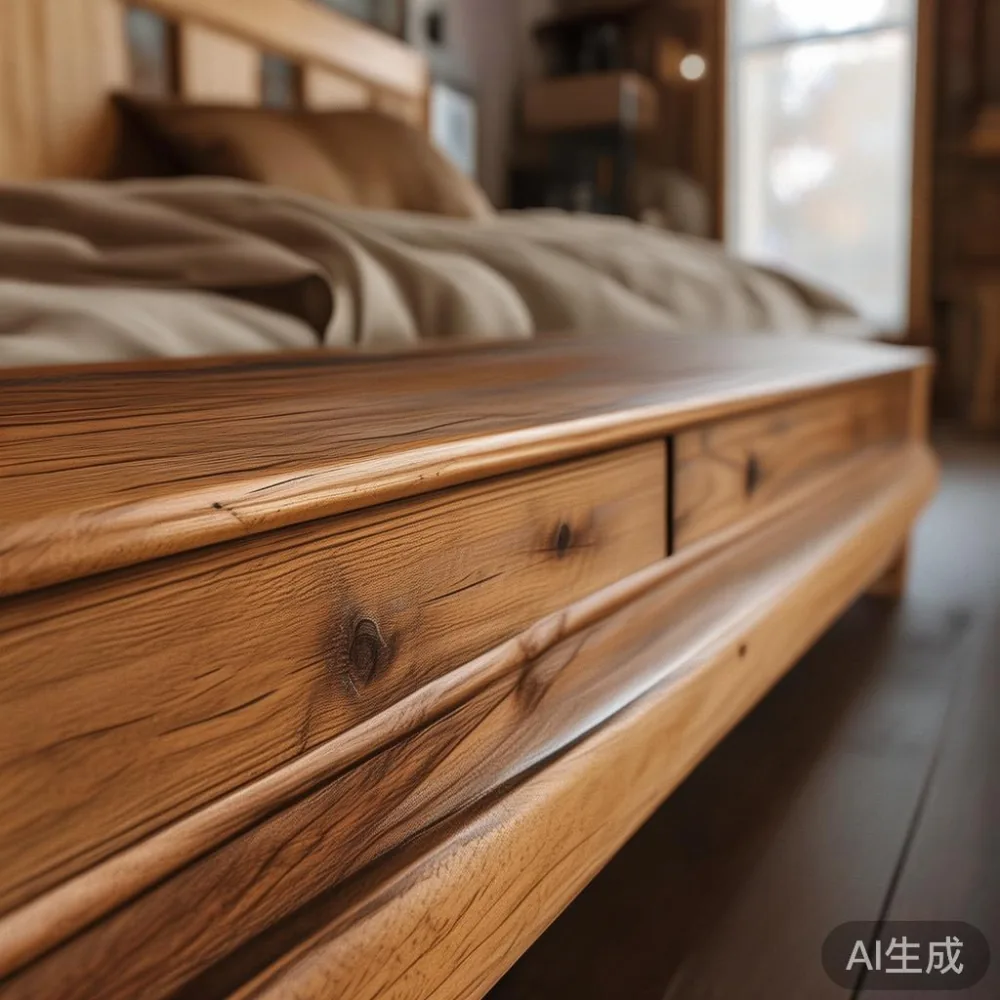
A veneer bed frame consists of a thin layer of real wood bonded over a composite or plywood core, typically ranging from 3-5mm in thickness. These frames often weigh between 40-60kg for a queen size and measure approximately 160cm x 200cm x 110cm. In contrast, a solid wood bed frame is crafted from a single piece of wood or solid wood components, with weights ranging from 70-100kg for the same dimensions. Solid wood frames maintain consistent dimensions throughout, while veneer frames may show slight variations due to the composite base.
Last month, I visited MIDHILL's Singapore showroom to test their solid oak bed frame firsthand. The craftsmanship was evident in the smooth finish and sturdy construction. The sales representative explained that their frames undergo a 45-day curing process to ensure stability in Singapore's humid climate, where humidity levels average 75-85% year-round. This attention to detail prevents the common warping issues seen in poorly constructed frames.
Initial Investment: Purchase Price and Delivery Costs
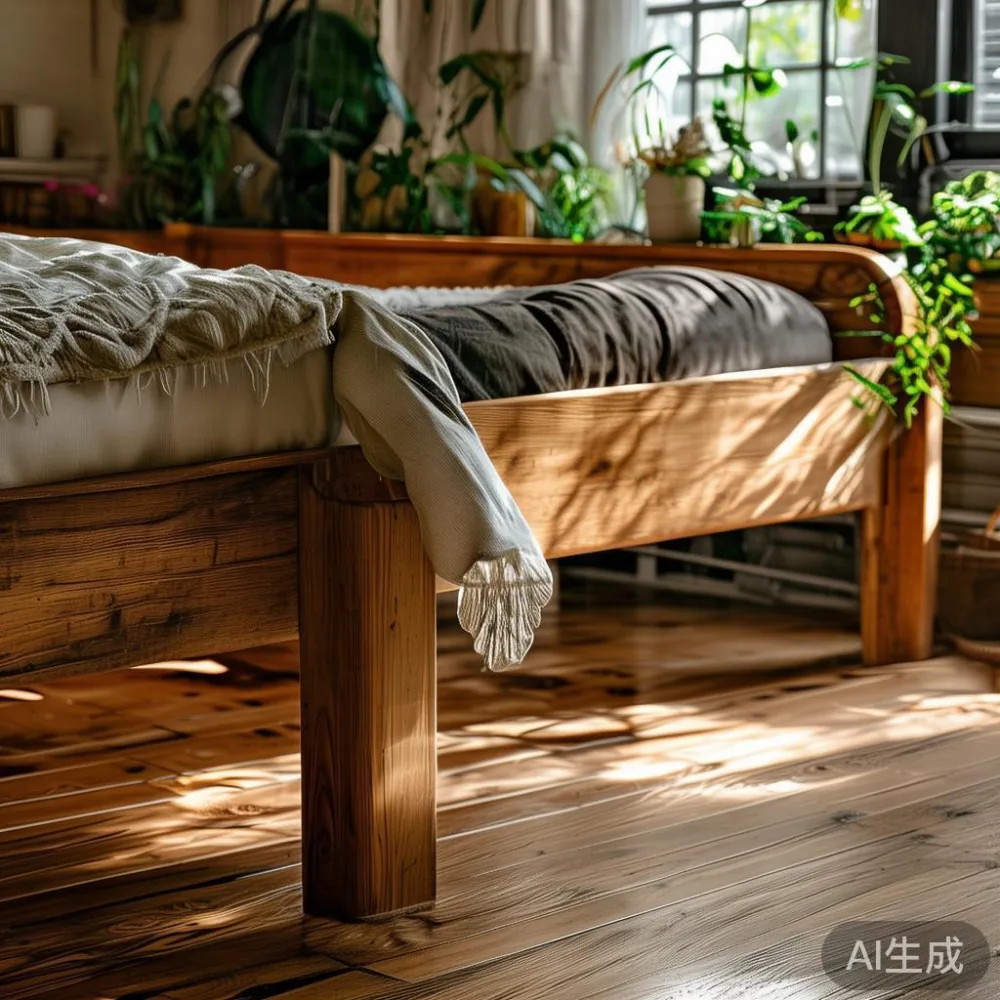
The upfront cost represents the first financial consideration. A quality veneer bed frame in Singapore typically ranges from SGD 800 to SGD 1,500 for a queen size, while solid wood options start at SGD 2,500 and can reach SGD 5,000 or more. The price difference reflects material quality, construction methods, and longevity.
Delivery presents another expense. Most Singapore furniture companies charge SGD 50-100 for standard delivery within the island, with an additional SGD 30-50 for each floor above ground level. For residents in HDB flats with narrow corridors (typically 120cm wide) and standard door openings (80cm), delivery becomes a logistical consideration. Some providers offer white-glove service for SGD 150-250, which includes assembly and placement in the bedroom.
MIDHILL provides complimentary shipping for orders above SGD 350, with delivery typically taking 7-14 business days to Singapore addresses. Their packaging includes protective corner guards and custom foam inserts to prevent damage during transit through Singapore's sometimes challenging weather conditions.
How Do Maintenance Costs Differ Over Five Years?
Maintenance represents where the financial divergence becomes most apparent. Veneer bed frames require careful handling to prevent chipping or peeling. Regular cleaning with a soft, dry cloth is recommended, with occasional application of specialized wood polish costing SGD 25-40 per bottle. In Singapore's humid climate, veneer frames may develop bubbles or peeling within 2-3 years, requiring professional repair at SGD 150-300 per session.
Solid wood bed frames, while initially more expensive, prove more resilient. They can be sanded and refinished multiple times. A professional refinishing service costs SGD 400-800 depending on the wood type and complexity. For homeowners in Singapore, where air conditioning runs frequently, solid wood's natural ability to withstand humidity changes makes it a practical choice. The 10-year structural warranty offered by many solid wood manufacturers provides peace of mind against issues like cracking or joint separation.
When considering how to style American bed in room settings, solid wood offers more flexibility for customization. Its ability to be stained or painted allows homeowners to adapt the bed frame to changing interior design trends without replacement costs.
What About Repair Costs When Things Go Wrong?
Repair expenses can significantly impact the five-year cost of ownership. Veneer frames are prone to damage from Singapore's high humidity and temperature fluctuations. Common issues include edge chipping, surface bubbling, and delamination. Repairing these issues typically costs SGD 200-400 per incident, with multiple repairs likely over five years.
Solid wood frames, while not immune to damage, offer more repair options. Minor scratches can be addressed with touch-up kits costing SGD 30-60. More significant damage might require professional repair, but the material's integrity allows for more extensive restoration. Many solid wood manufacturers offer lifetime refinishing services, potentially eliminating future repair costs after the initial purchase.
For residents in Singapore's older HDB flats with less climate-controlled environments, solid wood's resistance to warping and cracking proves advantageous. The natural expansion and contraction of solid wood in response to humidity changes prevent the structural issues common in veneer products.
Resale Value After Five Years
One often-overlooked aspect of cost analysis is resale value. After five years, a veneer bed frame typically retains only 15-25% of its original value in Singapore's secondhand market. This depreciation results from visible wear, changing design trends, and the perception of lower quality.
Solid wood bed frames fare significantly better, retaining 40-60% of their original value after five years. The material's timeless appeal and durability make it more attractive to secondhand buyers. In Singapore's property market, where homeowners frequently relocate or renovate, having furniture that holds value provides financial flexibility.
The Japanese bed vs Italian light luxury bed comparison reveals interesting resale patterns. Japanese minimalist designs maintain value due to their enduring aesthetic, while Italian light luxury pieces command premium prices in the secondhand market. For Singapore homeowners seeking both style and investment value, these options present compelling alternatives to traditional veneer products.
Is a Solid Wood Bed Frame Worth the Extra Investment?
When evaluating the total five-year cost, solid wood bed frames often prove more economical despite higher initial prices. Considering Singapore's climate and living conditions, the additional investment typically pays for itself through reduced maintenance, fewer repairs, and better resale value.
For a queen size bed frame, the five-year total cost breakdown might look like this:
Veneer option:
- Initial purchase: SGD 1,200
- Delivery: SGD 80
- Annual maintenance: SGD 60 (polish)
- Repair costs (years 2-5): SGD 600
- Resale value (year 5): SGD 180
- Total cost over five years: SGD 1,760
Solid wood option:
- Initial purchase: SGD 3,500
- Delivery: SGD 80 (covered by free shipping for orders over SGD 350)
- Annual maintenance: SGD 30 (occasional polish)
- Repair/refinishing (year 5): SGD 500 (optional)
- Resale value (year 5): SGD 1,750
- Net cost over five years: SGD 2,360
While the solid wood option appears more expensive initially, the difference narrows significantly when considering resale value. The additional SGD 600 over five years represents a premium for superior quality, longevity, and aesthetic appeal.
What About Light Luxury Options for Singapore Bedrooms?
Light luxury furniture has gained popularity among Singapore homeowners seeking refined design without extravagant costs. French light luxury bed frames, characterized by their elegant proportions and subtle ornamentation, typically cost SGD 4,000-8,000. These pieces combine solid wood construction with refined detailing, creating a sophisticated focal point for bedrooms.
When comparing light luxury sofa vs French provincial sofa options, the distinction becomes apparent in the design philosophy. French provincial emphasizes rustic charm with elegant curves, while light luxury focuses on clean lines with premium materials. For Singapore homes where space is limited, the more streamlined light luxury approach often proves more practical.
For those considering Rustic for dining room aesthetics, the same principles apply to bedroom furniture. Solid wood bed frames in rustic styles offer authenticity and durability that veneer alternatives cannot match. The natural grain variations and handcrafted details create a unique character that develops character over time.
When evaluating is Mid-century modern sofa worth it questions, homeowners should consider similar factors for bed frames. Mid-century designs, with their clean lines and functional forms, have maintained popularity for decades. A solid wood mid-century bed frame can transition between design eras while maintaining its structural integrity.
Budget Considerations: Under 2000 Mid-century Modern Furniture Options
For Singapore homeowners working with tighter budgets, quality under 2000 Mid-century modern furniture options exist. Many manufacturers offer veneer mid-century bed frames at this price point, typically costing SGD 1,200-1,800. While these pieces capture the aesthetic of mid-century design, they may not offer the same longevity as solid wood alternatives.
Budget-conscious consumers might consider a hybrid approach: investing in a solid wood bed frame while opting for veneer pieces for less frequently used furniture. This strategy maximizes value in areas where durability matters most.
MIDHILL offers several solid wood options under SGD 2,000, particularly in their more compact designs suitable for Singapore's standard bedroom sizes (typically 3m x 4m). These frames provide the benefits of solid wood construction without premium pricing.
Final Considerations for Singapore Homeowners
When selecting a bed frame for Singapore homes, several practical factors influence the decision. Standard HDB bedroom door openings measure 80cm x 200cm, requiring bed frames that can be disassembled for entry. Most solid wood frames come with detachable side rails or headboards to facilitate this process.
Singapore's climate presents unique challenges. The combination of high humidity (75-85% year-round) and frequent air conditioning creates an environment where wood expands and contracts. Solid wood bed frames, with their natural ability to adapt to these changes, outperform veneer alternatives which may crack or delaminate.
For homeowners in Punggol's newer waterfront developments or Bedok's established neighborhoods, the choice between veneer and solid wood may depend on lifestyle factors. Those planning to stay in their current home for many years benefit more from solid wood's longevity, while frequent movers might prefer the lower initial cost of veneer.
When making this significant investment, homeowners should consider their long-term plans. For those who anticipate staying in their current home for 10+ years, the additional upfront cost of solid wood proves worthwhile. For those who move frequently or plan to upgrade within five years, veneer may present a more economical option.
For specific product inquiries or to arrange a showroom visit, interested customers can contact midhillco@gmail.com to discuss their requirements with the design team. Many Singapore homeowners appreciate the opportunity to test furniture in person before making such a significant investment.
The decision between veneer and solid wood bed frames ultimately depends on individual priorities, budget constraints, and long-term plans. For Singapore homeowners seeking quality, durability, and timeless appeal, solid wood represents a sound investment that pays dividends over time.