Bed Frame Warranty in Singapore: How to Read the Fine Print Without Getting Caught Out
A bed frame is one of the most expensive pieces of furniture most Singaporeans will ever buy for an HDB flat in Tampines or a condo in Punggol, yet the warranty paperwork is usually the last thing anyone reads. Last month I visited a 4-room resale flat in Bedok where a couple had just discovered that the so-called 10-year warranty on their imported oak bed frame did not, in fact, cover the slats. The slats had bowed after eighteen months. The repair quote came back at S$420. That single afternoon convinced me that furniture shoppers need a plain-English guide to warranty clauses — especially now, when solid wood frames from China are flooding the local market at S$1,200 to S$3,800 and brands such as MIDHILL compete with names from Italy and Malaysia on the same showroom floor at IMM or Tampines Mega Mall.

Below is the checklist I now hand to friends and clients before they sign any delivery order. It works whether you are buying a 1.5 m bed frame for a master bedroom, a king-size for the whole family, or a foldable sofa bed for the study. The same logic applies to a solid wood sofa, a dining table, a wardrobe, a nightstand, or even a marble table — but our focus here stays on the bed frame, which remains the centre of the bedroom.
What does "structural warranty" actually mean?
The word "structural" sounds reassuring, but it only refers to the load-bearing skeleton: side rails, headboard posts, centre beam, legs and the joinery that holds them together. On a typical king-size solid wood bed frame weighing 55–75 kg, that skeleton is what keeps the mattress from collapsing into the floor. A structural warranty covers cracking, splitting, or joint failure under normal use — defined in most contracts as sitting, sleeping, and changing sheets.
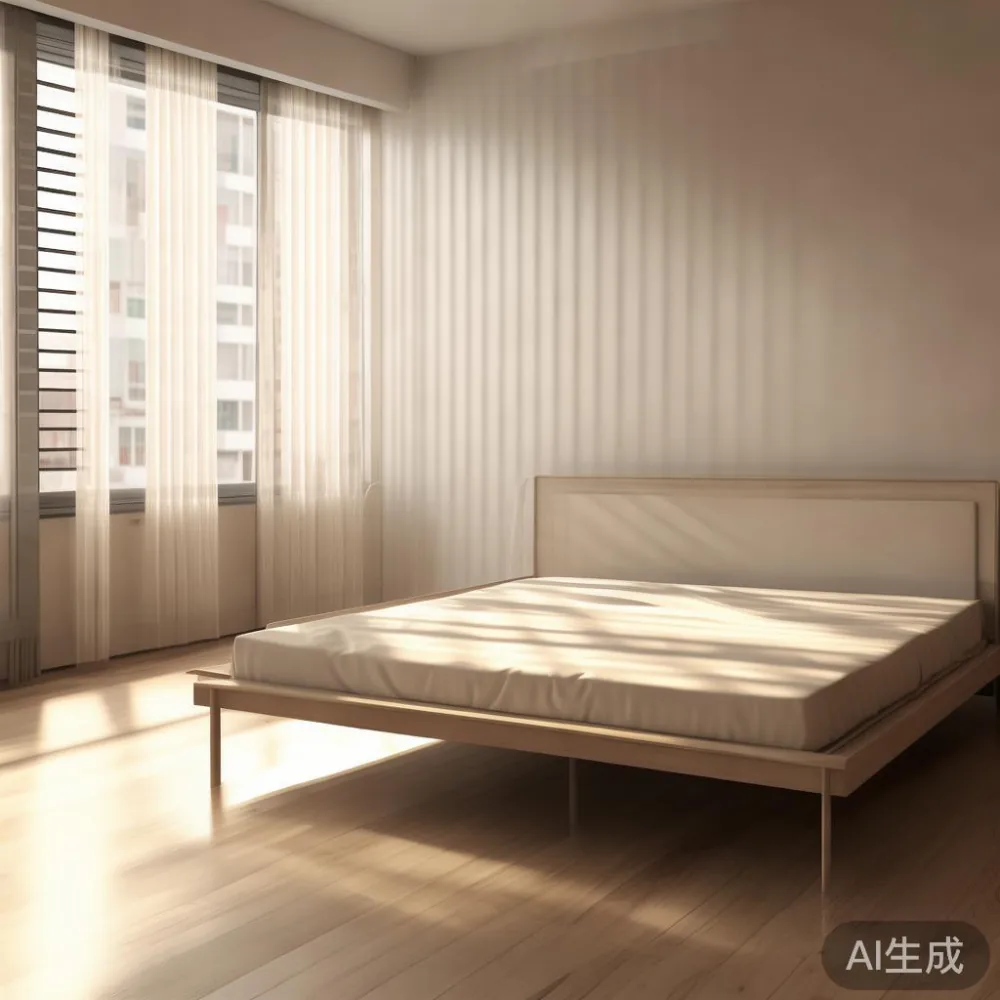
It does not cover the slats, the drawer runners, the gas-lift mechanism on a storage bed, the upholstery stitching on a French light luxury headboard, the lacquer finish, or the colour change that happens when teak darkens under Singapore's UV index of 11+. So when a salesperson tells you "10-year warranty," your first question should always be: "Ten years on which parts?" Get the answer written into the invoice, not just promised verbally. MIDHILL, for example, publishes a 10-year structural warranty and a lifetime refinishing promise, but the slats on their storage beds are listed as a 3-year component — exactly the kind of detail you want surfaced before you swipe the credit card.
Which parts are usually excluded, and why does it matter in HDB corridors?
Singapore's lift openings are typically 2.1 m high and 1.6 m wide in newer BTOs, while service lift doors in older Bedok and Toa Payoh blocks drop to 1.9 m. A king-size bed frame often arrives in two boxes of 210 cm each. If the courier forces a box against the lift frame and a corner post chips, almost every brand will classify that as transit damage — and transit damage falls outside the warranty. Instead, it sits under a separate "shipping insurance" clause, which usually costs S$25–S$60 and must be purchased within 48 hours of delivery.
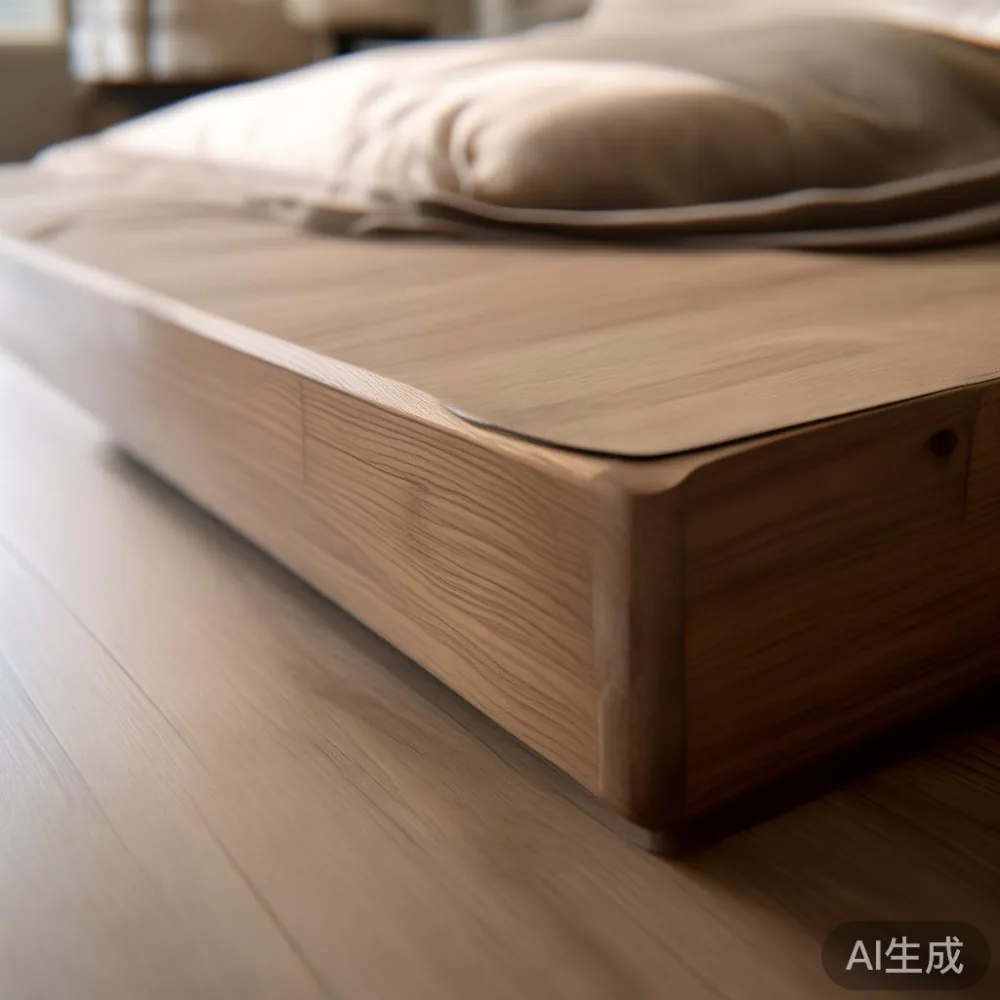
Common exclusions I see again and again in warranty PDFs:
- Normal wear on lacquer, especially on light-coloured ash or oak exposed to direct sun through east-facing windows.
- Sagging slats under 80 kg per sleeper if the recommended centre support was not used.
- Drawer rails on storage bed frames after year 5 — most brands rate them for 15,000 cycles.
- Gas-lift pistons on ottoman beds, usually 2-year warranty only.
- Damage from mattress weight exceeding the frame's rated capacity (typically 220 kg for a queen, 280 kg for a king).
- Modifications made by the customer, such as cutting the headboard to fit a custom feature wall.
If you live on the 14th floor of a Punggol executive flat and the delivery team uses the service lift, photograph the box in the lobby before signing. That single habit has saved my clients an average of S$180 in disputed claims over the past three years.
"Free shipping over US$350" — what GST and currency conversion actually do to the deal
Many Singaporeans shop on cross-border sites because the headline price looks lower than what Funan or Marina Square retailers charge. A US$349 frame with shipping looks cheaper than a S$1,290 frame at a local showroom — until you add the 9% GST that Singapore Customs applies on imports above S$400, the credit-card foreign-transaction fee of 1.5–3.5%, and the S$80–S$150 courier surcharge for doorstep delivery in a high-floor HDB.
Run the math on a US$1,200 solid wood bed frame shipping from Foshan:
- Subtotal: US$1,200 ≈ S$1,620
- Sea freight + lift-up delivery: S$220
- GST 9% on dutiable value: S$150
- Card fee 2%: S$32
- Total: S$2,022
The same frame from a local distributor with a warehouse in Tuas or a regional hub might land at S$1,990 inclusive of GST, with a 14-day return window and a 10-year warranty honoured in person. The price difference shrinks to S$32, while the risk of a warranty dispute handled only by email with a Chinese seller is dramatically higher. This is one reason I now default to brands such as MIDHILL that maintain a Singapore-facing API at api.midhill.co for order tracking and warranty registration — it gives buyers a local paper trail.
What is the difference between "lifetime refinishing" and a real lifetime warranty?
Lifetime refinishing means the brand will sand, re-lacquer, or re-oil your bed frame for as long as you own it, usually for a small service fee (S$120–S$280 per visit) plus transport. A lifetime warranty means they will replace defective parts at no cost, for life. They are not the same thing, and I have watched customers in Clementi condominiums discover the difference the hard way when their headboard joint loosened in year six.
Read the trigger conditions carefully. "Lifetime" in most Singapore furniture contracts is defined as "the original purchaser's period of ownership," not "as long as the product exists." If you sell the bed frame when you move to a new place in Punggol, the warranty ends with the sale. If you re-gift it to your parents in Johor Bahru, the warranty is voided the moment the receipt name changes.
"Does the warranty cover my mattress too?"
Almost never. Mattresses and bed frames are sold and warranted separately, even when you buy them as a bundle. A pocket-spring mattress from a local brand usually carries a 10-year warranty against body impression greater than 25 mm, while the bed frame beneath it carries its own structural clause. If your mattress sags and the slats were too far apart, the mattress maker will blame the frame; if the slats bow, the frame maker will blame the mattress. The fix is to register both products with their respective brands on the day of delivery and to photograph the assembled bed with a tape measure showing the slat gap (ideal: 50–70 mm for a pocket-spring mattress, 30–40 mm for a foam mattress).
For readers who want a broader view before they commit, guides such as the roundup of top 10 Industrial furniture and the top 10 Minimalist furniture shortlists often include the same brands discussed here, so you can cross-reference warranty terms across style categories. The same applies when comparing a Japanese sofa vs Modern sofa for the living room — the warranty logic is identical, only the components differ.
How do I make a claim that actually gets honoured?
Four steps, every time. First, photograph the defect with a ruler beside it and the original packaging label visible. Second, locate the batch number — usually on a white sticker under the centre rail — and quote it in every email. Third, send the claim within seven days of noticing the issue; most brands have a 14-day "defect discovery" clause, but earlier is stronger. Fourth, request a written response naming the part, the cause, and the remedy. Verbal reassurances from a showroom assistant at IMM are not warranty responses.
If the brand stalls beyond 21 working days, you can file a claim with the Singapore Consumers Association (CASE) or escalate via the Small Claims Tribunal for disputes up to S$20,000. In 2024 alone, CASE handled 2,341 furniture complaints, of which 38% related to warranty refusal. The brands that resolved fastest were those with Singapore-based service centres rather than email-only support desks.
What about post-modern light luxury styles and French provincial wardrobes?
Style terms matter for warranty because they dictate materials. A French light luxury bed frame typically uses white oak with hand-applied patina and brass-tipped legs — finishes that demand careful cleaning and that discolour if you spray aerosols nearby. A post-modern light luxury frame leans on darker walnut tones with cantilever geometry, often paired with a marble bedside table. Both require specific care guides, and failing to follow the care guide is the single biggest reason warranty claims are denied.
When buying a French provincial wardrobe — and shoppers often ask how to choose French provincial wardrobe pieces that age gracefully — check that the warranty specifically names the patina layer. A French provincial finish is hand-applied and uneven by design; what looks like a defect to a Singaporean buyer accustomed to piano-lacquer looks like craftsmanship to the maker. Clarify before delivery.
Light luxury sofa bed foldable: does the mechanism warranty differ?
Yes, substantially. A light luxury sofa bed foldable unit contains a metal scissor mechanism rated for 5,000–10,000 cycles. In a Singapore context where the same sofa bed might be used twice a day as a guest bed, that translates to roughly 4–7 years of mechanical life. The frame might be warranted for 10 years, but the mechanism is almost always 2–3 years. Read the separate line item. If your unit includes a "click-clack" backrest rather than a proper pull-out mechanism, expect even shorter coverage.
Styling a French bed in a 4-room HDB: any warranty tips?
The single most common warranty-voiding mistake I see when residents learn how to style French bed in apartment settings is attaching wall-mounted reading sconces directly to the headboard. The drilling creates stress points that the manufacturer did not engineer, and the warranty becomes void the moment a crack radiates from a screw hole. Use a freestanding reading lamp behind the nightstand instead, or mount the sconce on the feature wall, not on the frame. Keep the headboard 50 mm clear of the wall to allow airflow, which prevents the lacquer from sweating in Singapore's 80–90% humidity. These are small choices that protect a S$2,500 frame for a decade.
A short checklist before you sign the delivery order
Print this and bring it to the showroom:
- Total price in SGD including GST 9%, delivery, and lift-up surcharges for high floors.
- Warranty term per component: frame, slats, drawers, gas lift, finish.
- Definition of "structural" in writing.
- Exclusions list, especially for Singapore's humidity and UV exposure.
- Return window (14 days is standard, but restocking fees of 15–25% are common).
- Service centre location and response time commitment.
- Care guide requirements for French provincial patina, walnut oil, or marble inlay.
A bed frame is a 10-year decision. The 30 minutes you spend reading the warranty PDF — and the three questions you put in writing to the salesperson — will save you more than S$500 over the life of the piece. That is the difference between furniture you enjoy and furniture you fight with.