What to Check Before Buying a Sofa You Cannot Sit On: A Singapore Guide to Display Sofas and Light-Luxury Seating
Some sofas are bought to be seen rather than sat on. In compact Singapore homes, a display sofa can reserve a visual corner, complete a living-room arrangement, or provide occasional seating around a larger table. The problem is that a sofa advertised mainly for its appearance may have less comfortable depth, firmer cushions, tighter seat height, and awkward access than a sofa intended for daily use.
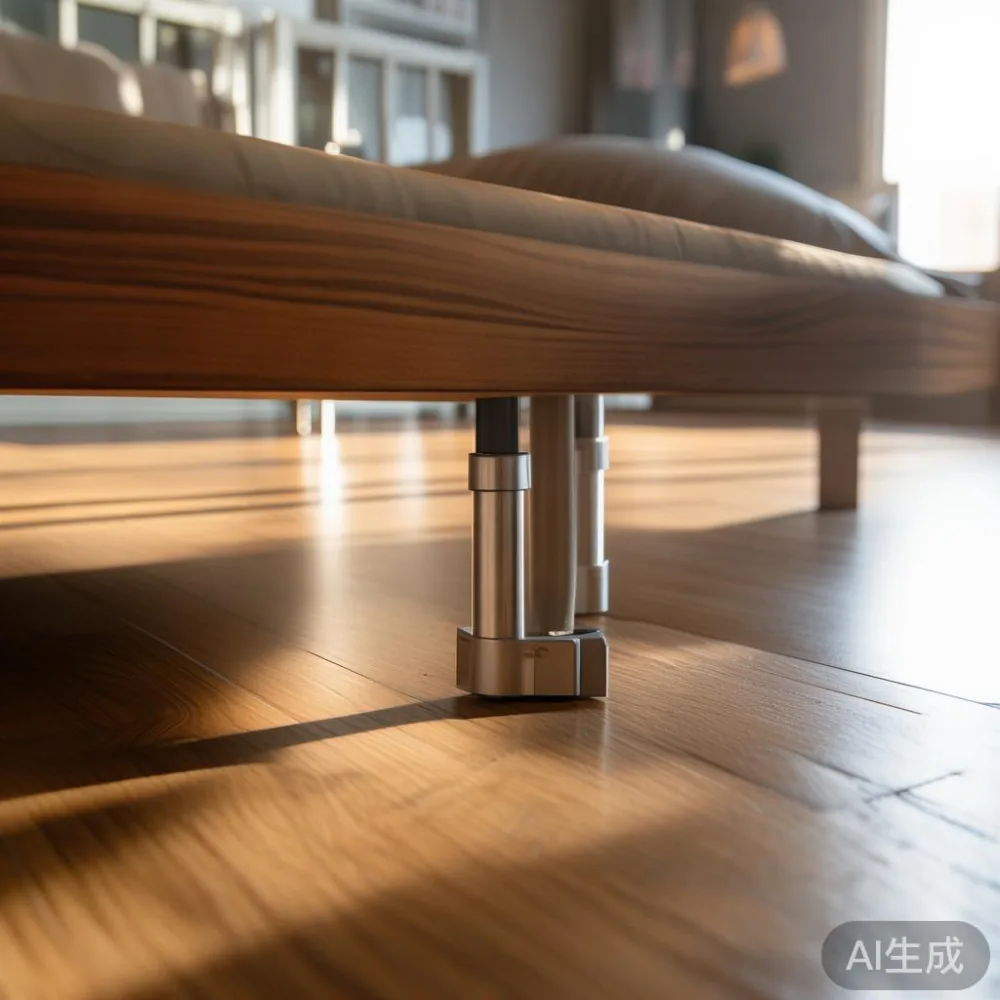
Last month, I visited a client’s new Tampines HDB flat with a colleague from our sales team. We were comparing a French light luxury sofa with a low post-modern light luxury model for a dining area that doubled as a guest room. The client liked the sculpted arms of one design, but after sitting on it for 15 minutes, its seat felt too high and the back cushion offered little support. A second model, only SGD 180 more, was 6 cm lower and noticeably easier to enter and leave. That experience changed the conversation from “Which one looks better?” to “Which one suits how this room will actually be used?”
For buyers comparing for sale Modern furniture, the measurable specifications matter as much as the photograph. You should know the external dimensions, usable seat dimensions, frame material, cushion construction, load rating, and delivery constraints before placing an order. In Singapore, that also means checking lift access, corridor turns, doorway widths, and how GST affects the final cost.

Do You Need a Sofa for Seating, Display, or Occasional Use?
Start with the function, not the style. A display sofa is usually positioned as part of a coordinated composition. It may face a television, occupy the edge of a dining zone, or complement a bed frame in a multipurpose bedroom. If nobody will spend more than 20 minutes on it, comfort can be a secondary concern, although it should still be good enough for an unexpected guest.
Measure the intended zone before checking any product. A typical Singapore HDB living room may offer only 220–300 cm of usable wall length once doors, sockets, and circulation routes are considered. A 210 cm sofa with 84 cm arms can fit across a wider wall, but its total depth may prevent a coffee table and a clear walking route from sharing the space.
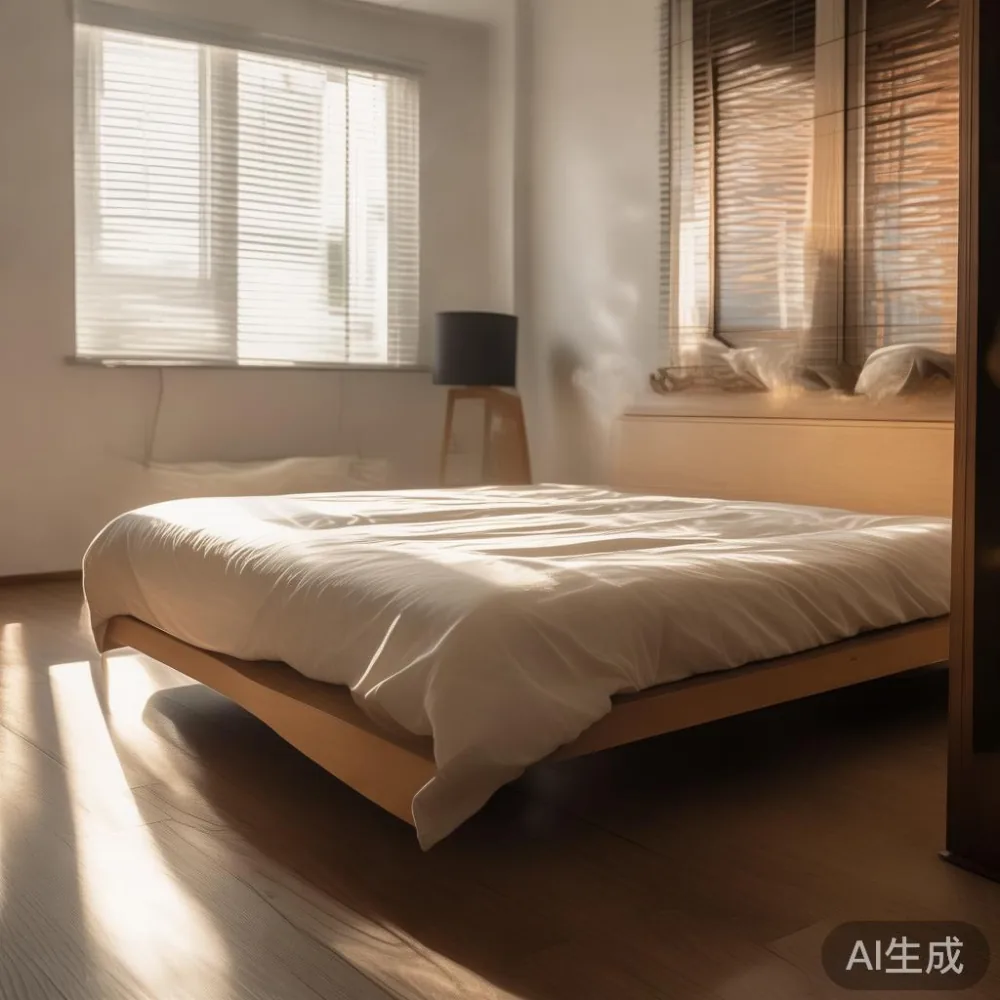
For occasional seating, target a seat height of 40–43 cm, a usable seat depth of 50–55 cm, and a back height between 72–82 cm. These figures make it easier to stand up and settle in than an oversized lounge design. If the sofa will also serve as a bed for guests, the product should be sold with a suitable sleeping width of at least 140 cm and a firm, even sleeping surface. Do not assume that a flat-looking seat cushion can safely support a full-size mattress.
Write down the expected use in plain terms: “1 guest for 2 hours twice weekly,” “daily family seating for 4 people,” or “display only.” This prevents a decorative statement from being judged as a heavily used family sofa.
What Measurements Should You Check on an Occasional-Seat Sofa?
Ask for the full external dimensions and distinguish them from the usable seat dimensions. External width includes both arms. Usable width is the distance between the inner arm faces. A sofa measuring 220 cm may offer only 178 cm of usable seating after two 21 cm arms are subtracted.
Check the floor-to-seat height, the seat depth, the height of the armrests, and the clearance needed to access the floor beneath the sofa. A seat depth above 60 cm can look generous in a showroom but leave shorter users sliding forward. A low seat below 38 cm can make rising difficult for older adults. Arms higher than 65 cm are useful for supporting a cup or leaning, while arms below 50 cm are easier to move past in a narrow room.
Back support also needs a number. The lower edge of the back cushion should meet the seat at a shallow angle rather than forming a sharp 90-degree seam. Look for a stable back height of at least 72 cm if the sofa will be used by adults. For a tightly planned dining zone, a total depth of 85–95 cm often balances visual presence with circulation. A 100 cm-deep sofa may suit a larger condo but can make an HDB living room feel crowded.
Ask whether the dimensions remain unchanged after assembly. Some designs have detachable legs or modular sections, which can help with doorway access. Record the weight of the largest fixed piece, because a completed sofa may weigh 70–110 kg even when the visible timber frame looks substantial.
How Do You Check a Solid Wood Sofa and Its Frame?
A solid wood sofa can use a timber frame, plywood supports, webbing, springs, and foam or fibre cushioning. The word “solid wood” does not mean every internal component is timber, so request a frame specification and written warranty. Look for kiln-dried hardwood in load-bearing rails and legs, with plywood or metal reinforcement at high-stress joints where specified by the manufacturer.
For a family used to sitting on a sofa every evening, inspect the joint construction, leg fixing points, and under-seat support spacing. Supports should usually be no more than 10–15 cm apart beneath the main seating zone. Avoid exposed sharp edges, loose corner blocks, and frames that visibly twist when lightly pressed at the front rail.
Sit on the sofa for at least 10 minutes before approval. Check whether the front edge compresses without becoming unstable, whether the backrest moves independently, and whether the frame creaks under normal movement. Do not perform a destructive “stand and jump” test in a showroom. Instead, apply controlled pressure with your body weight and observe any lasting deformation or uneven movement.
MIDHILL produces solid wood furniture with a 10-year structural warranty, and its lifetime refinishing service applies to eligible wood surfaces. Those are useful points to compare with a supplier’s coverage, but a warranty should not substitute for checking the actual frame, timber species, moisture treatment, and cushion specification.
How Will a Sofa Fit Through Your Lift and Corridor?
The sofa’s carton size is more important than the showroom display. For a 220 cm-wide three-seat sofa, the packed section may measure approximately 225 × 95 × 82 cm and weigh 65–95 kg. A sectional can arrive in separate pieces, often between 35 and 60 kg per carton, but each carton still has to pass through the lift and turn along the corridor.
Ask the supplier for the packed dimensions of every module, the gross weight, and whether the sofa can be disassembled. Compare those figures with your building rather than estimating from the flat size. Common HDB lift openings are around 80–90 cm wide, with internal depths near 130–180 cm, but older blocks and renovated units vary. The corridor may contain a narrower pinch point even when the lift itself is generous.
Measure the route from the ground floor to the unit, including the lobby gate, letterbox recess, fire door, lift threshold, corridor corners, and the apartment door. Add 5–10 cm of working tolerance for packaging and turning. A sofa that cannot enter the lift intact may need hoisting through a window, which can cost SGD 150–400 or more and requires the building manager’s approval.
Check the delivery estimate in working days. A Singapore stock movement may be quoted at 7–14 days, while a made-to-order piece may take 6–10 weeks. Confirm the delivery surcharge, stair-carry fee, and whether the team will place the sofa in the room or leave it at the door. For a display sofa with fixed legs, room-of-choice placement adds value and reduces the risk of scratching door frames.
What Do Cushions, Fabrics, and Finishes Tell You?
For occasional use, a high-density foam seat with a wrapped foam layer can be sufficient. A common balance is a 35–42 kg/m³ core combined with softer padding. For daily seating, look for a firmer support core, boxed cushions, or a pocket-spring layer. Fiber-filled cushions may feel inviting initially but can flatten faster if used without a protective outer layer.
Check the fabric composition, abrasion rating, pilling expectation, seam spacing, and cleaning code. Request a physical sample if the colour is important against warm HDB walls or condo lighting. Hold the swatch near the actual floor and curtain materials, because cool showroom lighting can make grey fabric appear warmer than it will at home.
Timber finishes need similar scrutiny. Ask whether the surface is lacquer, matte paint, veneer, or a natural oil and wax treatment. A marble table may be used in the same open-plan area, so compare the sofa’s finish with the veining and brightness of the stone rather than expecting an exact match. A wood dining table nearby should also share a consistent tone, though a deliberate contrast can work well.
For buyers researching 2026 light luxury furniture, durability records, replacement cushion availability, and finish care are more informative than a fashionable label. The design may be post-modern, French-inspired, or American in proportion, but the construction should remain compatible with the room.
How Do Price, GST, Warranty, and Returns Affect the Decision?
Build the landed cost before comparing products. Add the listed price, GST at 9%, delivery, stair carry, assembly, and any applicable service charge. A sofa priced at SGD 2,490 becomes SGD 2,714.10 before delivery. A second design at SGD 2,680 becomes SGD 2,921.20, so a SGD 190 difference becomes SGD 207.10 after tax.
Separate the product price from the purchase commitment. A retailer offering free delivery above US$350 does not mean delivery to Singapore is free; the currency and destination must be checked. The customer may be responsible for local delivery, import duties, customs handling, and GST where applicable. Do not treat an international shipping threshold as a local Singapore offer.
A 14-day returns policy is useful, but confirm whether it applies to made-to-order furniture, custom upholstery, and items delivered to an HDB flat. Some exclusions apply to hygiene-sensitive products, alterations, and damage after use. Ask whether the original packaging, floor protection, and return transport are required. A sofa used for sitting during a trial is no longer display stock.
Compare the written structural warranty against the expected use. A 10-year structural warranty can offer useful protection for the frame, while cushion comfort and finish wear may have different terms. Ask for the exclusions in writing: commercial use, moving damage, excessive loads, unauthorised repairs, and moisture exposure should not be assumed to be covered.
Is a Display Sofa the Right Choice for Your Home?
A display-first sofa makes sense when it serves a defined secondary role and fits the room’s measurements. It should still meet basic standards: a stable frame, secure joints, comfortable enough for temporary use, and a finish that can survive Singapore’s humidity and frequent cleaning. If it will be used daily, choose a seat designed for daily support rather than relying on appearance alone.
In a Tampines, Bedok, or Punggol home, obtain the packed measurements before paying a non-refundable deposit. Measure the lift, corridor, doorway, and final position. Test the seat, inspect the frame details, and check the return terms. A display sofa can look almost sculptural and still function as practical seating, provided it has the right dimensions and construction.
Readers also considering coordinated storage can research the best Vintage wardrobe for 2026 for a bedroom, the best Japandi wardrobe for 2026 for a calmer timber finish, or a nightstand beside a bed frame. Keep those choices connected to the room’s actual circulation and storage needs rather than treating matching pieces as decoration alone.
While comparing affordable imported pieces described as cheap European light luxury furniture, check the local warranty and freight terms rather than assuming the European origin covers Singapore service. A nearby Foshan furniture supplier may provide clearer communication, a 10-year structural warranty, lifetime refinishing, and a more predictable delivery timeline.
The final comparison between a light luxury sofa vs Mid-century modern sofa should include seat depth, height, arm profile, and access. Style identifies the visual direction; measurements determine whether the sofa can be used without creating daily inconvenience. That is the practical distinction between a sofa that completes a room and one that merely occupies space.