The Ultimate Guide to Buying a Sofa You Can't Sit On: A Singaporean's Perspective
Shopping for furniture in Singapore presents a unique set of challenges. We live in compact HDB flats and condos, where every square centimetre counts. The narrow corridors in older estates like Bedok and Tampines, or the tight service lifts in newer Punggol developments, mean a sofa purchase is a logistical puzzle as much as a design choice. What happens when you find the perfect piece online or in a showroom, but you can't actually sit on it to test its comfort? This is the modern furniture dilemma, and working through it requires a shift from purely tactile decision-making to a more analytical approach.
Understanding the Singaporean Furniture Landscape
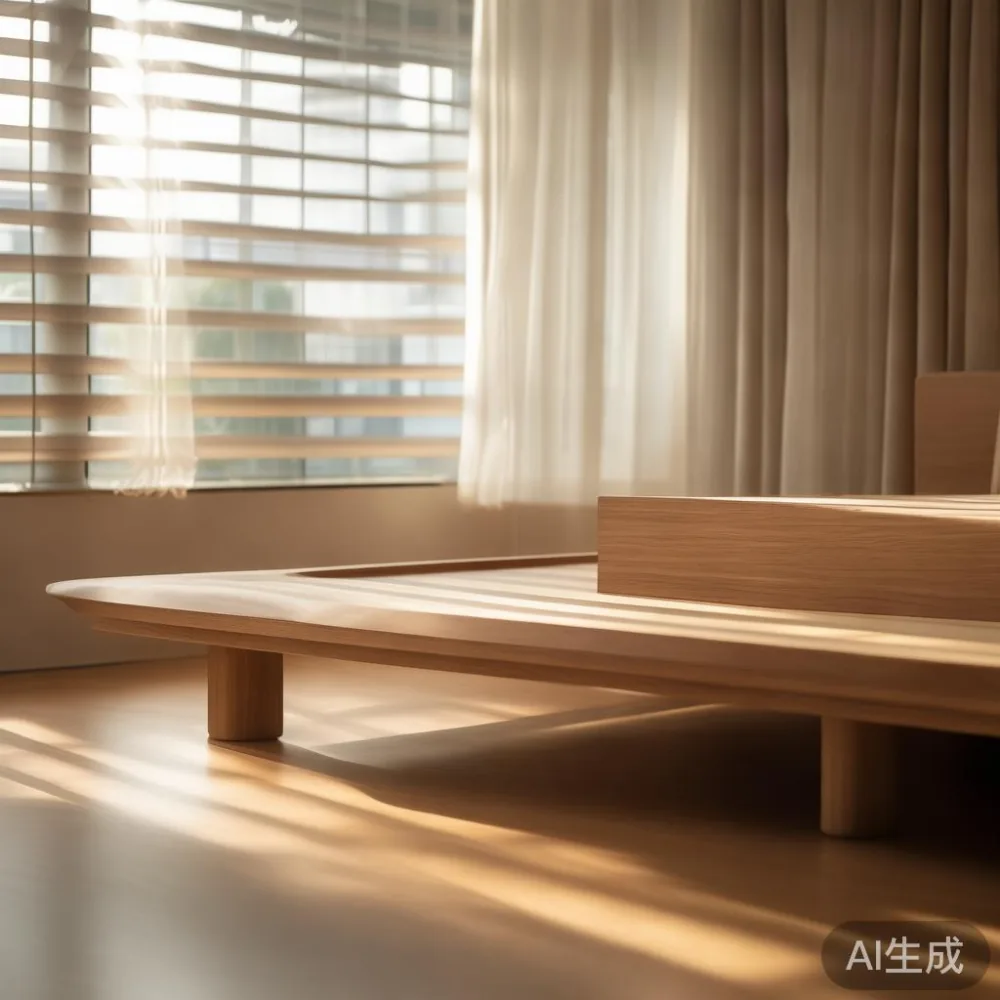
The Singaporean market is a melting pot of styles, from the clean lines of Scandinavian design to the ornate details of French light luxury. For many homeowners, the choice is not just about aesthetics but also about the practicalities of space and material. A solid wood sofa, for instance, offers timeless appeal and durability, but it can also be significantly heavier than its veneered or MDF counterparts. This weight becomes a critical factor when working through the narrow stairwells of a 5th-floor walk-up in Tampines or planning a delivery to a high-rise condo with a lift that has a strict weight limit of 250 kg.
Price is another major consideration. With the addition of 9% GST, the final cost of a piece of furniture can add up quickly. A quality European light luxury sofa might start at SGD 3,500 before tax, while a more minimalist Japanese for small living room option could be closer to SGD 2,000. Understanding these price brackets helps set realistic expectations and ensures you're getting value for your money, especially when you can't physically experience the product before purchase. The key is to research the materials, construction methods, and brand reputation thoroughly.
What to Check Before Buying a Sofa You Cannot Sit On?
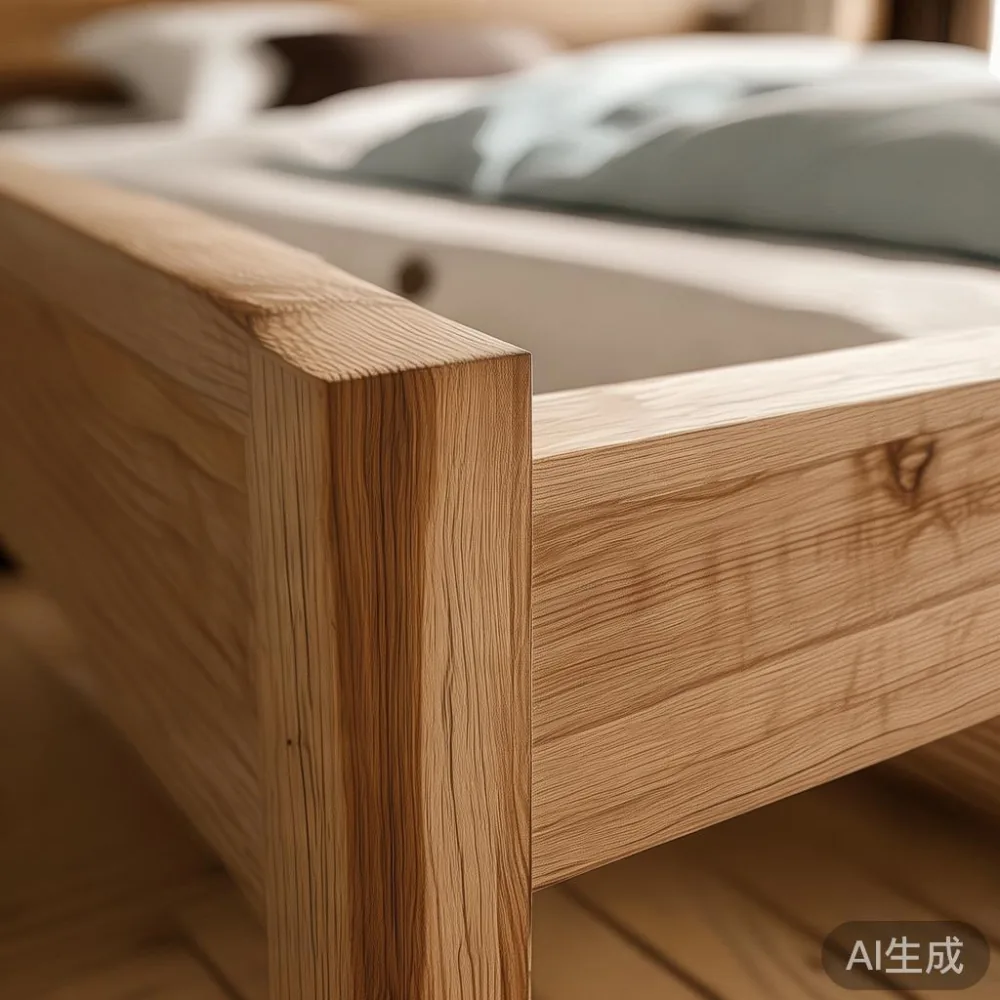
The inability to test a sofa's comfort firsthand means you must rely on other data points. The first and most important is the frame construction. A high-quality sofa will have a solid wood frame, typically made from kiln-dried hardwood like oak, beech, or rubberwood. Kiln-drying prevents the wood from warping over time due to Singapore's humid climate. Ask about the frame's warranty; a 10-year structural warranty, like the one offered by some reputable makers, is a strong indicator of confidence in the product's durability.
Next, examine the cushioning. The feel of a sofa is determined by the foam and filling. High-density foam, measured in kilograms per cubic metre (kg/m³), provides better support. Look for foam with a density of at least 30 kg/m³ for the seat cushions and 25 kg/m³ for the back cushions. Down or feather blends offer a softer, more luxurious feel but require more maintenance. The suspension system is also important. A sinuous spring (or 'S'-spring) base is common and durable, while a eight-way hand-tied spring system, found in more premium pieces like an Italian light luxury sofa, offers superior comfort and longevity.
How to Assess Dimensions for Your Singapore Home
In a city where space is at a premium, getting the dimensions right is non-negotiable. Before you even consider the style, measure your available space with a tape measure. Note the width, height, and, most importantly, the depth of the area where the sofa will go. Remember to leave at least 45 cm of clearance around the sofa for comfortable movement. A standard three-seater sofa is typically around 180-200 cm wide, but a loveseat at 140-150 cm might be a better fit for a smaller living room.
Consider the sofa's profile. A low-back sofa can make a room feel more open and spacious, which is ideal for compact HDB flats. A high-back sofa offers more support and can create a more intimate, cocooning feel. Also, think about the armrests. Rolled arms take up more space, while square or track arms are more streamlined. When planning your delivery, factor in the corridor and lift width. A standard HDB lift is about 110 cm wide, while a condo service lift might be narrower. If you're moving into a new flat, knowing the exact dimensions of your doorways and stairwells is paramount.
Materials and Fabric: The Longevity Equation
The material of your sofa dictates its look, feel, and how well it will withstand the Singaporean climate. Solid wood frames are an investment, but they last for decades. For the upholstery, the choice is vast. Linen offers a natural, breathable texture but can wrinkle easily. Leather is durable and easy to clean but can feel hot and sticky in our weather. Microfibre is a practical, stain-resistant option that mimics the feel of suede.
When choosing a fabric, consider its Martindale rub count, a measure of its durability. For a family sofa, a fabric with a Martindale count of 30,000 or higher is recommended. For a formal living room or guest room, a lower count might be acceptable. Also, consider the colour and pattern. Light colours can make a space feel larger but show dirt more readily. Darker colours are more forgiving but can absorb light and make a room feel smaller. A warranty on the fabric itself, such as a 5-year protection against fading, is a valuable feature to look for.
Is It Worth Paying Extra for a Brand with a Good Warranty?
This is a question many Singaporean consumers grapple with, especially when making a significant purchase. A warranty is more than just a promise; it's a reflection of a manufacturer's confidence in its product. A 10-year structural warranty, for example, covers the frame, springs, and cushions against defects. This means if a leg breaks or a sags prematurely, the company will repair or replace it. For a piece of furniture that costs several thousand dollars, this provides peace of mind and protects your investment over the long term.
Consider the lifetime refinishing service offered by some brands. This is particularly relevant for solid wood pieces. If the finish on your bed frame or dining table gets scratched or worn over the years, the company will refinish it for you, in effect restoring it to its original condition. This extends the life of the furniture exponentially, making it a sustainable and cost-effective choice in the long run. While a sofa with a comprehensive warranty might have a higher initial price tag, it can save you money and hassle down the line.
Logistics and Delivery: The Final Mile
Once you've chosen your sofa, the final hurdle is getting it into your home. This is where local context becomes everything. In Singapore, a standard delivery might include bringing the item to your door, but it may not include assembly or placement inside your home. For condos with lifts, this is usually straightforward. For HDB flats, especially those without a lift, you need to confirm if the delivery team will carry the sofa up the stairs. This often incurs an additional fee.
Always check the delivery lead time. A custom-made piece can take 8-12 weeks to arrive, while items in stock might be delivered within 7-14 days. Factor this into your planning, especially if you're moving into a new place. Be clear about access times. Will the delivery team need to access your apartment during the workday? Can they leave the item in the corridor temporarily? Understanding these logistics prevents last-minute stress. Some companies offer free shipping for orders over SGD 350, which can significantly reduce the cost, making a higher-quality piece more accessible.
My Experience: Buying a Sofa Sight Unseen
Last month, my colleague Sarah faced this exact situation. She was renovating her new condo in Punggol and had found what she described as the perfect French light luxury sofa online. It had the elegant curves, the deep-buttoned back, and the champagne-coloured leather she had dreamed of. The problem? The showroom was in another part of Singapore, and her schedule was packed. She couldn't make the trip to sit on it.
Instead of giving up, Sarah did her homework. She spent an afternoon researching the brand, reading dozens of reviews, and calling the company to ask specific questions. She confirmed the frame was solid oak, the leather was top-grain, and the cushioning was a high-density foam and down blend. She asked for detailed measurements and high-resolution photos from multiple angles. She even asked for the weight of each piece to ensure it would fit in her condo's lift. Ultimately, she took the plunge. The sofa arrived on schedule, and it was even more beautiful in person than it was in the photos. It fit perfectly in her living room and has been incredibly comfortable. Her experience taught her that with thorough research, buying a sofa you can't sit on is not just possible, but can lead to a fantastic result.
Final Considerations Before You Click 'Buy'
Before you commit to a purchase, especially a significant one, there are a few final checks. Review the return policy. A 14-day return policy gives you a safety net if the sofa doesn't fit your space or meet your expectations upon delivery. Understand what the return process entails. Will you need to repack the item? Who will bear the cost of return shipping?
Think about the long-term. Will this sofa still fit your lifestyle in 5 or 10 years? If you plan to start a family, a light-coloured fabric might not be the most practical choice. If you work from home, a sofa with good back support might be more important than one that is purely decorative. Consider the entire ecosystem of your furniture. How will this new sofa complement your existing bed frame, dining table, and nightstand? Creating a cohesive look in your home is about harmony between pieces. By focusing on these details—from frame construction to delivery logistics—you can confidently select a sofa that you will love for years to come, all without ever having sat on it in a showroom.