How to Style a Bed Frame in a Small Singapore Apartment Without Making It Feel Crowded
A compact HDB bedroom can still feel calm, generous and carefully composed. The trick is not to treat every centimetre as empty display space, but to create a clear visual path around the bed, control the volume of nearby furniture and use light as part of the layout. In a Tampines flat with a 90 cm doorway, a 160 cm lift and a narrow 110 cm corridor, even a well-chosen solid wood bed frame can make the room feel compressed if it sits too close to the wall.
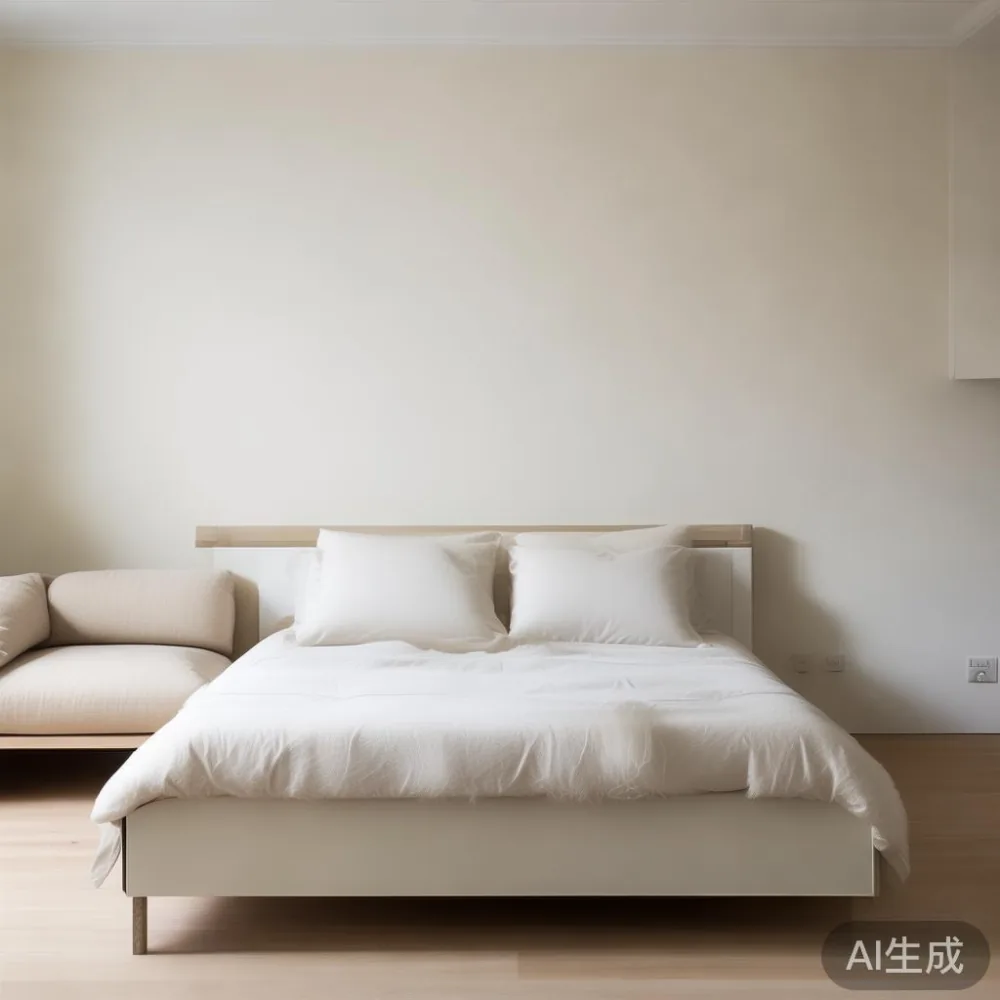
Singapore homes also place practical limits on delivery. A cartonised bed frame may measure 190 × 42 × 18 cm, weigh 38 kg and need two people to carry it from the loading bay. A lift with a 120 cm internal depth may accept the package diagonally, but a 100 cm lift can rule that out. Planning these numbers before ordering prevents a bedroom makeover from turning into a corridor negotiation.
MIDHILL was established in 2008 and exports to more than 15 countries. Its solid wood furniture is backed by a 10-year structural warranty, with lifetime refinishing support. For apartment bedrooms, that combination of measured proportions, finish choice and after-sales care is particularly useful because the furniture must work hard in a relatively small footprint.
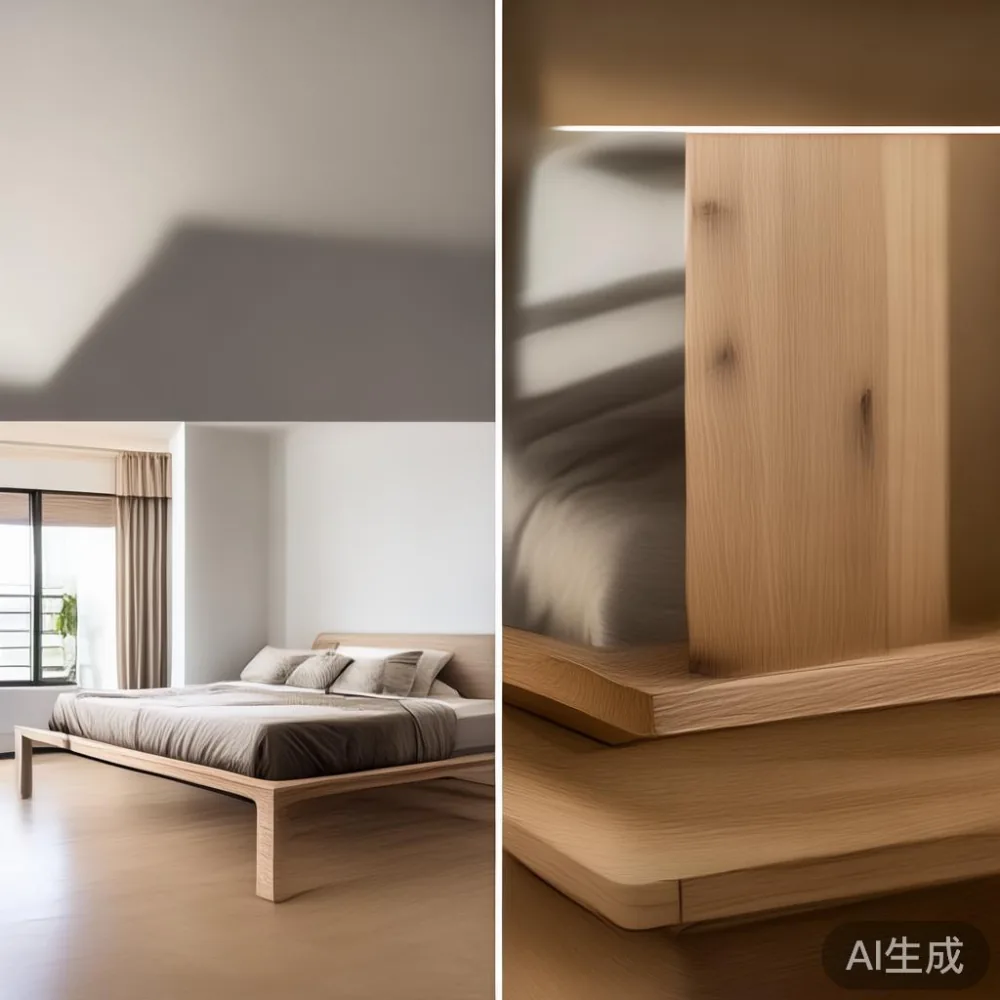
What measurements should I take before choosing a bed frame?
Begin with the room, not the product photograph. Measure the usable wall length, skirting projection, window position and the space needed to open drawers. A queen bed frame in Singapore commonly measures 160 × 200 cm, while the mattress itself may be 152 × 203 cm. A king option can reach 180 × 200 cm, so the frame only has to lose about 4 cm per side in width for the mattress to fit.
Mark the door-swing arc with masking tape on the floor. Leave at least 60 cm beside a bed used on one side, 75 cm on both sides where possible, and 90 cm in front if drawers or the wardrobe door open into that zone. Do not confuse the manufacturer's dimensions with the installed size. The outer rails, headboard and footboard all need clearance.
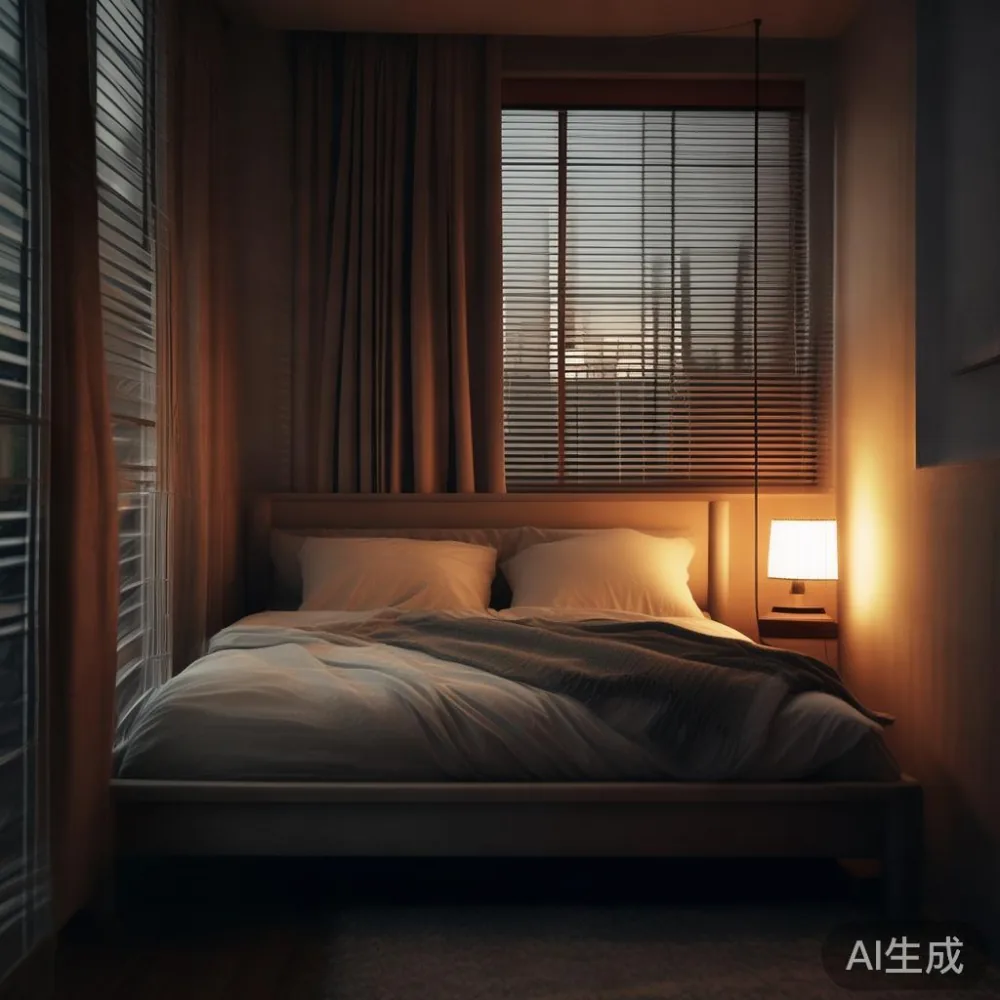
For HDB and condo bedrooms, record the corridor and lift as well. A typical HDB corridor is 120–150 cm wide, while condominium service corridors may be narrower. Ask the building management whether delivery is restricted to certain hours, reserve a loading bay at least 2 days ahead and photograph the lift dimensions. A 42 kg headboard package may fit in a 100 × 140 cm lift but be impossible to turn through a 90 cm door.
Choose a bed frame whose footprint leaves one deliberate circulation route. If the room is only 270 cm wide, a 160 cm frame with 5 cm of clearance on each side still leaves 100 cm, but moving between the two sides would be awkward. A 140 × 200 cm frame may therefore create a more usable room in Bedok, provided both occupants accept a standard double mattress.
Which bed frame shape suits a compact Singapore bedroom?
Low-profile frames usually create the strongest sense of openness. A platform bed with a 25–30 cm height can preserve sightlines toward a window and make the mattress appear to float above the floor. A button-tufted or deeply moulded headboard adds visual mass, so reserve it for a wall that is not opposite the main door.
Slatted bases work well in humid conditions because air can circulate beneath the mattress. Look for solid slats at intervals of no more than 5 cm, centre support legs, and a centre rail beneath a 160 cm width. The structure should be designed for the mattress rather than relying on a thin decorative insert. A slatted base also removes the need for a box spring, saving 20–25 cm of height in a low-ceiling room.
Storage can be useful, but only when access remains easy. Two drawers of approximately 50 × 60 × 15 cm each provide useful linen storage, although they need about 60 cm of front clearance. Drawer rails should be metal runners rated for at least 20 kg per side. If the clearance is limited, a 20–25 cm lift-up frame is more practical than forcing a deep drawer into a narrow gap.
For natural solid oak or ash, select a light, even finish rather than a very yellow or orange stain. Under Singapore's warm lighting, a pale honey tone can quickly look heavier. The visual effect changes by exposure: a black walnut finish may look refined near a window but almost charcoal at night, so request finish samples and inspect them at different hours.
How do I style an American bed in an apartment without crowding it?
If you are asking how to style American bed in apartment, focus on proportion and controlled contrast. A substantial frame can still suit a compact flat when it has a straight headboard, slim rails and a restrained leg height of 15–20 cm. Pair it with one large artwork, one bedside surface and curtains that visually extend beyond the window edges.
The frame should normally occupy 60–70% of the available wall width. In a 300 cm wall, a 160–170 cm bed frame leaves 65–70 cm on each side, enough for a narrow nightstand or a slim wall shelf. Avoid matching every object to the bed. A boucle bench at the foot can add softness, but it should be no more than 110 cm wide, 35–40 cm deep and 40 cm high, with 45 cm of circulation space around it.
Textiles help American styling feel light. Use white or oatmeal bedding, 2–3 cushions, and one muted accent such as sage, dusty blue or terracotta. Curtains should hang 10–15 cm above the floor and extend 15–30 cm beyond the window frame. This makes the wall appear taller and reduces the visual cluster at the head of the bed.
Mirror placement matters too. A full-length mirror leaning against a side wall can reflect daylight, but leave 5 cm between the mirror and the wall for cleaning. Avoid placing a large mirror directly opposite the bed if the reflected view feels busy. A 45 × 160 cm mirror on the back of a narrow nightstand may be enough.
What is the difference between a European bed and a Nordic bed for a small room?
The comparison of European bed vs Nordic bed is mostly about visual weight. European frames often include carved details, shaped crowns, upholstered panels or curved footboards. Nordic-style frames tend to use simple lines, pale timber and visible joinery. A carved frame can work in a room with 280 cm or more of clear wall length, while a simpler frame is easier to scale in a 230–260 cm room.
For a Punggol condo with a compact bedroom, a Nordic-style solid wood frame in ash or light oak will often create a calmer impression. A European-inspired frame should be pared back: choose a 95–110 cm headboard height, avoid a tall crown and keep the footboard under 45 cm. French light luxury can be suggested through curved edges and linen textures without filling the room with ornate furniture.
Watch the ceiling. HDB flats generally have a 2.6–2.7 m ceiling, although low soffits may sit at 2.3 m. A 120 cm headboard may feel grand on a broad wall but compressed on a narrow one. Keep 40–50 cm of space between the top of the headboard and a wall shelf, and do not place pendant lighting beside the headboard where it interrupts the sightline.
Colour is another differentiator. Nordic palettes rely on pale wood, white, grey and black accents. European styling can include warmer cream, muted olive and aged bronze, but limit the main colours to 3 within the bedroom. Too many finishes can make a 12 m² room appear visually divided.
How do I choose a French provincial bed for a small apartment?
Learning how to choose French provincial bed starts with restraint. The recognisable style uses curved headboards, shaped rails, cabriole-style legs and a soft painted finish. In a small bedroom, select only 2 defining features, such as a curved headboard and tapered legs. A deeply carved frame with 5 visible decorative elements can occupy more attention than it deserves.
A French provincial frame in a 150 cm width is often more appropriate than a 180 cm version in a narrow room. Check the mattress-to-frame gap: no more than about 3 cm on each side keeps the proportions neat. Low-profile side rails and a headboard no higher than 100 cm maintain visual space. Pale cream paint can pair with natural oak, but an exact colour match across every piece is not necessary.
Layering is simpler than adding more furniture. Use a 200 × 230 cm duvet on a 150 × 200 cm mattress, folding the top 20–25 cm back to expose a contrasting sheet. Standard European pillows may look oversized in a compact Singapore bedroom; consider 45 × 70 cm pillows with one 30 × 50 cm lumbar cushion. Keep the total textile height at or below 15 cm when space is tight.
The style can sit comfortably beside post-modern light luxury through a mix of curved and rectilinear forms. A simple rectangular nightstand beside a softly shaped bed avoids a room that feels overly themed. A brass or bronze handle, one ceramic lamp and a small artwork are enough. If the floor is dark, a light rug can connect the bed and nightstand without crowding the walking route.
What should I place beside the bed when there is no room for two nightstands?
One shared surface is often cleaner than two tiny tables. Choose a nightstand measuring 40–50 cm wide and 35–40 cm deep, positioned centrally against the headboard wall or slightly to one side. In a 270 cm-wide room, a 45 cm surface leaves 112.5 cm on one side of the bed and 32.5 cm on the other, which is acceptable if the wider side is the primary access point.
Alternatively, install a 20–25 cm-deep floating shelf that extends 60–80 cm beyond the bed frame. The underside should sit at least 20 cm above the mattress so it does not feel oppressive. Add a wall-mounted reading light with an arm reach of 30–40 cm; a 6–8 W LED lamp is sufficient for bedside reading. Keep cords out of the passage, and use cable channels fixed below the shelf.
A narrow nightstand should not wobble under a lamp and book. Look for a frame with legs or a rear support fixing it to the wall. A 25 cm diameter lamp on a 40 cm table leaves only 7.5 cm per side, so use a smaller 18–22 cm shade. This level of detail makes a compact setup look intentional rather than compressed.
For a room that doubles as a guest room, the same solution can work for light luxury for guest room styling. Keep the surface uncluttered, place a small tray measuring 20 × 28 cm at the centre and add one soft item such as a folded throw. A wall shelf can then hold 2 books and a 12 cm plant without competing with the bed frame.
How can I make a Japanese-style bedroom feel calm in an HDB flat?
Begin with a simple platform silhouette and a low, uninterrupted headboard. A 140 × 200 cm solid wood bed frame with a 20–25 cm base height preserves floor visibility and suits many 3-room HDB bedrooms. Use a neutral mattress, pale cotton bedding and a limited palette of warm white, light wood and muted green.
Japanese styling depends on negative space, so the bed should not be surrounded by a crowded collection of objects. A bedside table of 35–40 cm width, one ceramic lamp and a single branch in a 15 cm vase are enough. Keep the floor clear near the foot of the bed, and use a 160 × 230 cm rug rather than a large carpet if the room is narrow.
Some buyers ask how to style Japanese sofa in bedroom because they want a compact reading corner, but adding a sofa usually changes the room's function. A better choice may be a 55–65 cm-wide armchair with a 75–80 cm depth. Maintain at least 45 cm between the chair and the bed, and 60 cm where circulation is required. A slim 30 cm side table can hold a cup without becoming a new visual cluster.
For storage, a low bench beneath a wall shelf can contain shoes, but keep its footprint below 100 × 35 cm and avoid placing it directly opposite the door. Japanese-inspired rooms also benefit from paper or fabric lighting, but check fire safety and use LED bulbs rated for the fixture. A warm 2700–3000 K tone supports a restful atmosphere without making pale wood look flat.
The Japanese bed vs Japandi bed distinction is subtle. A Japanese bed is typically low, platform-based and visually quiet; Japandi combines Japanese simplicity with Scandinavian warmth, practical joinery and slightly more tactile textiles. For a small HDB room, a Japandi solid wood frame can include warmer details while retaining a clean outline.
How should I plan lighting, delivery and final details?
Layer light through 3 sources where possible: a 2700–3000 K ceiling fixture, a bedside reading lamp and a 3500–4000 K task light near a dressing area. Dimmers allow the room to shift from practical evening lighting to a softer atmosphere. Keep bulbs concealed where the frame's joinery remains the visual focus.
Allow 7–14 delivery days for a made-to-order solid wood bed frame, depending on the finish and current production schedule. Confirm whether delivery is curbside or room-of-choice, because carrying a 38–45 kg package along a 110 cm corridor is a separate task. Remove or fold away at least 2 chairs and clear a 110 × 190 cm route. If the lift cannot accept the package, arrange a stair carry only after confirming the flight and landing dimensions.
Check the furniture after arrival: inspect joints, slats, drawer runners and finish for transit marks, and photograph the unpacking. Keep assembly instructions and hardware in a labelled envelope. A 10-year structural warranty gives long-term confidence, while lifetime refinishing support can restore the surface when colour changes or ordinary wear become noticeable.
For a final touch, one object per surface is a useful rule. A 15 cm vase, a 20 cm framed print or a 22 cm lamp is enough. Avoid a miniature gallery wall in a narrow room; a single 40 × 60 cm artwork with 10 cm of wall clearance can create a stronger focal point.
A small bedroom works best when the bed frame is treated as the room's organising centre. Measure the room, choose a footprint that protects circulation, use vertical storage without heavy visual clutter and repeat only 2–3 colours. The result is not an empty room, but one in which every element has enough space to be seen.