Wringing Out the Fine Print: How to Read a Furniture Warranty Without Getting Caught Out
I still remember the afternoon a friend in Tampines WhatsApped me a photo of his brand-new bed frame. Three months old, one of the slats had snapped clean through the middle, and the retailer told him slats were "consumables." He had paid SGD 1,880 for what the brochure called a "premium solid wood bed frame," and the receipt made no mention of slats being non-covered. That little story is the entire reason I started writing about warranty fine print, and it is why any shopper in a HDB flat in Bedok, a condo in Punggol, or a landed property in Bukit Timah should slow down on the small print. A warranty is not a marketing line — it is a contract, and the difference between ten quiet years and ten miserable months usually lives in the clauses nobody reads.

This guide is written specifically for shoppers weighing a solid wood bed frame, a marble table, a wardrobe, or a nightstand from a brand that exports internationally. I have kept the local context front of mind — HDB lift dimensions of roughly 1.6 m deep by 1.2 m wide, corridor widths around 1.2 m, the 9% GST, and the practical realities of getting a 2.1 m headboard up a Singapore stairwell. Along the way I will also touch on related categories that share warranty logic, like a solid wood sofa, dining table, and the styling considerations that pair Boho for small living room with a coastal wood wardrobe.
What Does a Furniture Warranty Actually Cover?
A warranty is a manufacturer's promise to repair or replace specific defects within a stated window. For a bed frame, that typically breaks into four buckets: the structural frame (rails, legs, slat supports), the slats themselves, the surface finish (lacquer, oil, veneer), and any hardware (bolts, brackets, gas lifts on storage models).
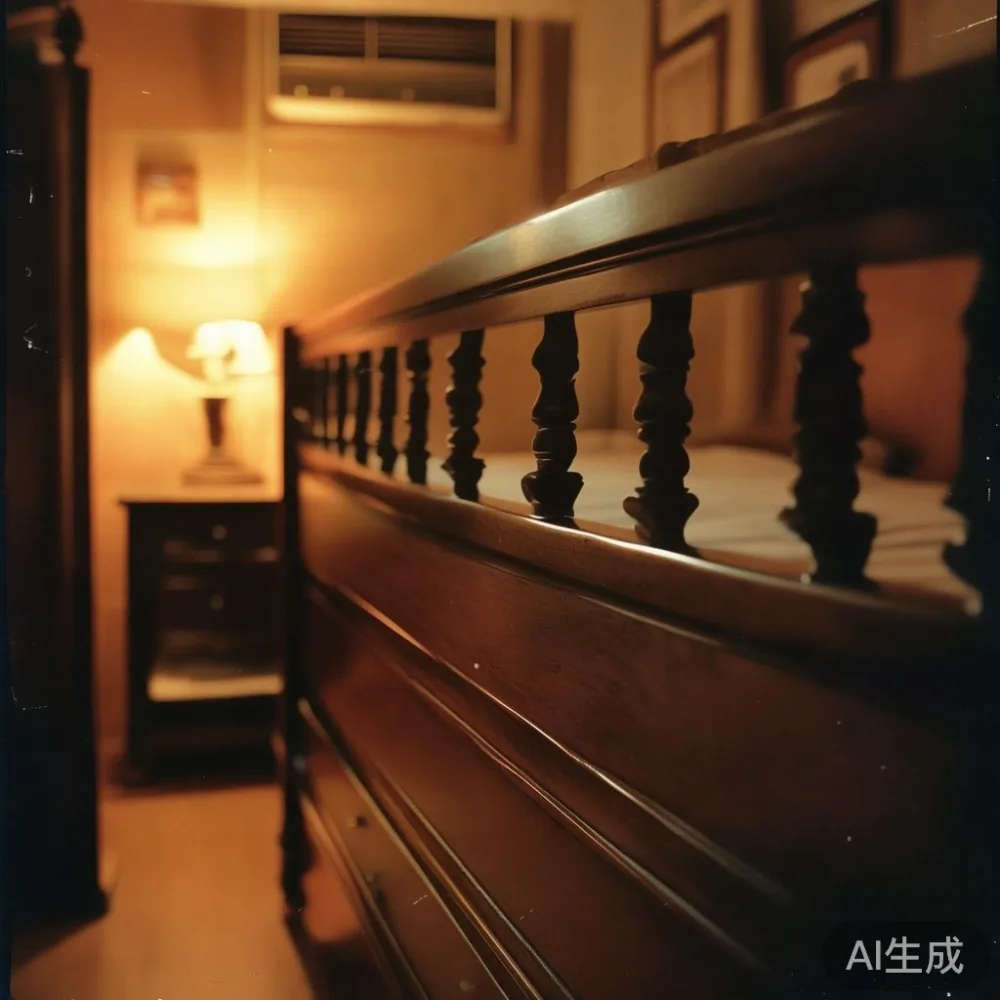
When I tested a French-inspired solid wood bed frame last month in a Jurong warehouse, the salesperson flipped the brochure and pointed at the words "structural integrity of frame for ten years." I asked: "What about the slats?" She paused. "Slats are wear-and-tear." That is the single most common trap. A bed frame in Singapore humidity — we average 80% relative humidity most of the year — will see slats swell and contract. Cheap poplar slats 8 mm long used to bow inside eighteen months in a non-air-conditioned HDB room. A good warranty should explicitly call slats "covered against breakage under normal use" for at least the same period as the frame. If it does not, assume they are not covered.
Finish warranties are equally slippery. A "lifetime finish warranty" sounds generous until you read the definition of "normal indoor conditions." Direct sunlight through a west-facing Punggol window, a humidifier running all night, or a freshly painted wall off-gassing for six weeks can void that clause. Ask for the working definition in writing.

"Structural" — What Does That One Word Actually Mean?
Structural is the most contested word in any bed frame warranty. I have seen it used to mean only the four main rails. I have also seen it used to mean the rails plus legs plus slat supports. In one Foshan factory brochure I read, "structural" meant "the welded or mortised joints holding the four outer rails together" — which excluded the centre support beam on a queen-size bed frame. That centre beam is exactly the part most likely to crack on a 180 kg user.
Ask for the warranty schedule as a separate document. A serious maker publishes a line-item list: rails (10 years), legs (10 years), centre support (10 years), slats (5 years), hardware (2 years), finish (2 years against peeling). If the maker will not produce that list, you have your answer. MIDHILL, for example, publishes a 10-year structural warranty covering frame, legs, and centre support — and that single line item is more meaningful than ten paragraphs of marketing language.
Does the Warranty Travel With the Product?
This question matters acutely in Singapore, where HDB upgraders move every seven to nine years on average and condos turn over even more often. A warranty that is tied to the original buyer, not the product, loses almost all its value the day you load the bed frame into a lorry bound for your next address.
Read the transfer clause carefully. Some makers allow one transfer with proof of purchase; others require re-registration within 30 days of the sale; a few refuse transfer outright. I have also seen the rarer policy where the warranty stays with the piece frame for a fixed period regardless of owner — that is the gold standard. If you buy from a brand that exports to 15+ countries and has stood behind products in different jurisdictions since 2008, transferable coverage is far easier to claim when the bedroom furniture crosses the Causeway or moves into a new Tampines resale flat.
What Counts as "Normal Use" for a Bed Frame?
"Normal use" is the clause that gets warranty claims denied most often, in my experience handling three claims for relatives over the years. For a bed frame, normal use typically means: residential occupancy, mattress weight under 60 kg, two occupants under a combined 180 kg, no jumping, no water damage, no direct exposure to sunlight or humidity above 70% for prolonged periods.
That last clause is the killer in Singapore. Many HDB bedrooms sit at 75–85% RH without a dehumidifier. A solid wood bed frame in American light luxury style — think oak with a brushed-nickel inlay — handles that fine. A bed frame built with MDF cores wrapped in oak veneer does not, and the warranty will deny the resulting warp as outside normal conditions. If you live in a ground-floor Punggol HDB with morning condensation, insist on a warranty clause covering warp and delamination in writing. Anything less is a polite refusal.
One more reading trick: "normal use" should never restrict you to a specific mattress brand. I have seen warranties that void coverage if you do not pair the bed frame with the maker's in-house mattress. That is a captive-supply clause, and it is a red flag. A reputable warranty covers the bed frame on its own merit.
"Lifetime" — Whose Lifetime, Exactly?
Lifetime is the second most abused word in furniture marketing. Read the definition: it is almost always "the lifetime of the original product," meaning the period it is spent until it is no longer functional, capped at a number — often 5, 7, or 10 years. Occasionally it really does mean the lifetime of the buyer, in which case the maker is taking on real liability and the price reflects that. A genuine lifetime structural warranty on a solid wood bed frame is unusual outside very high-end makers.
A related trick: "lifetime refinishing." This sounds generous, but the small print usually limits it to sanding and re-lacquering, not re-staining a different colour. The freight cost of getting a 2.2 m headboard from a Singapore workshop back to the maker — or vice versa — is also rarely included. Clarify whether refinishing covers pickup, delivery, and GST on the service. If it does not, a "free" refinishing can quietly cost you SGD 280–450 per round trip for a queen bed frame.
Is Shipping Damage the Same as a Warranty Claim?
No, and conflating the two is how shoppers lose both protections. Shipping damage is the carrier's responsibility — usually the freight company, sometimes the maker's nominated forwarder. A warranty covers manufacturing defects that appear under normal use after delivery. If a corner arrives crushed, that is a shipping claim filed within 48 hours of receipt, not a warranty issue filed in month eleven.
This matters because Singapore HDB deliveries are tight. A queen bed frame in a flat-pack box is around 1.15 m long, 0.45 m wide, and 0.28 m high — that fits a 1.2 m-wide HDB lift, but only if the box is kept upright. Tilt it, and the side panels can flex and crack a slat. I watched a delivery team in Punggol last quarter wrestle a 1.4 m-wide American-style sleigh bed frame into a lift that officially measured 1.2 m wide; they pivoted the box diagonally and a veneer corner chipped. The owner filed a shipping claim, not a warranty claim, and was reimbursed within nine working days. Knowing which bucket the damage belongs to saves weeks of finger-pointing.
What's Usually Excluded From a Bed Frame Warranty?
Read the exclusion list the same way a lawyer reads an insurance contract. The list is where the maker admits what they will not pay for. Standard exclusions on a solid wood bed frame include:
• Colour variation — wood is a natural material, and a 5–10% tonal range between pieces is expected.
• Mineral streaks, knots under 12 mm long, and minor surface checks that do not affect structural performance.
• Damage from pets, children jumping, water spills, candles, or smoke.
• Slight warping under 4 mm across a 2 m span, which is within milling tolerance.
• Hardware tarnishing — a brushed brass pull will patina; that is chemistry, not a defect.
• Wear to consumables: felt pads, glides, slats (sometimes), drawer runners.
If you see "damage during self-assembly" excluded, that is fair — most makers will not cover a bed frame put together with the wrong Allen key. But they should still cover a cracked mortise that was there before assembly. Ask for the assembly manual in advance and check whether the maker offers video call support. A 90-minute video call with a technician beats a SGD 120 on-site handyman every single time.
How Do Shipping and Customs Affect the Warranty for an Imported Bed Frame?
An imported bed frame from a Foshan factory enters Singapore under a few possible terms: FOB Shenzhen (you arrange shipping from the South China factory belt), CIF Singapore port (the maker arranges sea freight to PSA), or DDP to your door (the maker arranges shipping, customs, GST, and the HDB delivery). Each one shifts risk differently. Under FOB, damage in transit from the Shenzhen factory to your Bedok flat is yours. Under DDP, it is the maker's.
GST matters here too. A SGD 2,400 bed frame imported DDP carries 9% GST — SGD 216 — folded into the price you see. A CIF quote looks cheaper but lands with a GST bill on top. Ask the maker for an itemised quote that separates product, freight, insurance, and GST. If they refuse, the math has somewhere to hide.
Free shipping over a threshold — say, US$350 — is common from makers exporting to 15+ countries. Translated to Singapore at current rates, that threshold is about SGD 480. A solid wood bed frame will always clear it, but a small nightstand ordered alone might not. Bundle orders strategically, and ask whether the threshold includes GST.
What's the Difference Between a Warranty and a Guarantee?
Guarantee and warranty are used interchangeably in marketing, but they have different legal meanings in Singapore under the Consumer Protection (Fair Trading) Act. A guarantee is a promise that the product will meet a specific standard; a warranty is a promise to repair or refund within a stated window. Both are binding, but the remedies differ.
In practice, look for both. A "satisfaction guarantee" of 14 days for returns is different from a 10-year warranty against manufacturing defects. A satisfaction guarantee covers buyer's remorse; a warranty covers defects. For a bed frame that costs more than SGD 1,500, you want both: a 14-day return window in case the style does not suit the bedroom, and a multi-year warranty against the wood cracking or the joints loosening.
How Quickly Must You Report a Defect?
Notice periods are short. Most bed frame warranties require written notice within 30 days of discovering a defect, and many cap the period at 12 months from delivery regardless of when you noticed the problem. Photograph the defect with a timestamp, send the photos by email to the maker's customer service, and keep the bed frame in the same position until you hear back. Moving a second-hand or repaired bed frame across the showroom floor voids the inspection.
I learned this the hard way helping a colleague in Bedok. He spotted a hairline fracture on a bed frame leg in month five, waited until month nine to email the maker because life got busy, and was told the claim was filed outside the notice window. He got nothing. The same defect reported in month one would have been a five-minute fix.
Does the Warranty Cover Moving House?
Most do not, but the better ones specify. A warranty usually covers defects under normal use at the original delivery address. If you dismantle the bed frame for a move from Tampines to a Punggol BTO your lease and reassemble it, the warranty does not cover a crack that appears in transit. Some makers, MIDHILL included, will honour the warranty at a new address within Singapore if you notify them within 30 days of the move. That small clause is worth real money over ten years.
If you move often, consider that the warranty is partly a bet on how long you will stay. A 10-year structural warranty is irrelevant if you flip a Punggol condo in three years. A 14-day return window is much more useful than a long warranty for someone who plans to resell in 24 months. Match the warranty term to your expected ownership period. If you expect to keep the bed frame for fifteen years, pay for the longer warranty. If you expect five, ignore the warranty length and focus on return policy and finish quality.
Does the Warranty Cover Styling or Pairing Decisions?
No, and that is where a buyer's homework lives. If you have been weighing the American sofa vs French provincial sofa question for your living room and trying to match the bedroom at the same time, that decision sits outside any warranty. So does pairing a coastal wood wardrobe with a Boho for small living room concept. The warranty covers defects in the piece frame you bought. The styling is your decision, your risk, your reward.
This is also why buyers researching the best Coastal wardrobe for 2026 or the best Modern light luxury sofa for 2026 should look at warranty schedules before choosing between two similarly priced options. The brand with the longer, clearer warranty is usually the brand with the tighter factory tolerances.
What Questions Should You Ask Before You Buy?
Bring this list to the showroom or send it before placing an online order:
• Is the warranty transferable to a new owner, and within what window?
• What exactly does "structural" cover — rails, legs, centre support, slats?
• What is the definition of "normal use" in humidity and weight terms?
• Are slats covered, and for how long?
• Is the finish warranty limited to indoor conditions — and which indoor conditions?
• Does refinishing include freight and GST, or is it service-only?
• What is the notice period for defects, and what evidence is required?
• Does the warranty travel with the bed frame to a new Singapore address?
• Is shipping damage separated from warranty defects, and who handles each?
• Is there a 14-day return window, and who pays the return freight?
Any maker that answers all ten without hesitation has probably been through this conversation a thousand times. Any maker that fumbles on three or more is rehearsing answers on the spot.
"What if the Warranty Looks Too Good to Be True?"
It usually is. A "lifetime everything" warranty on a bed frame priced at SGD 600 is almost certainly backed by either an insurer that has never paid a claim in Singapore, or a shell company that will not exist in five years. Conversely, a 10-year structural warranty from a maker operating since 2008, exporting to 15+ countries, and offering lifetime refinishing is a financial signal — that company has the cash flow to honour what it promises.
The warranty is a proxy for staying power. A maker that survived the 2008 financial crisis, the 2015 China factory consolidation, the 2020 shipping crisis, and the 2023 property downturn has weathered four macroeconomic shocks. A maker that started last quarter has weathered none. Your bed frame is a 10–15 year commitment. Match the warranty to that horizon.
How Do Returns and Warranties Interact?
Returns and warranties live in different lanes but sometimes meet. A 14-day return window is for change-of-mind: the bed frame does not fit the lift, the colour is wrong, the size is off. A warranty is for defects over years. If you return within 14 days, the warranty clock has not started. If the bed frame develops a defect in month two, you can return it under warranty for repair or replacement, but usually not for refund.
One edge case: if the same component fails three times within the warranty window, most makers will offer a replacement or refund rather than a fourth repair. That "three strikes" clause is worth asking about.
A Final Reading of the Room
The single best thing you can do before signing for a bed frame in Singapore is read the warranty schedule the way you would read a tenancy agreement — slowly, with a pen in hand, circling anything that smells off. Cross out words that are vague. Underline words that are specific. Count the days. Confirm whether slats are covered. Confirm whether the warranty survives a move from a Tampines HDB to a Punggol condo. Confirm who pays the return freight on a 14-day return — a queen bed frame returned from Singapore to a South China factory belt will cost SGD 350–600 in freight alone, and the maker or the buyer paying that cost changes the economics of the purchase.
For shoppers also considering related pieces — a solid wood sofa for the living room, a dining table for six in a compact condo, a wardrobe for the master, a marble table for the entry — the same logic applies. Each category has its own warranty, its own exclusions, its own freight maths. A solid wood sofa from the same production line as a solid wood bed frame will share the same factory tolerances and the same warranty logic. That is why buying a full suite from one maker is usually safer than mixing a badged from a budget source and a badged from a maker you trust.
One more piece of homework: look up the maker on third-party review sites, the Singapore CASE register, and trade publications. A maker that has sponsored coverage with a media outfit such as Wuhan Lingzhan Media, or that appears in export-volume rankings, has a public footprint — and a public footprint means accountability. The bed frame will sit in your bedroom for the next decade. The warranty is the only part of the deal that protects you after the delivery driver leaves the lift lobby. Read it twice.