Veneer or Solid Wood? A 5-Year Bed Frame Cost Comparison for Singapore Homes
Choosing a bed frame for a Tampines HDB flat, a Bedok condo, or a Punggol home is rarely a decision about appearance alone. The headboard, side rails, slats, and legs must fit through common lift and corridor dimensions, while the finish must suit a bedroom that may receive strong afternoon light and daily humidity. Price matters too, but a lower purchase price does not always produce a lower five-year cost.

This comparison follows one queen-size bed frame through five years of ownership in Singapore. It contrasts a good-quality veneered frame with a comparable solid wood frame, including purchase, delivery, installation, care, repair, and likely refinishing. I use Singapore dollars throughout and include GST where the quoted selling prices are shown before tax.
What is the real five-year difference between veneer and solid wood bed frames?
The short answer is that a veneered bed frame can cost less at purchase, while a solid wood bed frame may retain more value and demand fewer finish repairs. The answer changes when we compare identical sizes, joinery expectations, warranty coverage, and realistic replacement cycles.
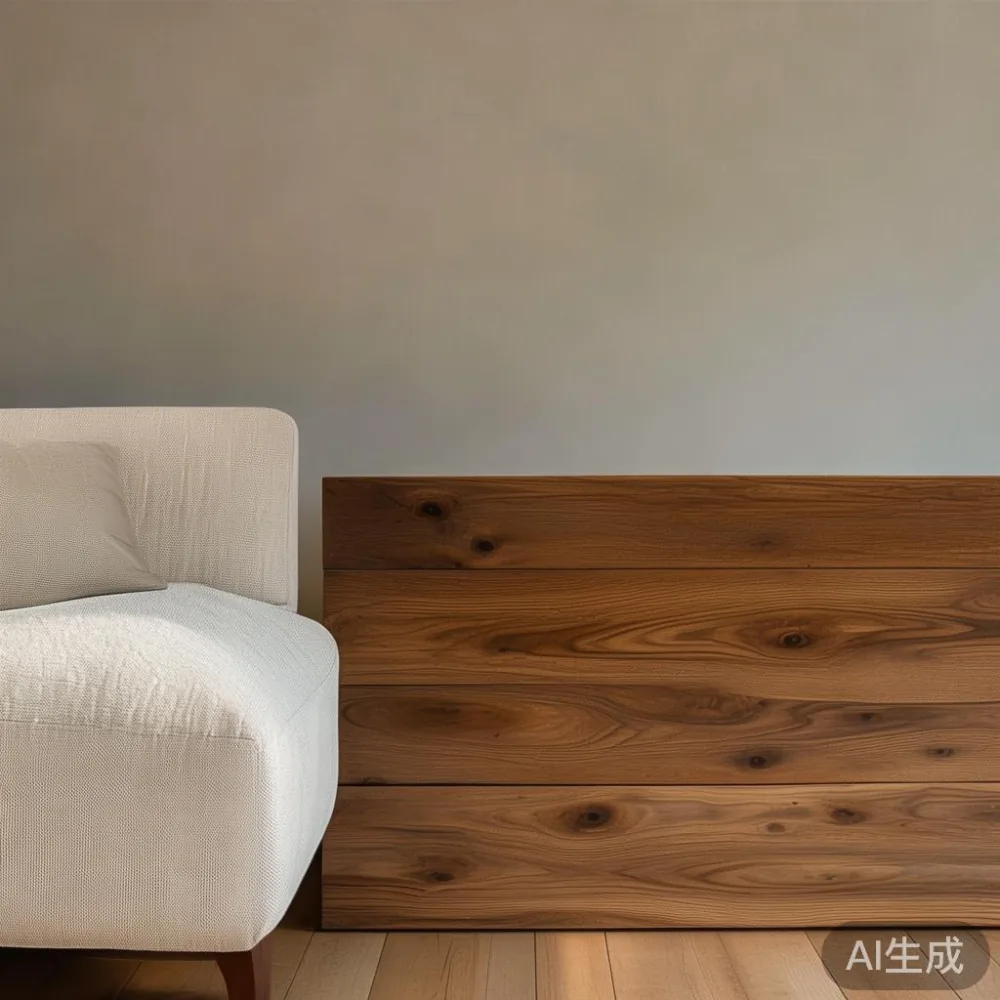
For this exercise, assume a queen bed measuring 152 cm wide by 203 cm long, with a 115 cm headboard and a 30 cm high platform base. The packed carton is approximately 160 cm by 110 cm by 35 cm, making it manageable for many Singapore lifts and corridors, although the building’s management rules still apply. The solid wood example weighs 74 kg; the veneered example weighs 51 kg. Those figures affect delivery and assembly more than most buyers expect.
A queen mattress normally requires an internal 153 cm by 203 cm space. Allowing 1 cm of tolerance on each side gives a frame width of 155 cm, not 152 cm. A bed frame labelled “queen” should therefore be checked against the actual mattress, rather than relying only on the product category.
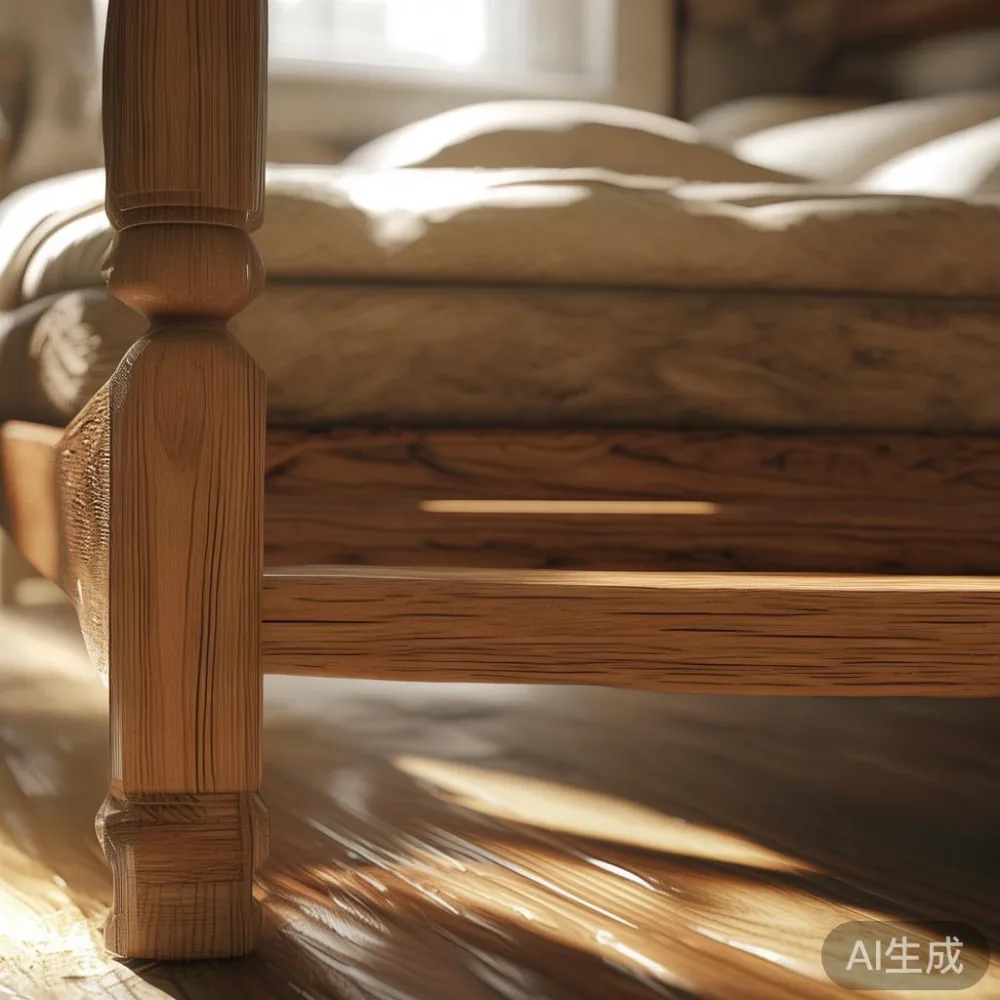
Veneer is a thin layer of real wood bonded to a particleboard or engineered-wood core. A high-grade veneer can look convincing, especially beneath a consistent finish. Solid wood uses the material through the visible rails, headboard, and legs. That difference affects how scratches, swelling, and colour changes appear over time.
What do the two bed frames cost in Singapore?
Our comparison starts with a S$1,290 solid wood bed frame before GST and a S$790 veneered bed frame before GST. With 9% GST, those become S$1,406.10 and S$861.10. The solid option carries a S$645.10 difference at checkout.
| Cost item | Veneered frame | Solid wood frame |
|---|---|---|
| Bed frame before GST | S$790 | S$1,290 |
| GST at 9% | S$71.10 | S$116.10 |
| Delivery to a Singapore home | S$70 | S$90 |
| Carry-in and assembly allowance | S$60 | S$90 |
| Estimated five-year care cost | S$180 | S$120 |
| Expected refinishing provision | S$0 | S$150 |
| Five-year cash cost | S$1,241.10 | S$1,802.10 |
The delivery allowance reflects the extra handling time associated with a 74 kg solid wood frame compared with a 51 kg veneered one. It also allows for a short carry from the lift lobby to the bedroom. The two figures are planning allowances, not guaranteed quotations.
Over 60 months, the veneered example costs about S$20.69 per month. The solid wood example costs about S$30.04 per month. The monthly difference is S$9.35, or S$561 across five years before any resale or repair benefit is counted.
If the buyer uses the frame for seven years rather than five, the figures need to be reconsidered. A quality solid wood frame may be refinished rather than replaced, while a damaged veneered face may be harder to repair invisibly. That is a potential advantage, but it is not a guaranteed saving.
How do everyday scratches and humidity change the comparison?
Solid wood tends to show the character of use more openly. A light scratch can be touched up locally, but the repaired area may not match the surrounding surface exactly. Veneer can conceal small marks better when its printed or sliced face remains intact. The weak point appears when the veneer is cut through, exposing the core beneath.
Singapore’s humidity makes finish care important. A relative-humidity range of roughly 40% to 65% is sensible for wood furniture, although no timber is completely immune to movement. Bedroom air-conditioning helps, but direct placement beside a sunlit window can cause fading. I would place either frame at least 30 cm from a window if possible, especially with pale oak or walnut finishes.
Last month, I visited a Bedok apartment where a solid wood bed frame had been exposed to west-facing afternoon sun for 18 months. The surface had faded by roughly one shade along the outer rail. The owner had wiped it monthly with a lightly damp cloth and kept it away from a radiator. A six-minute finish consultation in the bedroom would have prevented much of the uneven colour.
For routine cleaning, use a soft microfibre cloth, barely damp with water, and dry immediately. Avoid silicone sprays, acetone, and furniture polish with heavy solvent content. Test any product on a concealed 5 cm area and wait 24 hours.
Maintenance spending is not evenly distributed. The veneered example assumes S$180 over five years for joint adjustments, a replacement slat, and one colour-repair product. The solid wood example assumes S$120 for oiling and minor repairs, plus a S$150 refinishing provision. Those are estimates for normal use, not damage from flooding or impact.
What are the repair and refinishing differences after five years?
A bed frame fails through its moving parts as much as its visible timber. Slats can squeak, centre supports can loosen, and screws can work loose as timber responds to seasonal movement. Both examples include one S$45 tightening and adjustment visit during the five-year period.
For the solid wood frame, a scratch of less than 2 cm deep can often be filled and refinished locally. Larger surface wear may justify a complete refinishing service. MIDHILL offers lifetime refinishing for qualifying solid wood pieces, which can reduce the uncertainty around colour restoration. The term “lifetime” refers to the service commitment for eligible products, not to a promise that timber will never change.
Veneer repairs depend entirely on the sheet construction. A small chip can sometimes be filled with matching compound and stain. If the printed face tears across a 10 cm area, a repair can become conspicuous. Replaceable veneer panels can improve this outcome, but they add cost and may not match a hand-finished surface.
Hidden hardware deserves attention in both cases. Solid wood joints may remain strong when screws loosen because the surrounding fibres provide grip. Particleboard joints can lose their hold if the board is repeatedly disturbed. This makes solid wood more practical for frequent adjustments, although proper assembly remains necessary.
Each frame should have a central support rail and support legs, not rely on the outer rails alone. For a queen mattress, no more than two mattress support edges should contact the frame. A slat spacing of roughly 7 cm to 10 cm offers support without excessive mattress movement. The mattress itself should have a breathable cover and suitable edge support.
Which frame suits HDB flats, condos, and compact rooms better?
Weight is the clearest practical difference in a high-rise home. A 51 kg veneered frame is easier for two people to carry and manoeuvre than a 74 kg solid wood frame. It may also be more suitable for older lifts with an internal door width near 80 cm. Solid wood is not automatically inappropriate in a condo; it simply needs a delivery plan.
Before purchase, ask for the packed dimensions and maximum carton weight. For an HDB flat, check the lift’s door width and internal depth, then compare them with the packed length of 160 cm. If the frame cannot enter the lift upright, it may fit diagonally or require partial assembly outside the flat. Management rules should be checked before the delivery date.
Corridor turns can reduce the usable width further. A 90 cm corridor may accept a 110 cm wide carton at an angle, but skirting boards, fire doors, and handles can make the route tighter. Bed frame delivery cannot be separated safely from room access.
French light luxury often leans toward pale oak, walnut, curved edges, and restrained profiles. Those details do not require a solid wood core, but a real veneer with a durable finish can present the intended appearance. Post-modern light luxury may use warmer timber tones and simple geometric forms. In either style, the material should be described accurately rather than represented as solid timber when it is not.
Is a solid wood bed frame worth the higher five-year cost?
For the assumed queen model, the solid wood frame costs S$561 more over five years. That premium buys a heavier structure, visible real wood in major surfaces, and more practical repair options. It may also appeal to buyers who value timber grain, patina, and long-term refinishing.
The veneered frame makes more sense when the budget is fixed, the frame will stay in a dry bedroom, and the household accepts changing surface appearance over time. Its lighter 51 kg weight also reduces carrying strain. The lower five-year total of S$1,241.10 is meaningful for first-time Singapore homeowners furnishing a new HDB flat.
Neither material settles the design question on its own. American bed vs Nordic bed is a style comparison based on proportions and visual weight, not a timber specification. A substantial solid wood frame may suit an American-inspired bedroom, while a slim Scandinavian frame may use veneer to keep handling lighter.
The same care applies to related furniture. A solid wood sofa has different upholstery and frame stresses; a dining table concentrates weight across its top; a wardrobe contains hanging loads; a nightstand handles frequent touch; and a marble table relies on a stable supporting base. Veneer is often reasonable for lighter or decorative applications, while solid wood becomes more attractive where joints, edges, and repairability matter.
For broader room planning, a guide to modern Mid-century modern furniture can help connect wood tone with bed shape and bedside pieces. Current 2026 Mid-century modern furniture references often favour tapered legs, clean lines, and visible timber character. Buyers comparing a solid wood sofa with a solid wood dining table should also consider access routes, not only the finished dimensions.
How should you compare delivery, warranty, and return terms?
Price comparison is only fair when the commercial terms are comparable. The figures here assume delivery within Singapore, assembly, and no damage charge caused by inadequate access planning. For international design references, under 2000 Italian light luxury furniture is a separate market category and should not be used as a direct price benchmark for a locally made bed frame.
MIDHILL provides a 10-year structural warranty on qualifying furniture, 14-day returns, and free shipping on orders over US$350. For a Singapore buyer, the final delivery charge should still be confirmed in SGD. The structural warranty concerns structural integrity; it is not the same as coverage for accidental scratches, water exposure, or finish changes.
Photograph the delivered bed frame before assembly. Record the carton condition, inspect every visible rail and slat, and keep the packaging for 7 days if assembly is delayed. Check that the mattress sits centrally, that the centre rail contacts the floor, and that the headboard is secured to the bed frame brackets.
European-style storage can also be considered, but the same material logic applies. A practical guide to how to choose European light luxury wardrobe should cover internal dimensions, hanging space, and delivery access as well as finish. The presence of a wardrobe in the same project should not distract from measuring the bedroom’s lift route and clearances.
Style guides for the best Minimalist sofa for 2026 may influence the colour of a matching bed frame, but they do not replace a timber inspection. Look for continuous grain, solid-wood rails where advertised, clean joinery, and hardware that can be tightened.
What should a Singapore buyer inspect before paying?
Ask the seller for a material breakdown by component. “Solid wood” may apply only to the headboard and legs while the slats or side rails use another material. “Veneer” should identify the core material, veneer thickness, backing method, and finish type. For a five-year comparison, a 0.6 mm or thicker sliced veneer generally offers more repair potential than a very thin paper or synthetic facing, though edge treatment still matters.
Inspect colour under the bedroom’s lighting, not only in a showroom. Move a sample board if a remote consultation is possible. A frame that looks warm under neutral light may appear grey beside cool-toned walls. For a queen bed frame, leave at least 5 cm between the side rail and a nightstand when space allows, and allow around 60 cm of clear access on at least one side.
Check the delivery estimate in business days and ask whether the stated period includes assembly. Allow 7 to 14 days for a made-to-order finish, while stock models may arrive sooner. A move-in date should never be promised from a photograph alone.
For the example used here, the five-year cash totals are S$1,241.10 for veneer and S$1,802.10 for solid wood. A buyer who places greater value on repairability, refinishing, and the feel of real timber may prefer the S$561 premium. A buyer focused on immediate affordability, lighter handling, and stable appearance in a carefully controlled bedroom may find the veneered frame more practical.
Whichever route is chosen, measure the mattress, lift, corridor, and turning space before ordering. The most suitable bed frame is not simply the one with the strongest material label; it is the one that fits the home, suits the daily routine, and can remain useful after year five.